


Advocacy win: MSI Bangladesh’s five-year effort secures government strategy to reach rural communities
December 10, 2025
For the first time, the Bangladesh Ministry of Health has approved a family planning strategy to expand family planning access to remote areas across the country.
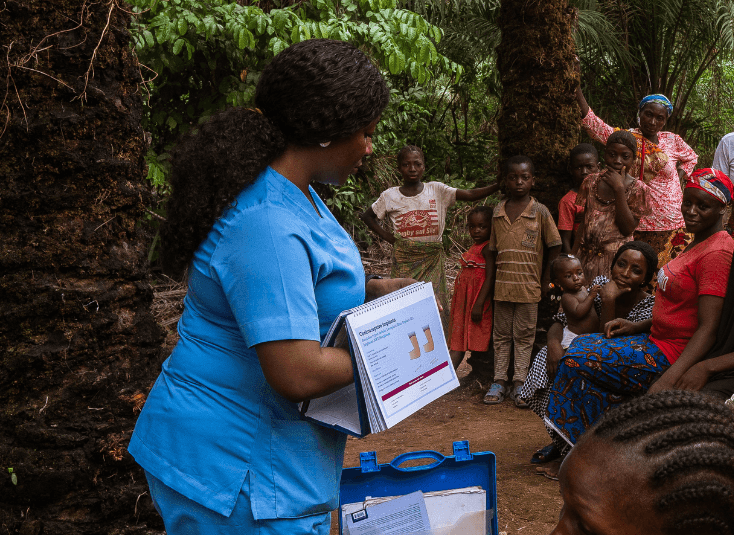
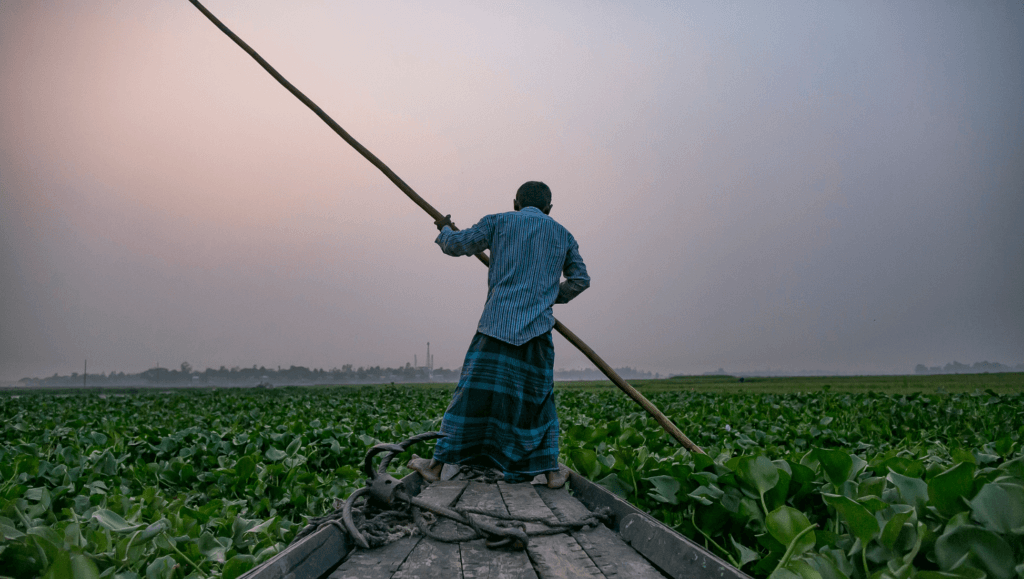
This strategy marks a significant departure from past practices by permitting roving teams, boat clinics, mobile vans, and community depots. It also permits the provision of long-acting contraceptive methods through outreach programs and the use of trained non-clinical providers in underserved regions. This marks a shift in government strategy, as for decades they have applied a uniform, target-driven model that overlooked regional socio-economic and cultural dynamics. This led to a high unmet need for contraception, health system weaknesses, and contributed to inequality.
The government recognised that a uniform approach is not the most effective way of fulfilling unmet needs.
MSI Bangladesh advocated for five years for this new strategy, and helped it take shape. The process took so long that the decision-maker position (the Director General for Family Planning) rotated several times, and the team had to build a new strategic relationship with the incoming director to advance the policy. Based on MSI’s experience, MSI Bangladesh understood the need to scale up services while also ensuring sustainability and government ownership. They played a critical role in shaping and influencing the strategy, such as:
- Bringing field-level evidence into national policy discussions.
- Coordinating interviews with 12 district-level family planning officers to represent the experiences of marginalised populations.
- Leading the initial consultation meetings and developing questions to be included in the consultation questionnaire.
- Sharing proven service delivery models tailored to hard-to-reach contexts.
- Engaging with senior leadership in the Ministry of Health and with development partners to position contraceptive access as a rights-based, equity and inclusion issue.
- Leading the final validation meeting in 2025.
The new strategy will enable the scaling of NGO-led models, improve public and private partnerships and reduce donor dependency. It will also improve the opportunities and career paths for providers in hard-to-reach areas, as previously poor advancement prospects were a large barrier to retaining providers in these remote villages. It also creates opportunity for increased engagement for communities, men, and youth in culturally sensitive ways.
For MSI Bangladesh this creates significant opportunities to strengthen collaboration with the government and advocate for greater budget allocations for family planning service delivery.