As one of the most cost-effective charities working in global healthcare, MSI ensures every investment is directed towards high-impact services. Our models are strategic, evidence-based, focused on equitable services, and implemented by passionate local teams that deliver at scale with limited overhead.
MSI United States (MSI US) is a 501(c)3 non-profit organization based in Washington, D.C., supporting MSI Reproductive Choices’ work around the world offering individuals and organizations in the United States the opportunity to help vulnerable women and girls control their own futures through access to contraception and safe abortion.
When women and girls make decisions about their bodies and their futures, entire societies benefit. Find out more about how you can make a measurable impact for women and girls.
MSI Reproductive Choices provides contraception, safe abortion, and related sexual and reproductive health services in 36 countries. Our 9000 team members – rooted in their local communities across six continents – bring reproductive healthcare to people in remote places who’ve never had access before, unlocking opportunities for women and girls. MSI United States supports MSI Reproductive Choices’ work worldwide, allowing donors in the United States make tax-deductible gifts thato help women and girls control their own futures.
MSI Reproductive Choices works in 36 countries on six continents around the world. You can see the full list—and explore our impact in each country—here. We believe that everyone should have access to reproductive healthcare, no matter where they live, so we travel to rural and remote communities to deliver choice in places with no other options for these services. 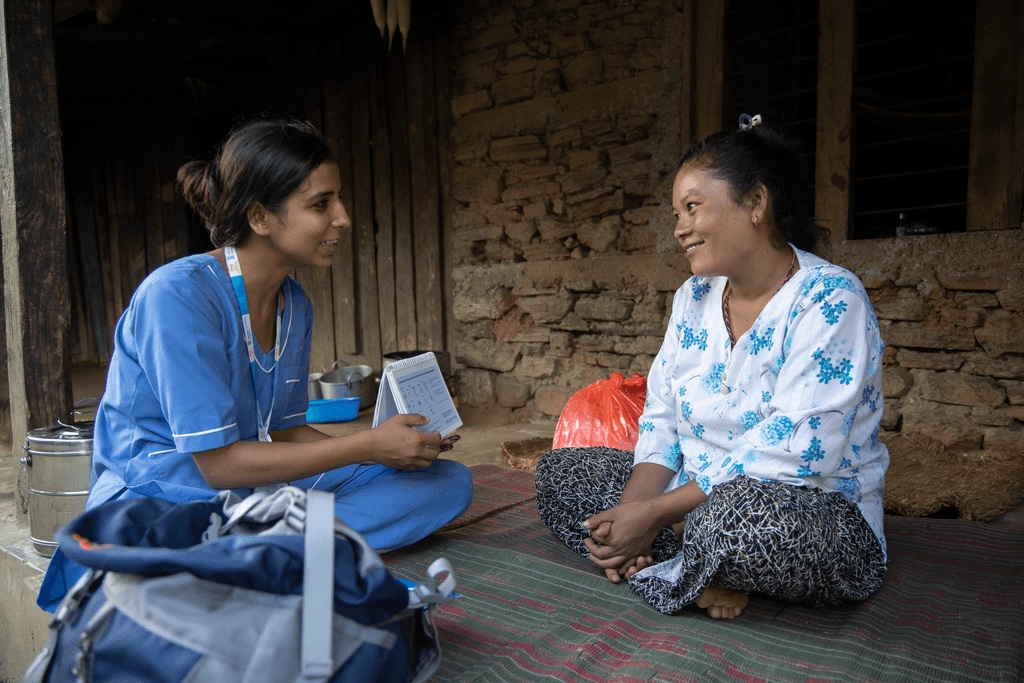
MSI Reproductive Choices is focused on reaching the people and communities who face the greatest barriers to reproductive healthcare. We aim to reach what we call “high-impact clients,” people facing at least one major barrier to accessing care. This includes adolescents, who make up one in six of our clients; people living in multidimensional poverty; people not previously using a modern method of contraception; and clients with no knowledge of an alternative provider in their area. 82% of MSI clients are high-impact clients. 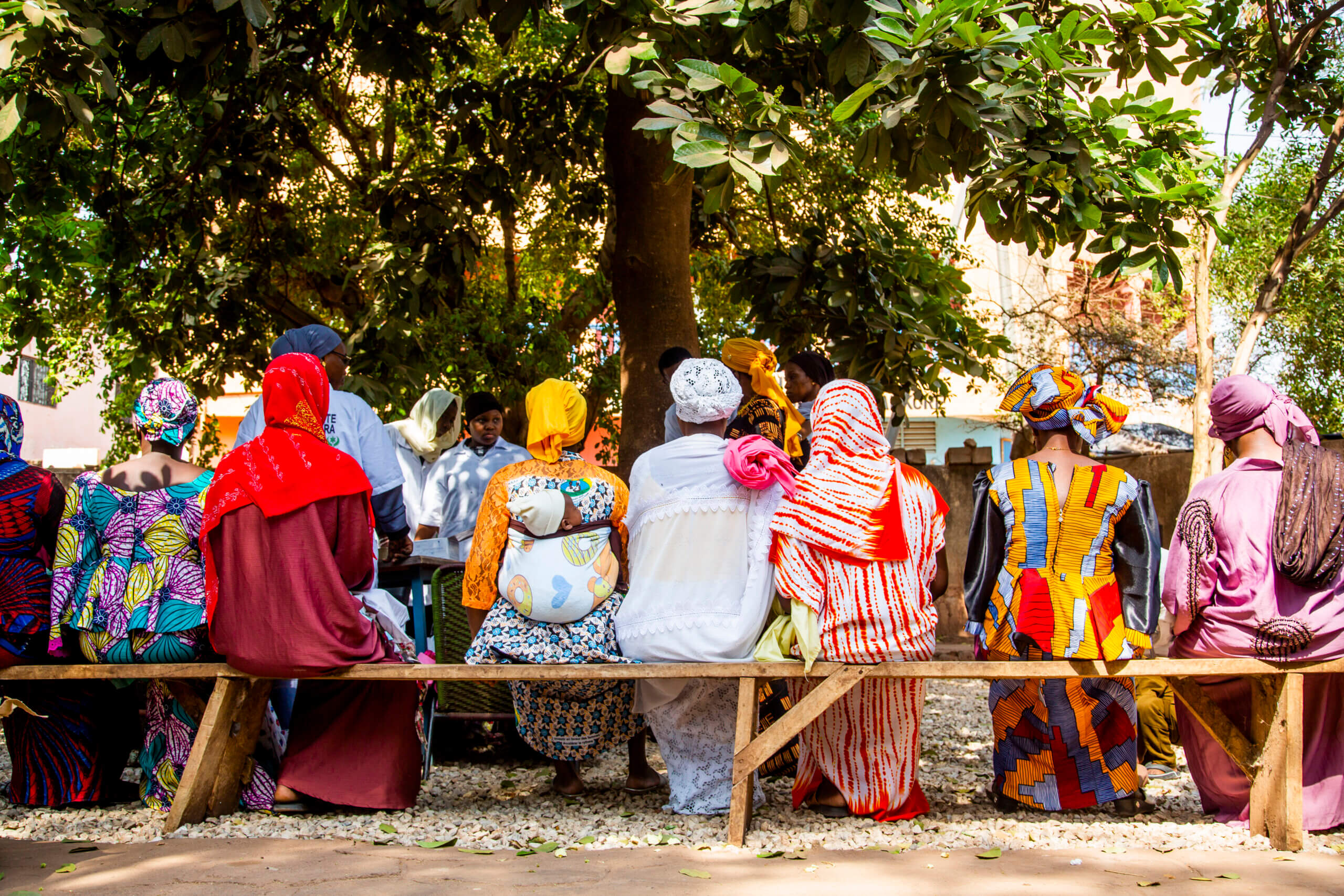
Family planning enables individuals and couples to determine the number and spacing of their children through access to accurate information, high-quality reproductive healthcare, and a range of contraceptive options. Hundreds of millions of women worldwide still lack access to these modern contraceptive methods, such as contraceptive pills, implants, IUDs, and contraceptive injections. 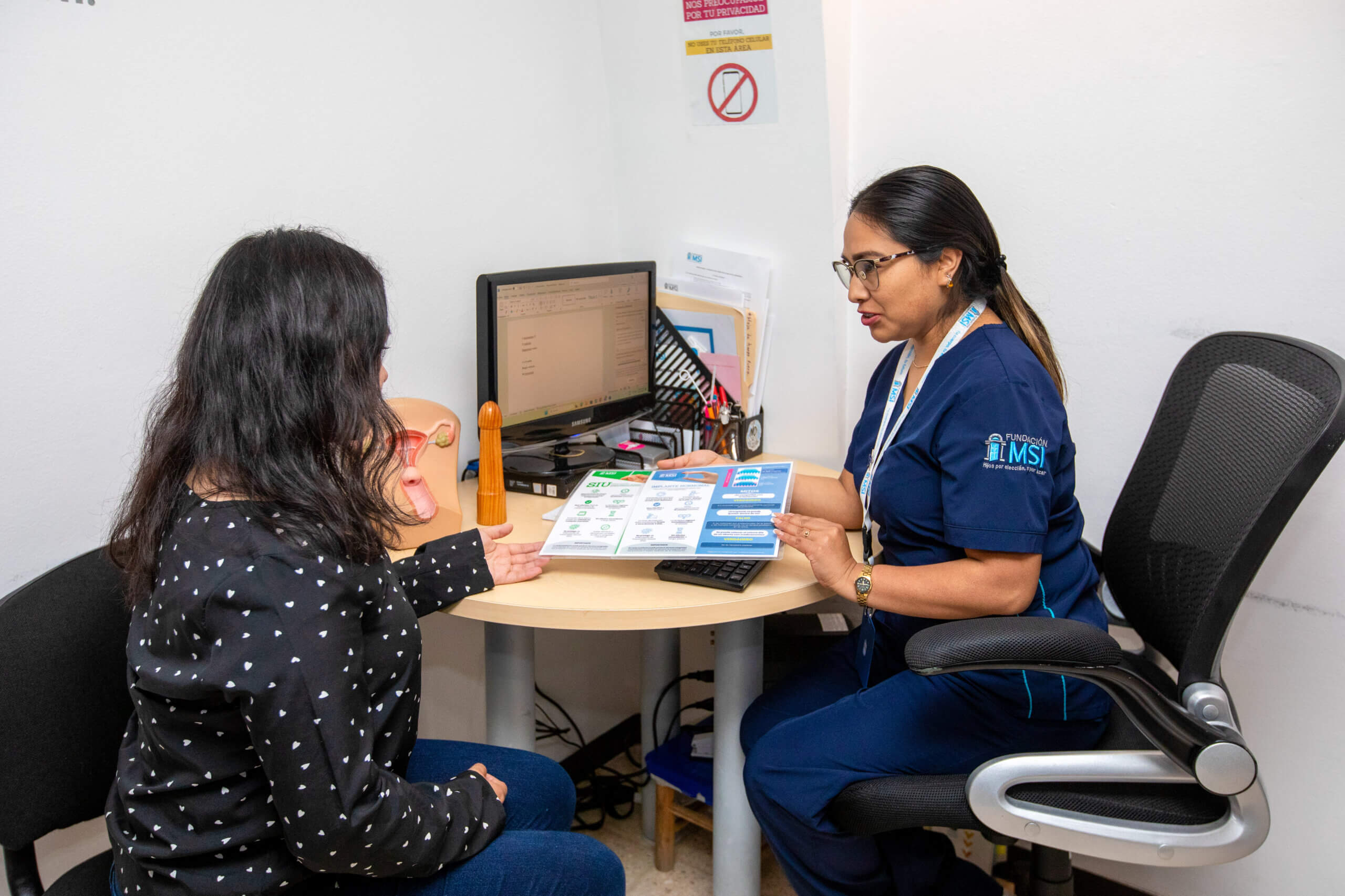
Without family planning, millions of women each year experience unintended pregnancies. The consequences can be severe: limited educational opportunities, reduced economic security, increased health risks, and perpetuated cycles of poverty.
When women have access to reproductive healthcare, they can avoid the health risks of an unintended pregnancy and focus on pursuing their goals in life, whether that’s caring for the children they already have, pursuing education or a career. 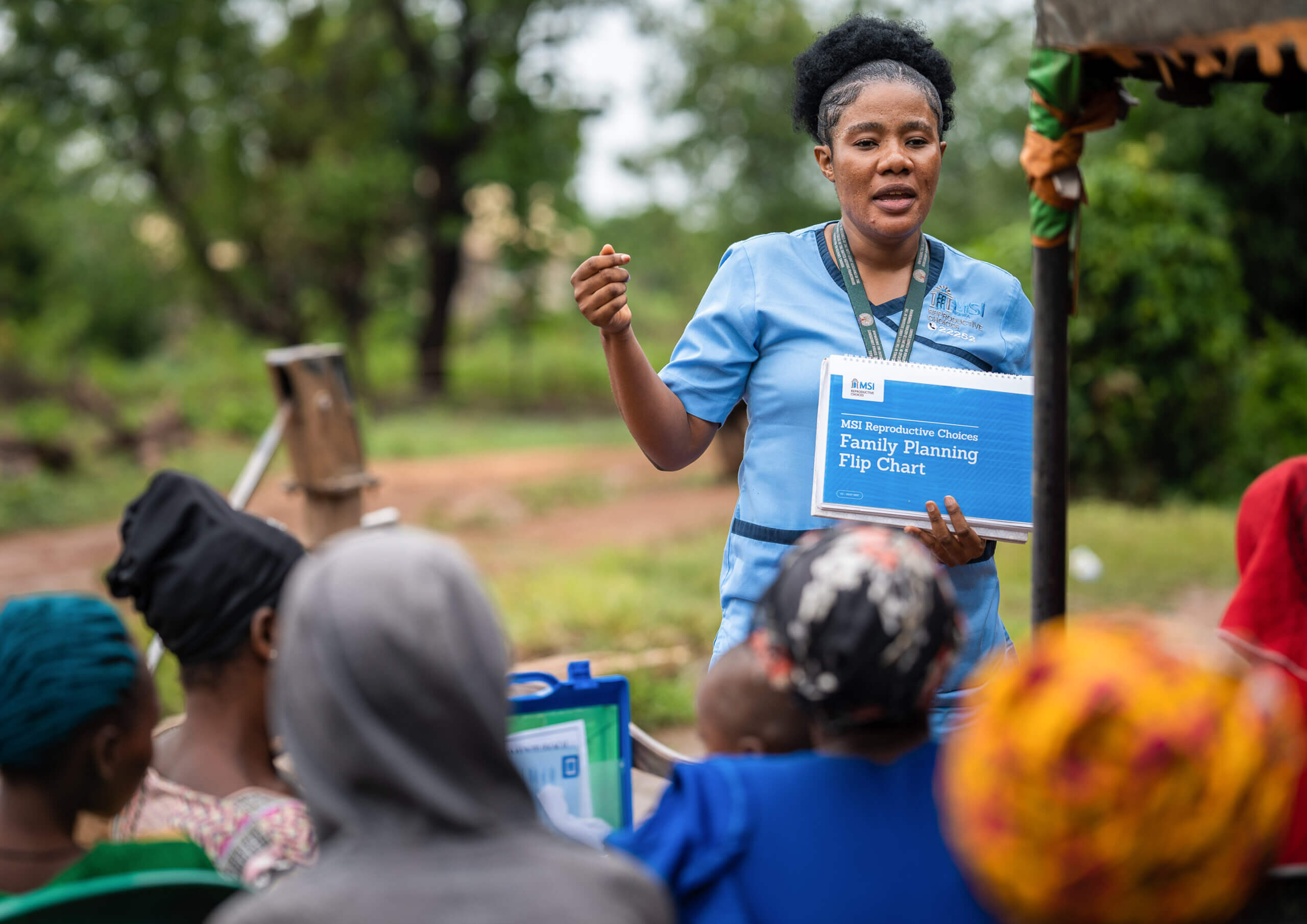
We cannot have gender equality without reproductive rights. When a woman has the ability to choose if and when she has children, she gains power over her life.
Family planning transforms the world for women and girls, giving them the time and opportunities that were historically only accessed by men. They gain ability to finish their education, embark on careers, and ultimately decide their own futures. 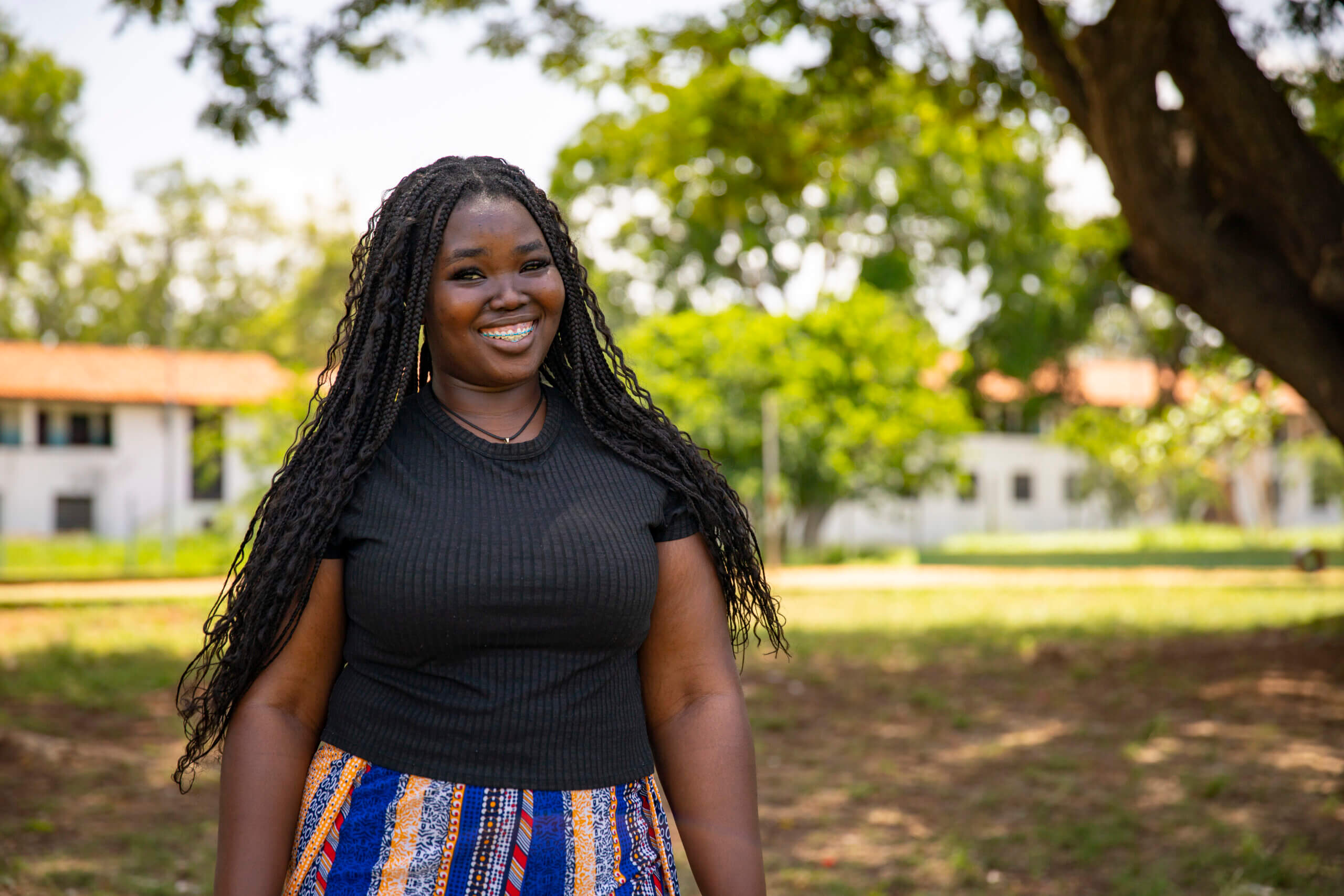
Every year, in sub-Saharan Africa, up to 4 million girls drop out of school or are excluded due to unintended pregnancy. Analysis from MSI Reproductive Choices found that if adolescents had better access to sexual and reproductive healthcare and could avoid unintended pregnancy, millions more girls would remain in school every year. 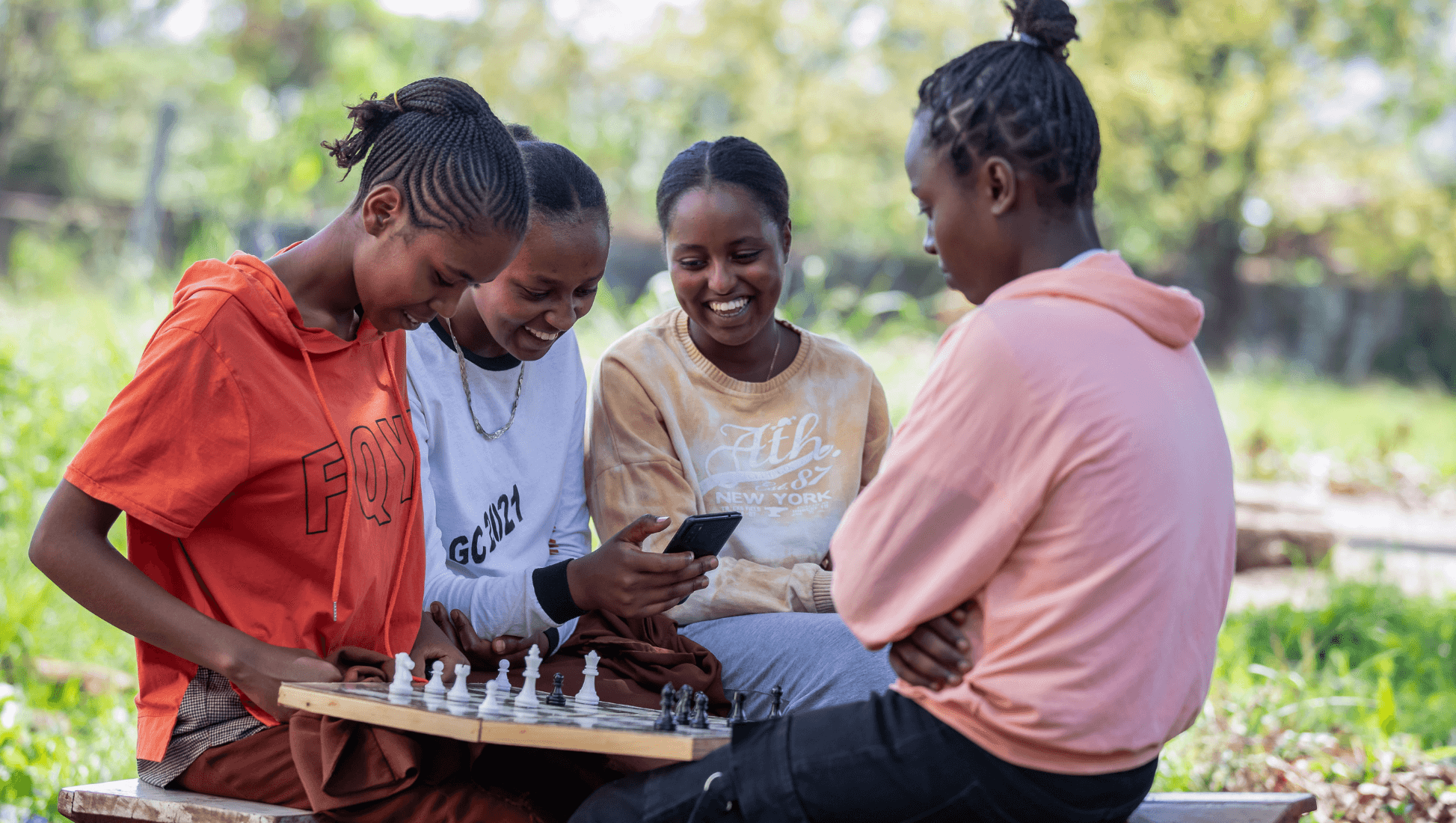
In times of humanitarian crisis, such as natural disasters or conflict, the need for reproductive healthcare rises, but access falls. Without healthcare like contraception, emergency contraception, and safe abortion, women are at higher risk of an unintended pregnancy. This puts their lives at risk: 60% of maternal deaths occur in fragile settings. MSI’s local teams respond when a crisis hits, often as the only organization providing reproductive healthcare as part of the humanitarian response. 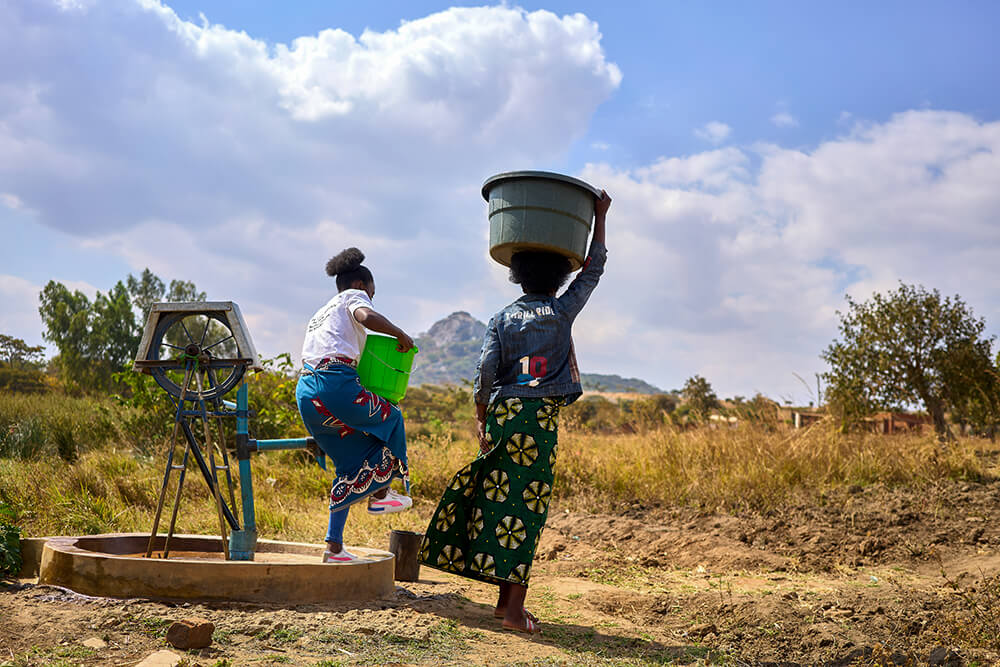
Evidence shows that women and girls are hardest hit by climate change, with impacts on women’s health, incomes and safety. Facing lower incomes and poorer access to food and other resources, the UN has warned that women and girls will suffer for longer and more severely from climate shocks and disasters.
Many women and families are already choosing to limit or space birth in response to the effects of the climate crisis. Women and girls need contraception so they can avoid unintended pregnancy while they navigate challenges like natural disasters, displacement, and lack of food sources. 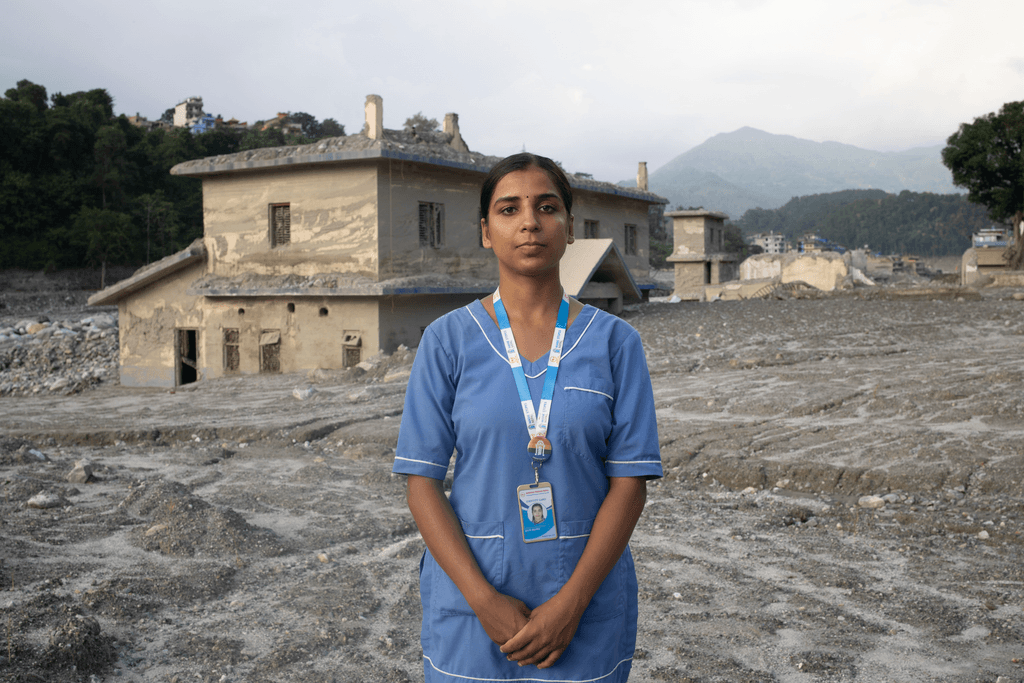
The best way you can support women and girls around the world is by making a monthly gift. When you make a monthly gift, you become part of our Partners for Choice, a community of committed donors who are transforming women’s lives around the world.
You can receive regular updates about our work around the world by signing up for our email list. We also post powerful stories and the latest data on our blog.