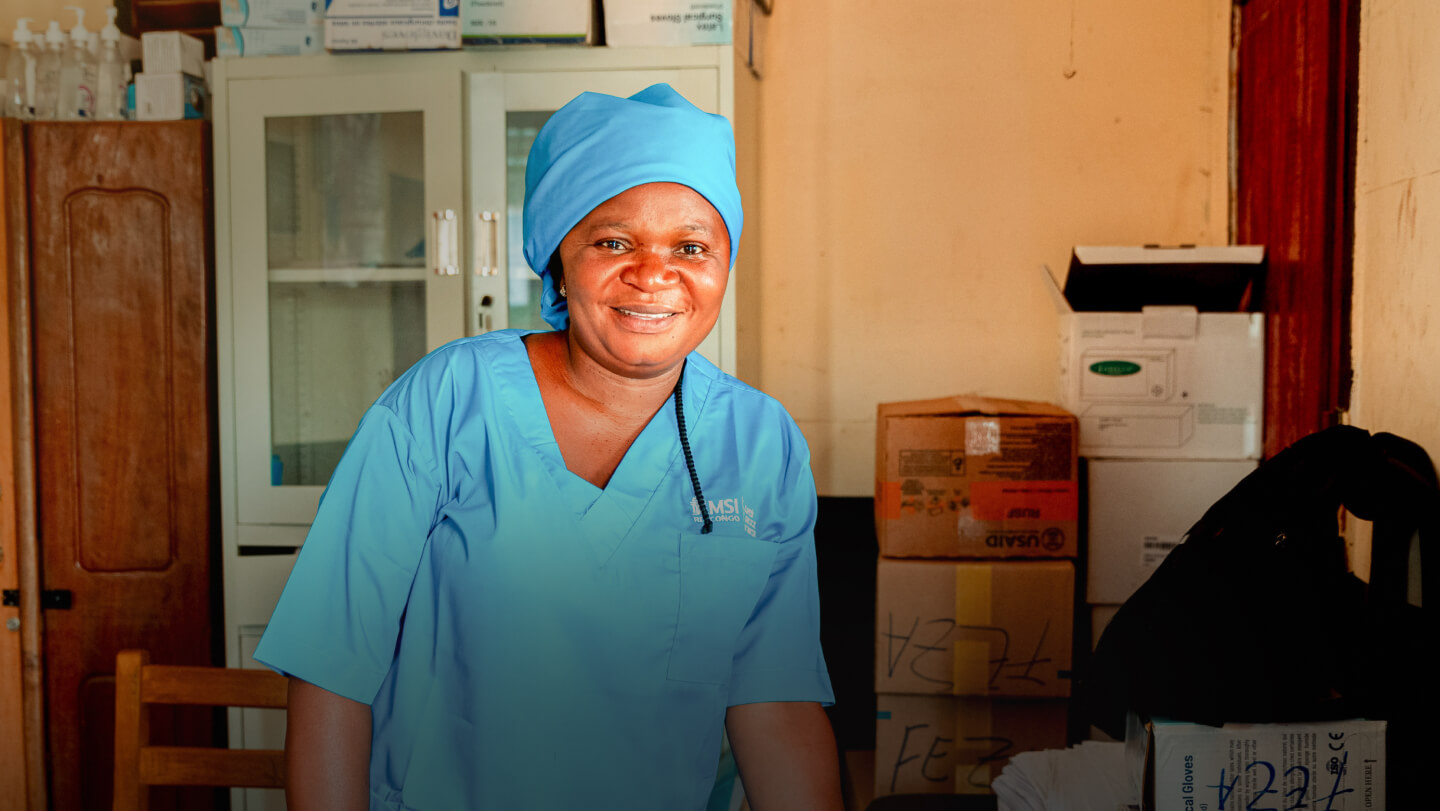
The dismantling of USAID and other foreign funding cuts in 2025 triggered severe disruptions in global reproductive healthcare, cutting off essential services for millions of women and girls as demand continues to rise. The sudden loss of funding led to stock-outs, clinic closures, and fractured supply chains. As the largest frontline provider working across 36 countries, MSI Reproductive Choices has been uniquely positioned to respond rapidly to fill gaps, sustain services, and support governments in stabilizing health systems.
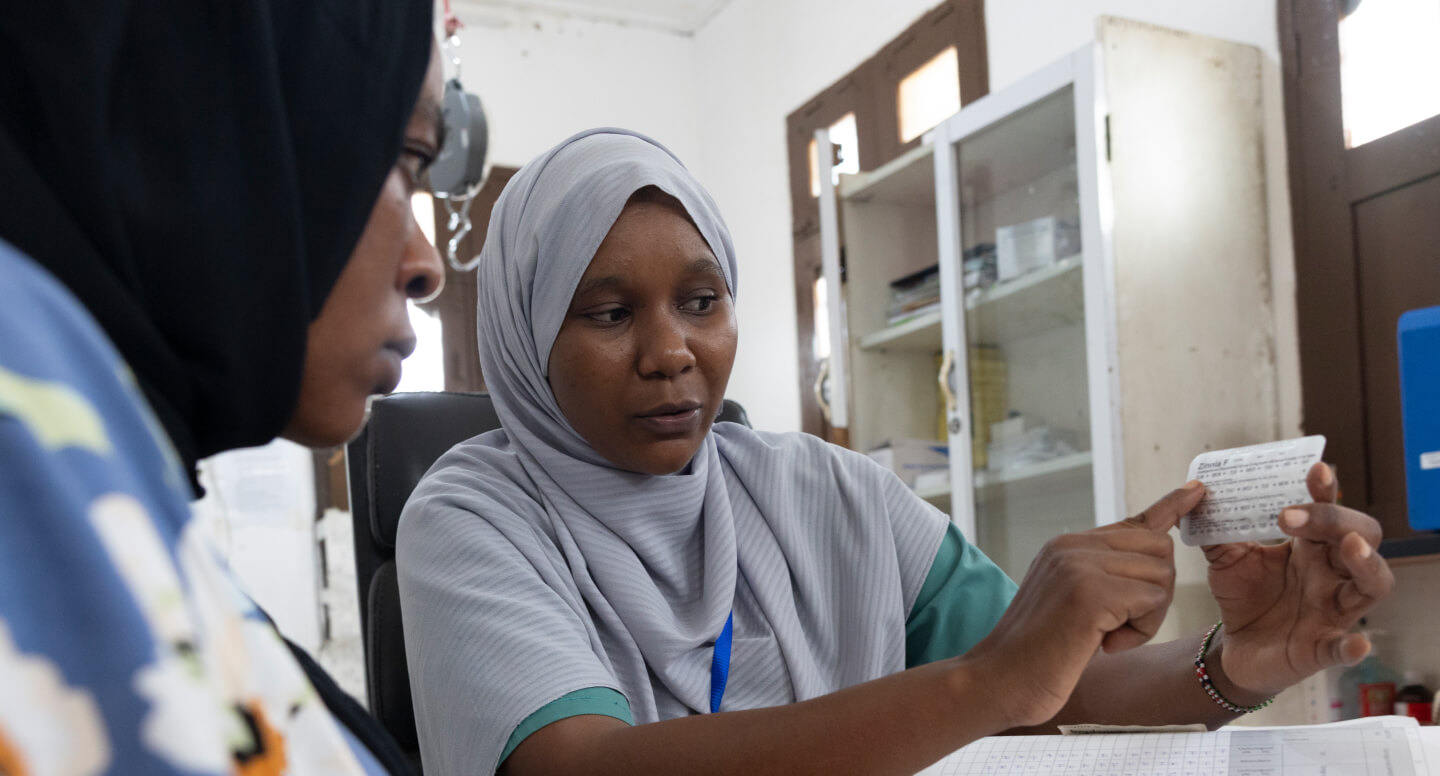
Contraceptive shortages are limiting women’s and girls’ ability to control their bodies and futures. When contraception is unavailable, unintended pregnancies increase, with lasting consequences for health, education, and economic security – especially for adolescent girls. The impact has been most acute in Zambia, where MSI has faced the most severe shortages.
Through the generosity of our donors, MSI made the critical decision to direct nearly 25% of the Choice Emergency Fund ($1.4 million in funding) to purchase lifesaving birth control including 566,000 IUDs and 12,600 implants. These supplies will be provided to our clients through outreach, in public and private facilitates – meeting women where they are.
Even in countries not directly impacted by USAID funding cuts, ripple effects disrupted services. When USAID cut funds to the UNFPA, there were immediate consequences in Madagascar. UNFPA was forced to cancel a grant to MSI that supported six mobile outreach teams and 24 rural healthcare providers – cutting off lifesaving reproductive health care for women and girls in some of the country’s most remote communities.
To respond, our Madagascar team turned to the Choice Emergency Fund for immediate coverage. As a result, our outreach teams and providers reached more than 33,000 women and girls in 2025, preventing and estimated 60,500 unintended pregnancies and averting 60 maternal deaths.
In 2025, MSI Pakistan learned that a large UK government funded program, which had been supported since 2017, was being forced to close two years earlier than originally planned. This news came as a huge blow to MSI – the program funded a network of 350 private sector providers together as well as 17 outreach teams, delivering unprecedented impact to underserved women and girls. In 2024, of our clients in Pakistan, 78% knew of no other provider, and 68% had no alternative access to the services we provided.
In 2025, the Choice Emergency Fund supported MSI Pakistan’s network of private providers (known locally as Suraj) to expand access to affordable, high-quality family planning services. Support enabled the providers to be trained, equipped and accredited to offer services to low- and middle-income clients in areas with high unmet need. Last year, the Suraj network delivered more than 500,000 sexual and reproductive healthcare services.
Over the last 2 years, MSI Sierra Leone, known locally as “de mammy for welbodi” or “the mother of health” has been forced to reduce its outreach service model by 40% as a result of increasing donor funding cuts. Funding from the Choice Emergency Fund for Sierra Leone was modest but vital. It ensured five outreach teams serving the most marginalized and remote communities with sexual and reproductive healthcare could continue delivering care while we awaited critical longer-term donor investment. While the funding gap covered only two months of outreach, its impact will be felt for generations to come for the 23,000 women and girls we served during that timeframe.
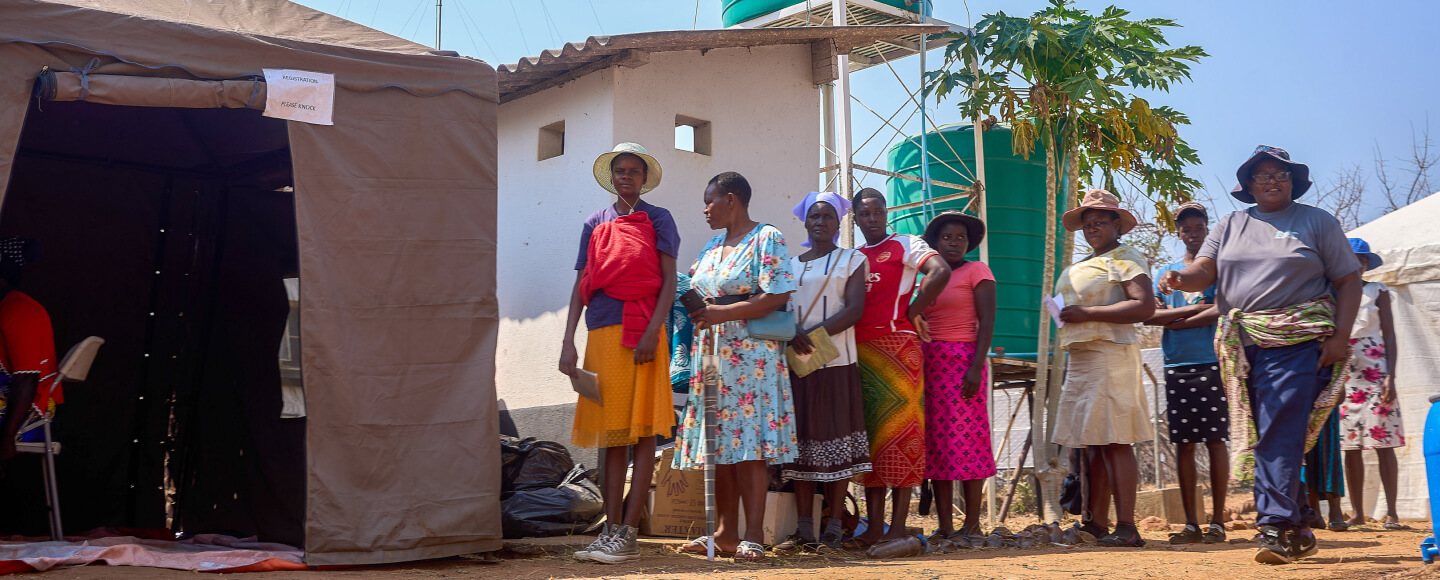
Our doors can stay open in all 36 countries because people like you understand the life-transforming impact of access to choice. With resilience, innovation and your support, we will continue to help women take control of their bodies and lives. We ask you to:
Give Generously. Private funding is crucial to prevent rises in unintended pregnancies, unsafe abortions and related deaths.
Spread the Word. Leverage your networks, advocate for commitments.