For decades, the United States was the backbone of the global family planning supply chain, funding more than one-third of the contraceptives donated to low- and middle-income countries and helping deliver them to even the most remote communities. In 2025, the dismantling of USAID, the millions of dollars of contraception left to spoil in a warehouse in Europe and the abrupt withdrawal of U.S. funding for UNFPA fractured that system. The result is a growing global shortage of contraceptive supplies.
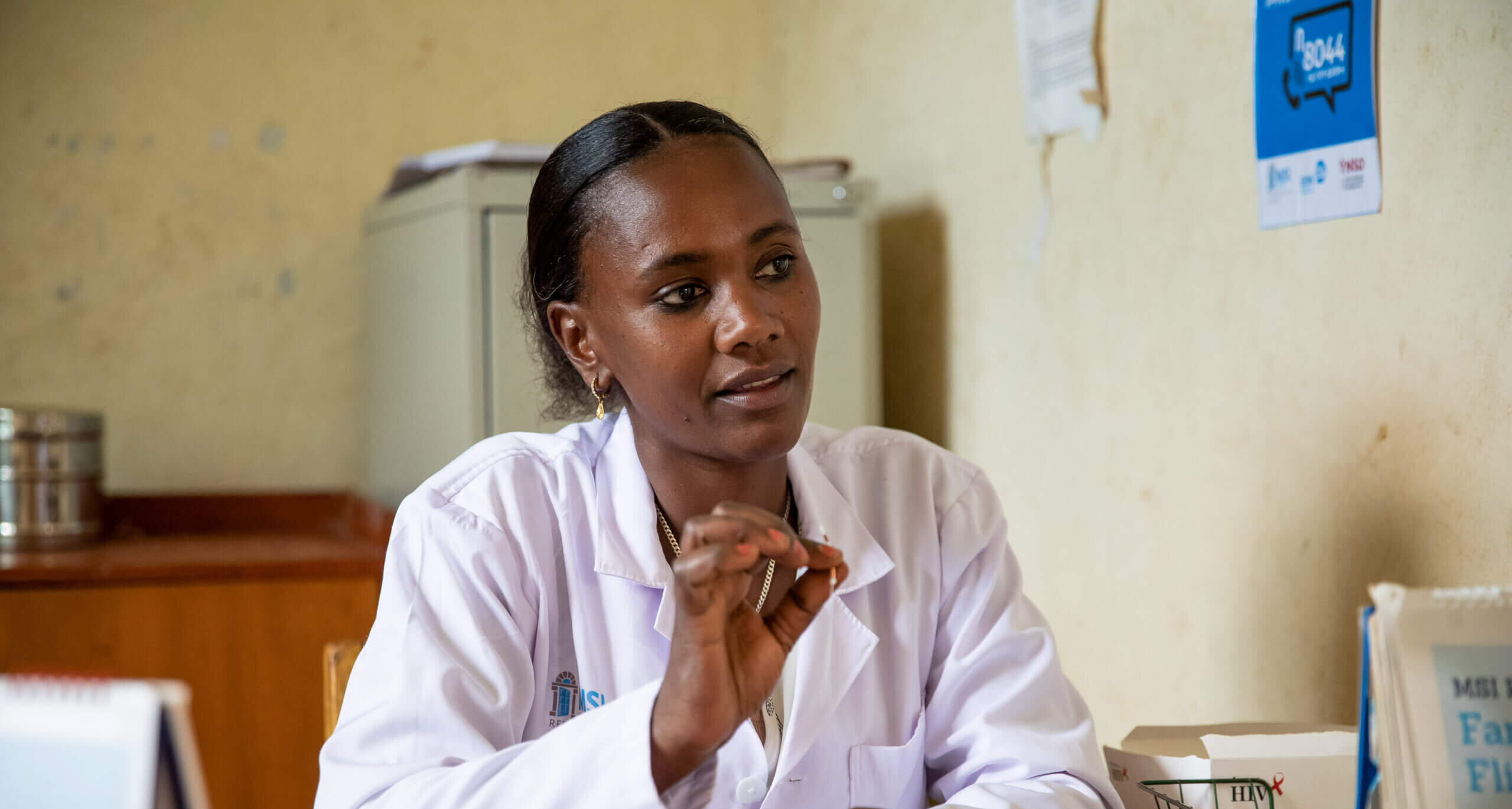
For women and girls, the consequences are immediate. They may be forced to travel farther for care, pay out of pocket for contraception they cannot afford, accept a method that is not right for them, or go without contraception altogether.
MSI Reproductive Choices and our partners are working to address the long-term impact, but we need support now to address current needs. More than half of our country programs report that supply shortages threaten their ability to deliver services. In countries such as Nigeria, Tanzania, Sierra Leone, and the Democratic Republic of the Congo, current supplies are not enough to meet demand through 2026.
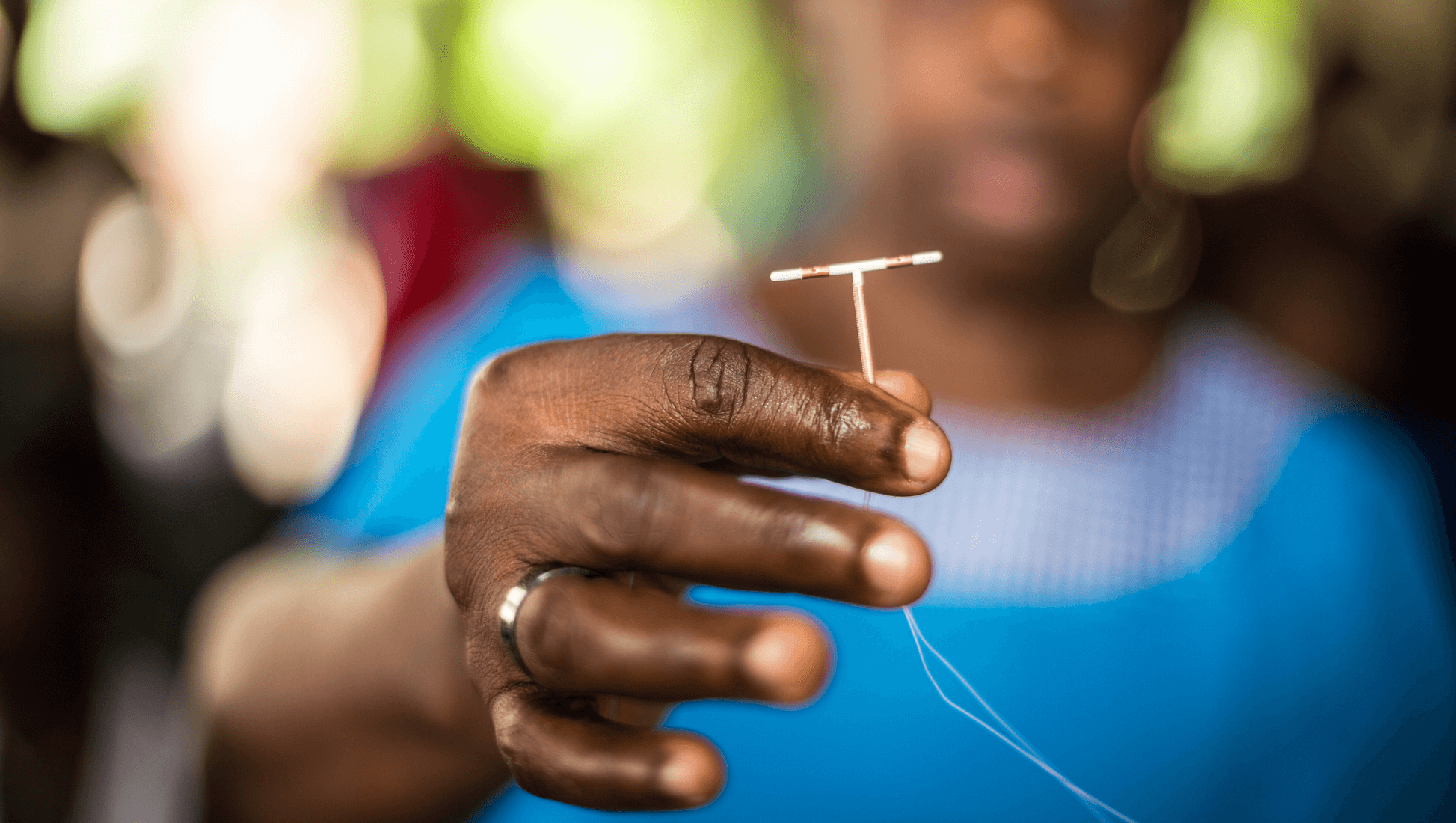
MSI DRC requires nearly 300,000 long-acting methods of birth control, like implants and IUDs, costing almost $2 million, to continue delivering services through the remainder of the year.
MSI Nigeria requires an additional 750,000 methods of birth control, costing a total of $3.5 million, making it increasingly difficult to continue reaching women in remote communities across every corner of the country.
MSI Sierra Leone only has family planning supplies to continue service delivery for another month??, and urgently requires 99,000 birth control methods costing $582,000, risking putting bodily autonomy and choice out of reach for women and girls.
MSI Tanzania critically needs 730,000 birth control methods costing a total of $4.8 million, risking leaving contraceptive needs unmet for the women and girls who need it most.
Products, devices, and medications used to prevent pregnancy. They range from barrier methods like condoms and spermicides to hormonal options like birth control pills and injectables, to long-acting reversible contraceptives (LARCs) like IUDs and arm implants.
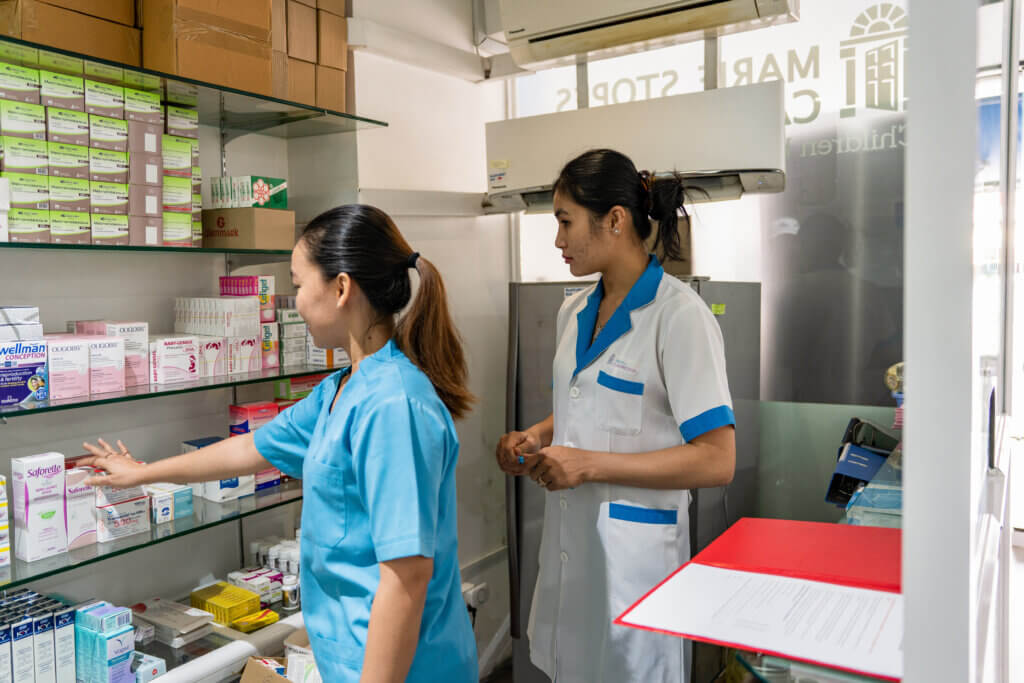
The Global Family Planning Supplies Fund was created to help fill the gap left by the withdrawal of U.S. funding.
Your support will help MSI:
Every shipment of supplies means more women can access the care they need, when they need it.
The global supply chain has been compromised. Together, we can ensure reproductive choice is not.
Make your gift today and help keep contraception within reach for women and girls around the world.