Funding cuts for family planning from US, UK and other European governments have imperiled reproductive choice for millions. US funding cuts for international family planning alone will mean that an estimated 47.6 million women per year won’t have access to the care they need – resulting in 17.1 million unintended pregnancies and 34,000 maternal deaths. In a highly volatile and rapidly shifting global funding landscape, MSI is one of the few—and frequently the only—global health organizations delivering family planning and safe abortion for women and girls in some of the most remote and underserved communities across Africa and Asia.
In these fraught and unpredictable times, reproductive healthcare is often the first casualty of crisis. That’s why we’re calling on not only our dedicated donors and partners, but also new, compassionate supporters to stand with us. MSI created the Choice Emergency Fund to respond swiftly when crises jeopardize access to care, ensuring that no woman is left without safe, services. Your support ensures we can be there whenever and wherever women need us most.
Since the Choice Emergency Fund was launched in February 2025, we’ve raised more than $5.5 million. These funds have helped ensure that women and girls continue to access the reproductive care they desperately want and need, even as foreign aid is slashed and crises multiply.
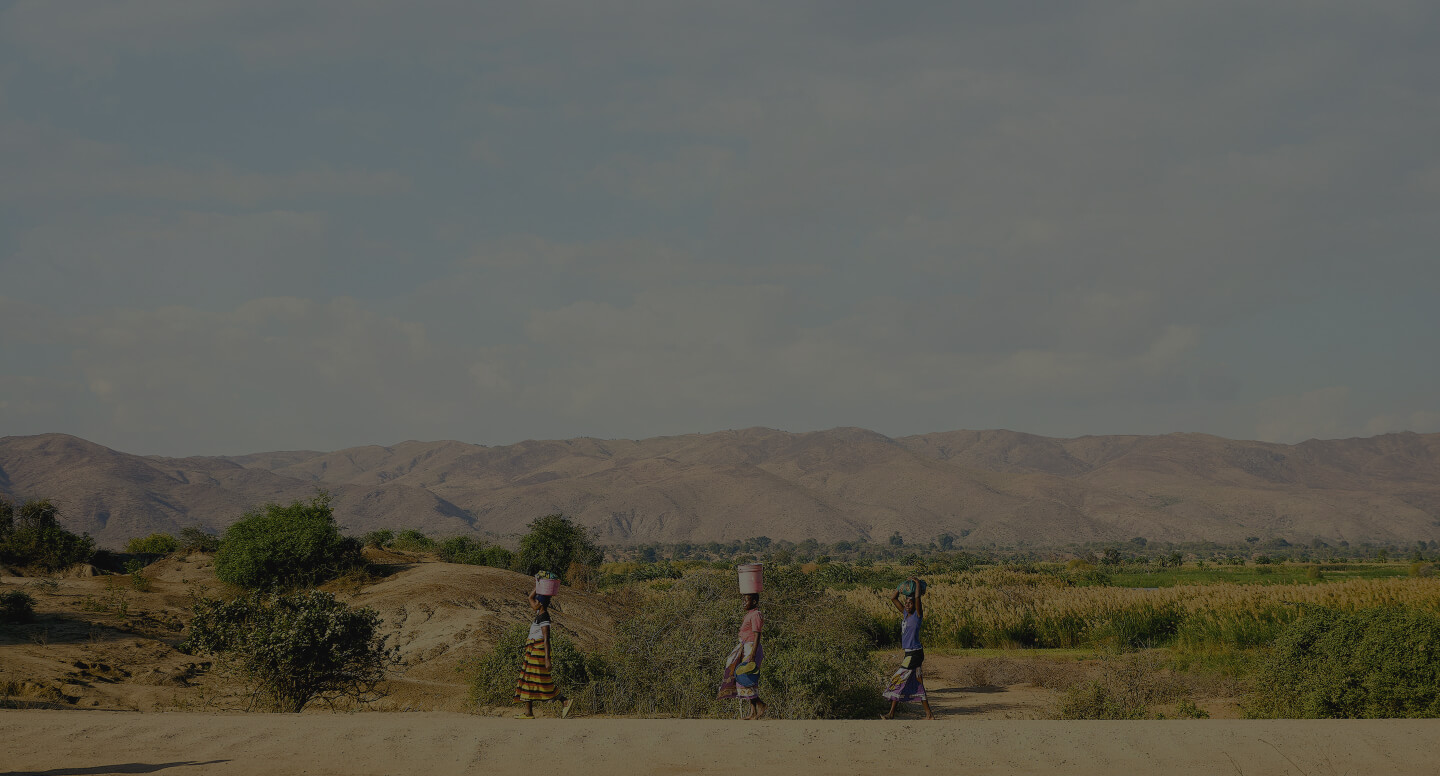
Until this year, USAID supplied over a third of the family planning methods used in global health programs. But when it abruptly pulled back support, countries like Zambia—where USAID had pledged $3.7 million for contraception in 2025—faced immediate and critical shortages. By September, clinics warned that contraceptive implants would run out before year’s end.
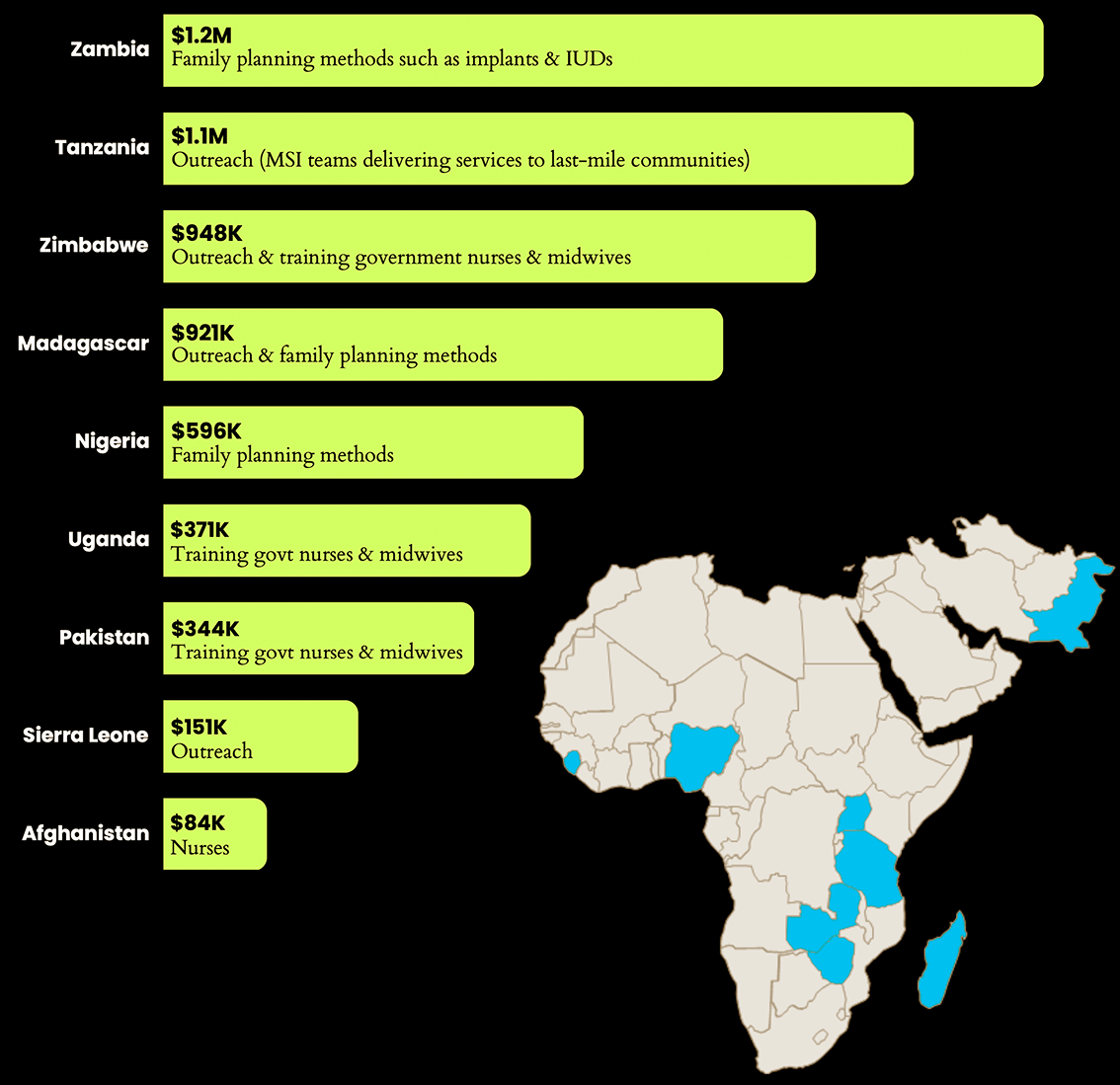
Thanks to the generosity of our donors, MSI mobilized swiftly. Through the Choice Emergency Fund, we directed $1.9 million toward purchasing essential contraceptives—including IUDs and implants—for Madagascar, Nigeria and Zambia. This emergency investment does more than fill a gap—it’s a lifeline for women and girls. It will prevent an estimated 1.55 million unintended pregnancies and save 1,670 lives from maternal deaths.
As of October 2025, the US government is set to destroy $9.7M in contraceptives that are still being held in a warehouse in Belgium despite our offers to purchase and deliver them at no cost. These commodities were intended for the Democratic Republic of the Congo, Kenya, Mali, Tanzania and Zambia– all countries where MSI has programs.
Tanzania’s need for family planning services remains critical. After USAID slashed nearly $80 million from maternal and reproductive health programs, MSI Tanzania stepped up as the primary provider of sexual and reproductive health services.
To respond, MSI used the Choice Emergency Fund to invest $1.1 million to deploy 11 mobile outreach teams, reaching more than 300,000 women and girls with lifesaving care. We targeted regions hit hardest by USAID’s withdrawal—areas where MSI Tanzania now stands as the sole provider of family planning services.
The funding cuts didn’t just disrupt access to birth control—they also derailed efforts to strengthen the health workforce. In Zimbabwe, MSI lost 41% of its donor funding, which forced the shutdown of a vital five-year program that trained nurses and midwives in high-quality reproductive healthcare provision.
To prevent a total collapse, donors to the Choice Emergency Fund stepped in, committing $500,000 to keep 150 public health providers trained and supported through the end of 2025. These providers will go on to serve more than 3 million clients over their careers—delivering dignity, care and reproductive choice to women and girls across the country.
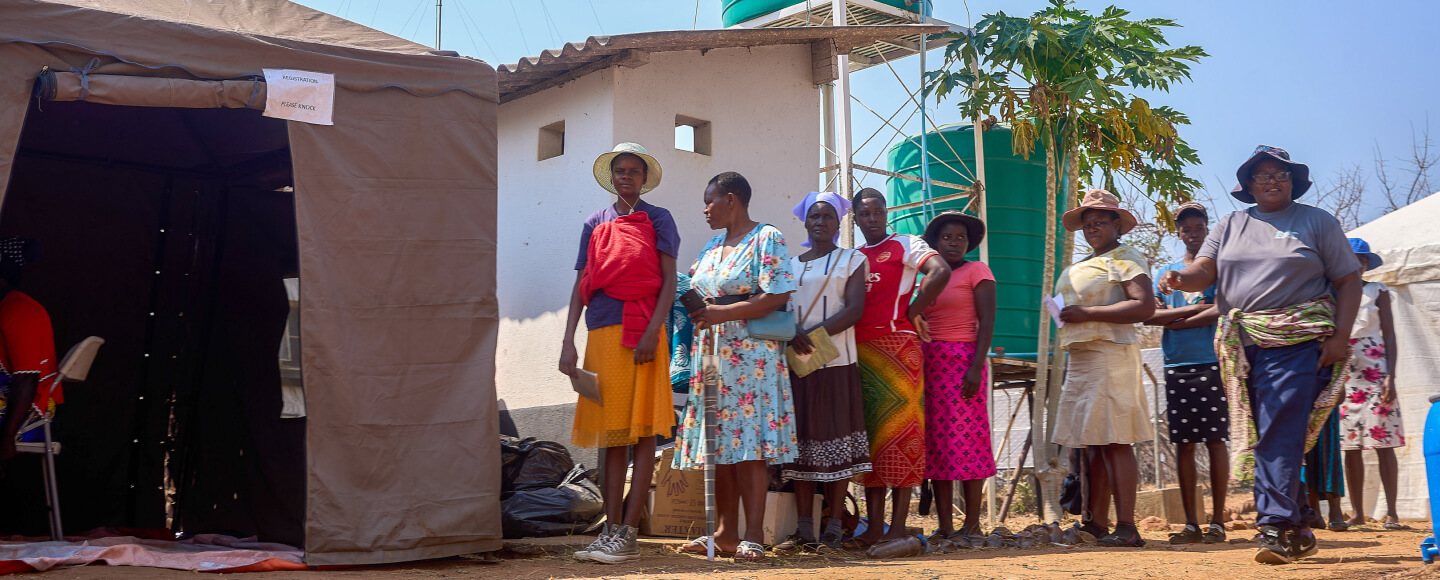
Our doors can stay open in all 36 countries because people like you understand the life-transforming impact of access to choice. With resilience, innovation and your support, we will continue to help women take control of their bodies and lives. We ask you to:
Give Generously. Private funding is crucial to prevent rises in unintended pregnancies, unsafe abortions and related deaths.
Spread the Word. Leverage your networks, advocate for commitments.