
Closing the Strait of Hormuz Puts Choice at Risk
How the War in Iran is Affecting Women in Africa
The recent disruption in the Strait of Hormuz, one of the world’s most critical shipping routes, has sent shockwaves far beyond global energy markets. For MSI Reproductive Choices, the impact is immediate, operational, and deeply human. But, like every obstacle thrown across our path, it provides another opportunity for MSI to do what it does best: innovate.
When supply chains stall, reproductive healthcare slows and that can impact the lives of women, their families and whole communities. Not just today, but far into the future.
A Crisis Measured in Missed Care
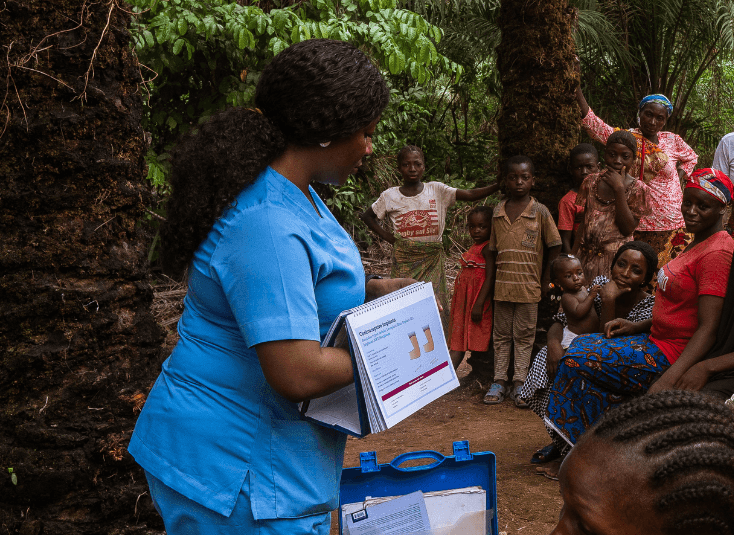
The closure of the Strait has triggered sharp increases in fuel costs, with diesel prices rising more than 30% and petrol by 40% in some of the countries where MSI operates. These increases ripple through everything we do. Increased fuel costs affect our outreach teams who travel thousands of miles each year. They mean increased costs for the delivery of supplies and that can mean fewer choices and fewer women reached. It’s even causing increases in the costs of certain goods, including condoms.
At the same time, shipments of critical contraceptive and safe abortion products, hundreds of thousands of units, have been delayed in transit due to rerouted or halted shipping lanes. Some products that were expected weeks ago still haven’t arrived. Even if the Strait is reopened soon, we expect disruptions in planned deliveries and increased fuel costs for months to come.
With a supply chain that was already challenged by US funding cuts, the logistics of getting contraception to women who urgently need them keeps getting more complicated.
Without consistent access to contraception and reproductive health supplies, women face unplanned pregnancies, unsafe abortions, and interruptions in care that can have lifelong consequences.
The Reality on the Ground
Here’s what our programs are reporting:
- Stockouts. For now, impact on our stocks are manageable, with shipping delays of 7-14 days. The fear is that continuing shipment delays could mean centers risk running out of essential products.
- Costs are rising across the board. From fuel to basic consumables, operational expenses are increasing rapidly. In Ethiopia for example, inflation is now above 10%. Condom prices are expected to increase 30%, pregnancy test kits are up and we expect increases in abortion pill prices as well.
- Programs are being disrupted. Mitigation plans to limit risk are under review and partners are being alerted.
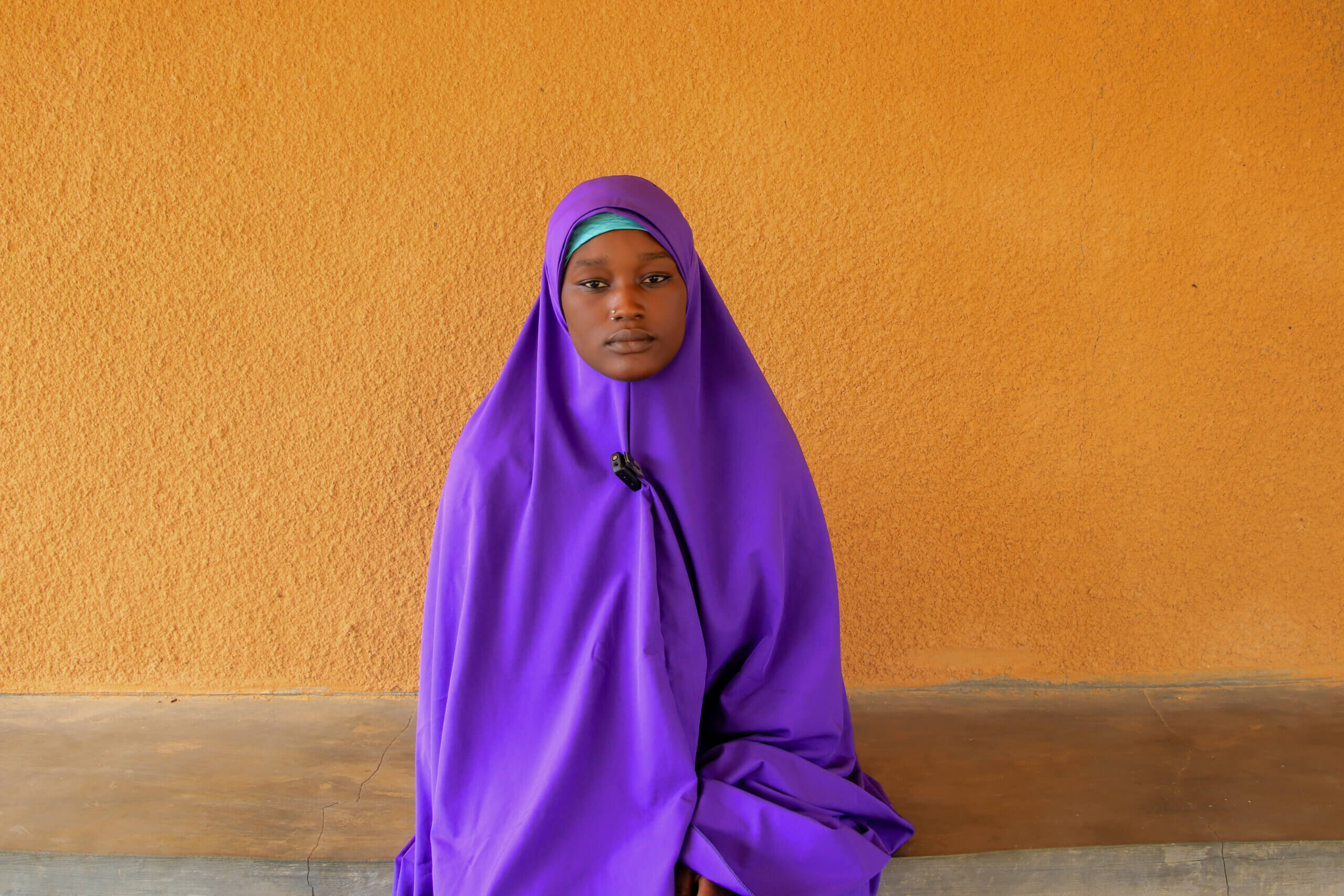
From our office in Harare, Zimbabwe, Country Director, Pester Siraha said: “Here in Zimbabwe, these delays are not just numbers on a report, they are felt in the lives of women every single day. When supplies don’t arrive and costs rise, it is the woman in a rural community who walks for hours only to be turned away. It is the young girl who is forced to leave school because she cannot access contraception. It is the mother who risks her health because she has no safe options left.
We are doing everything we can to stretch what we have, but the reality is that without urgent support, more women will face impossible choices. They are counting on us, and we cannot let them down.”
While we’ve taken immediate steps to mitigate the risk, like purchasing fuel and supplies in advance where possible and planning the rationing of available stock, these are short-term solutions to a crisis that may not be resolved for weeks or months.
Your Support Is Critical
We cannot add to the tragedies of this war by allowing it to become a barrier between women and the care they need.
To respond to this situation and prepare for other interruptions, MSI must urgently invest in new, more resilient solutions:
- Diversifying supply routes to reduce reliance on vulnerable shipping lanes
- Purchasing in higher quantities and sooner than normal to minimize impact
- Filling in gaps when local procurement has fallen short
These solutions require rapid, flexible funding.
This is a pivotal moment. With your support, MSI can adapt, respond, and continue delivering care where it’s needed most, no matter the obstacles.
The closure of the Strait of Hormuz may be beyond our control. But ensuring women still have access to reproductive healthcare is not.
Stand with us. Act now. Because when access closes, the consequences are immediate, and irreversible.