
Nepal floods: Hope after crisis
When disaster strikes, reproductive healthcare can’t stop
In Nepal, devastating floods destroyed homes, roads and access to healthcare. MSI nurses are still finding ways to reach women, thanks to support from people like you.
When a natural disaster strikes, the immediate needs are obvious: food, water, shelter and emergency medical care. But for women and girls, the need to make decisions about pregnancy and their reproductive health doesn’t end when a crisis begins.
That is what MSI Reproductive Choices is working to protect in Nepal.
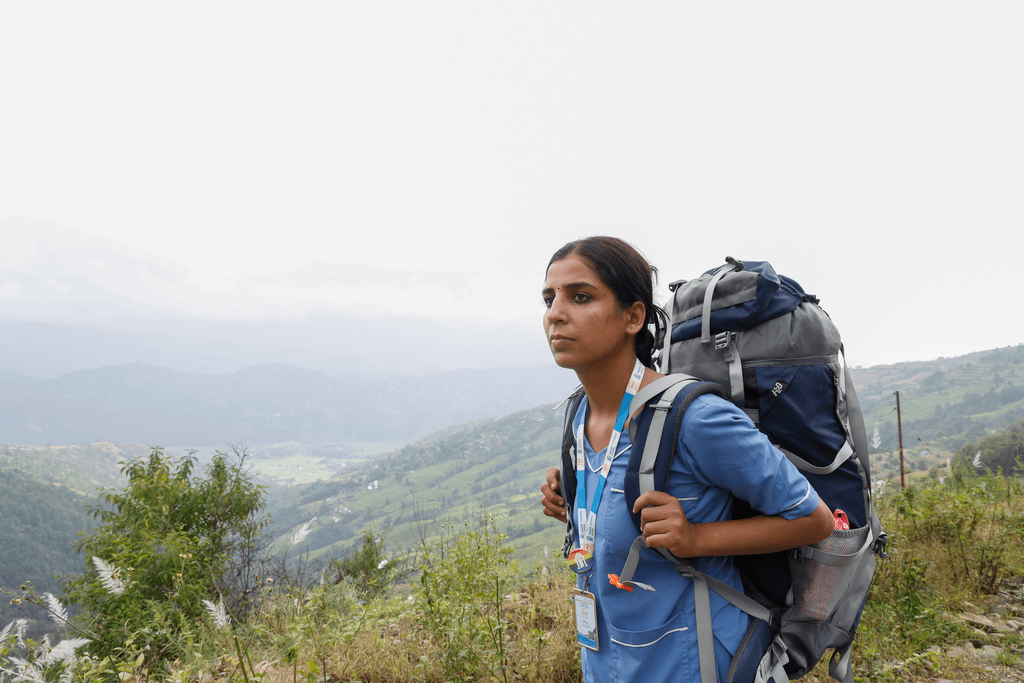
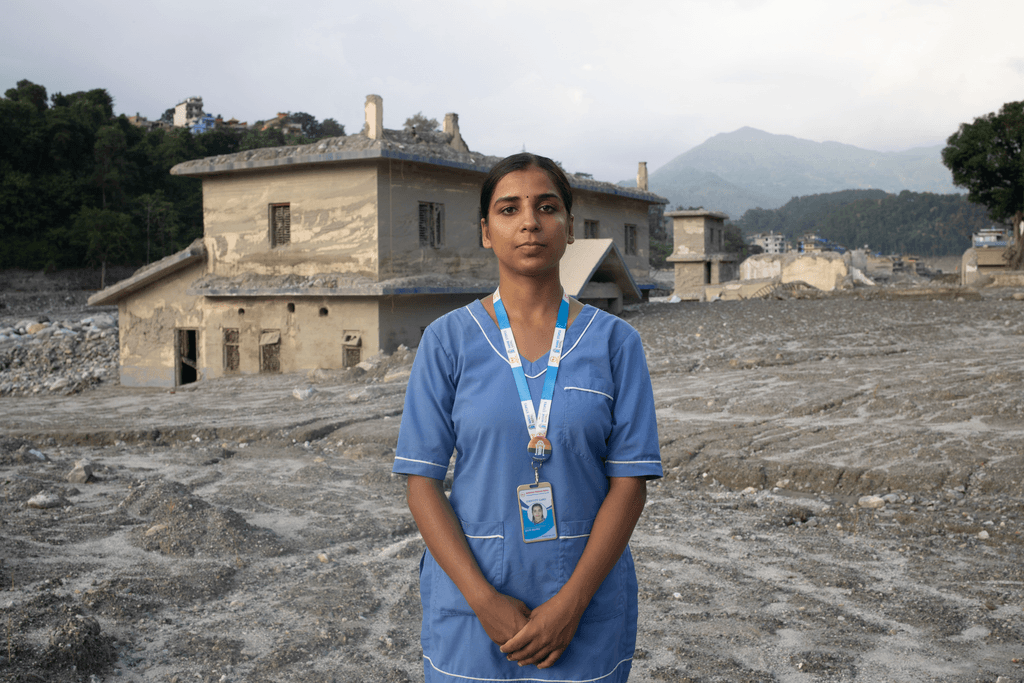
In August 2026, catastrophic flooding along Nepal’s Trishuli River devastated communities, destroying homes and infrastructure and leaving some areas difficult or impossible to reach by road. MSI Nepal’s team was directly affected. One staff member lost her home and all its contents. Thankfully, she and her family escaped in time. Others witnessed traumatic and haunting destruction firsthand. And still, they went to work.
When the roads disappear, MSI finds another way
Before the floods, MSI Nepal’s healthcare teams were already traveling long distances to reach women in remote communities. After the disaster, those journeys became dramatically harder.
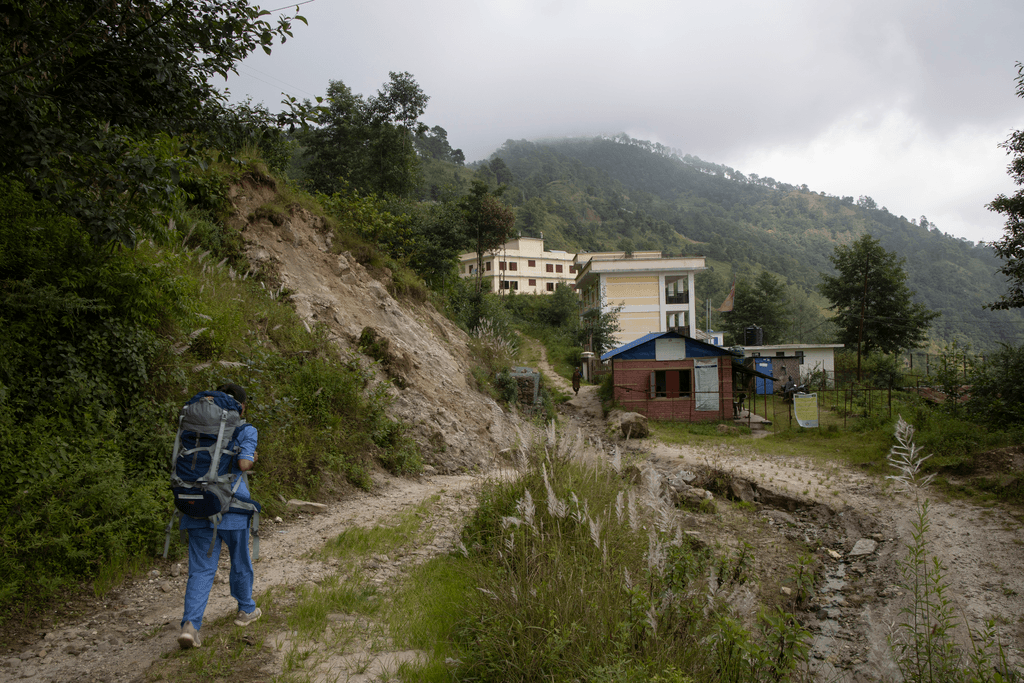
Roads were damaged or washed away. Trips that once took one or two hours now take as long as ten. In some places, healthcare workers have to wait for access to temporary cable crossings.
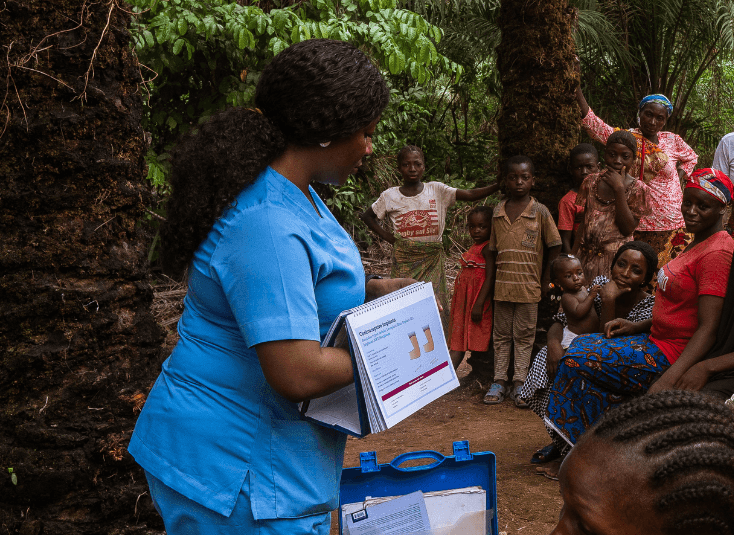
MSI nurses trek into communities carrying contraception, abortion medication and other essential reproductive healthcare. When women cannot travel to a health facility, providers go directly to their homes. This can mean the difference between having access to care and having no access at all for women in remote areas.
One MSI nurse, Divya Mishra, describes traveling hours to reach communities that have been cut off.
“If we do not deliver services at a time like this, people will end up at even greater risk.”
Even in crisis, choice matters
A disaster can take away many things at once: a home, transportation, income, food, privacy and access to healthcare. For women confronted with the uncertainty that comes from a natural disaster like the one in Nepal, the ability to decide what happens to their own bodies should be one of the few things they still control.
That is exactly why reproductive healthcare belongs in humanitarian response.
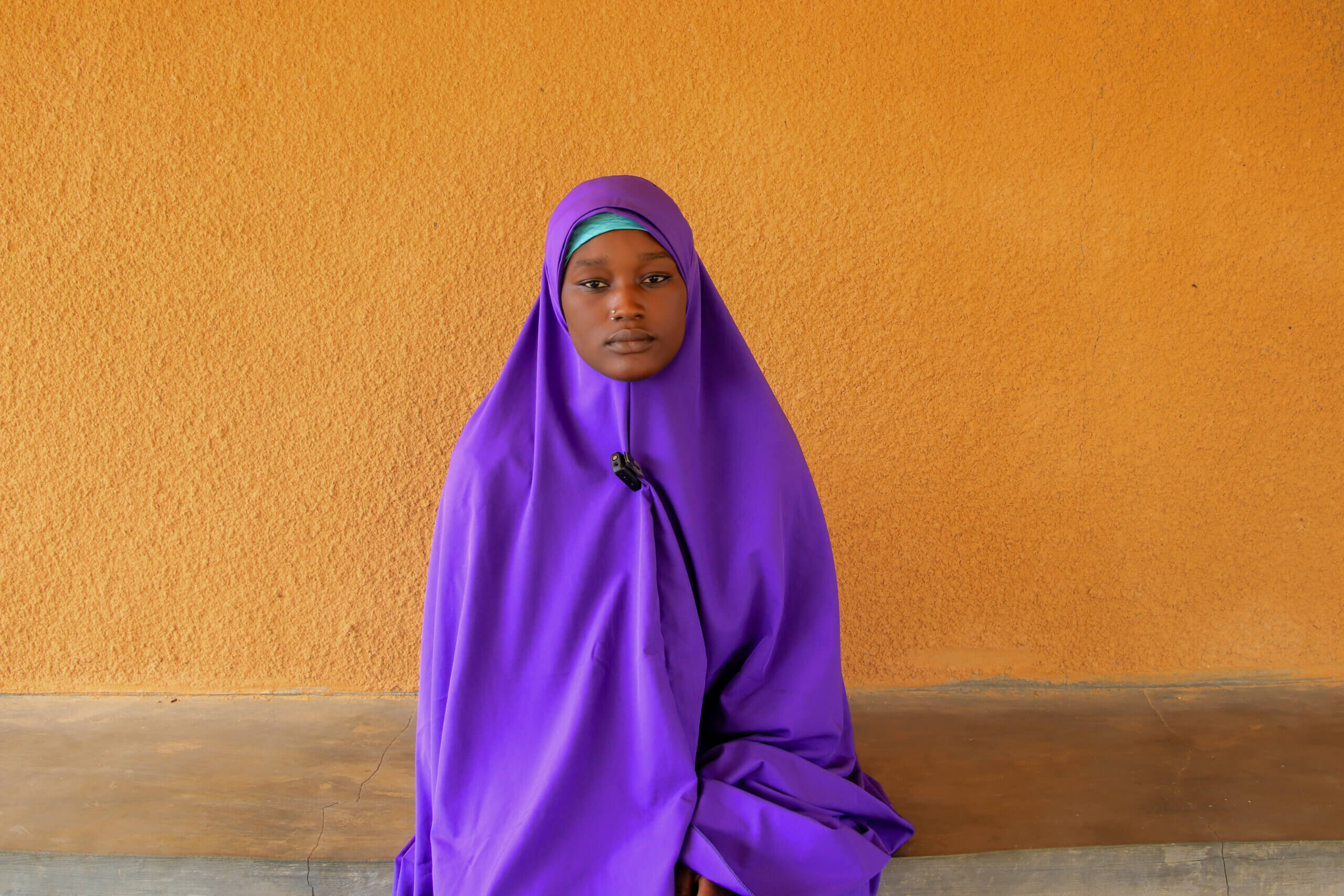
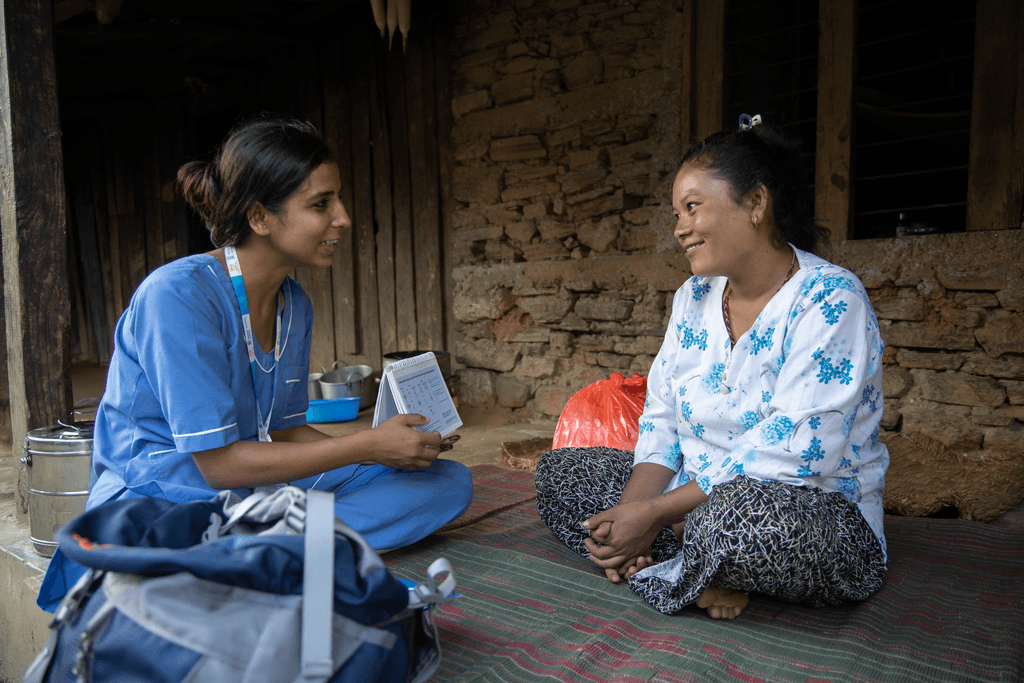
One MSI client, Shree Laxmi, had a six-week-old baby and another young child. With roads destroyed, she could no longer travel to the local health post for care as she had before. When MSI’s team came to her home, she chose a contraceptive implant that will protect her from pregnancy for three years.
She told the team that she wanted MSI to continue bringing these services directly to women in her community.
That is what reproductive choice looks like in a crisis: the ability to still make decisions when so much else is beyond your control.
Your support helps MSI reach women where others can’t
MSI’s ability to respond in places like Nepal didn’t begin when disaster struck.
It came from having trained local teams already embedded in communities, relationships with governments and health systems, and the experience and infrastructure to adapt when circumstances suddenly change.
That capacity matters enormously when roads are destroyed, health facilities are inaccessible and ordinary systems stop functioning.
Your donation helps make that possible.
Your tax-deductible gifts to MSI United States support MSI Reproductive Choices’ work around the world, including efforts to maintain access to contraception and abortion in communities affected by conflict, displacement, natural disasters and other crises.
Reproductive healthcare is not a luxury that can wait until a crisis is over. It is healthcare.
Help keep reproductive healthcare within reach
Donate today to help MSI reach women with the care they need, even when disaster stands in the way.