


How “Godmothers” are Protecting Vulnerable Girls in Niger
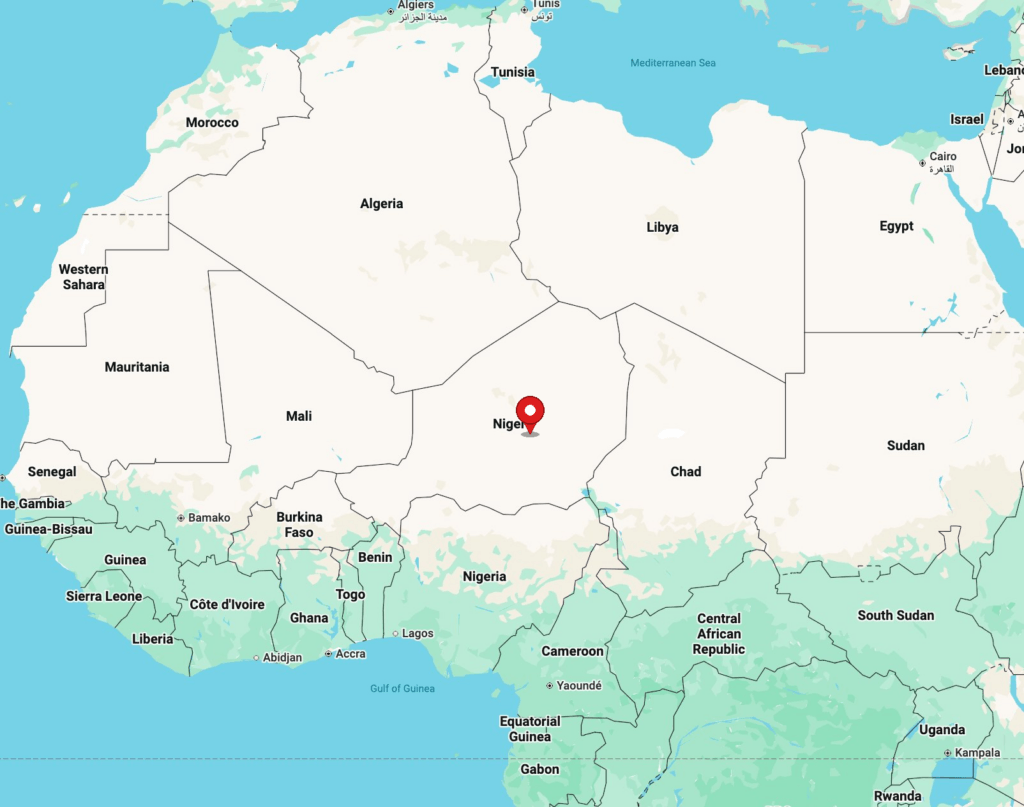
In Niger, thousands of adolescent girls leave their rural villages each year to work in the capital, Niamey. Many become domestic workers, often isolated, underpaid, and at heightened risk of gender‑based violence (GBV), unintended pregnancy, and exploitation. For these girls, formal health and protection services can feel distant or unsafe.
But a recent MSI Niger pilot project shows that change can begin with someone they already trust: a marraine, or godmother.
Reaching Girls Beyond Health Systems
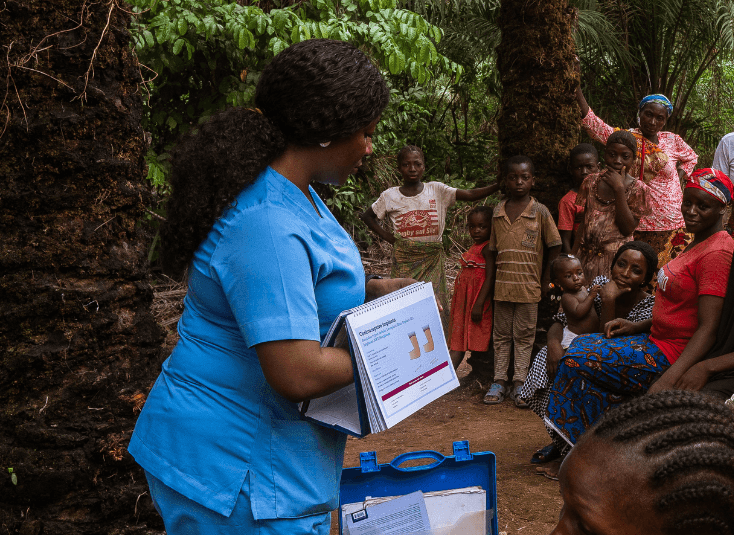
Marraines are older women from the same villages as the girls they support. For years, they have quietly helped young domestic workers navigate city life, finding housing, offering advice, and stepping in when problems arise. With targeted support from MSI Niger, these godmothers became something more: a vital link between girls and lifesaving sexual and reproductive health (SRH) and gender-based violence (GBV) services.
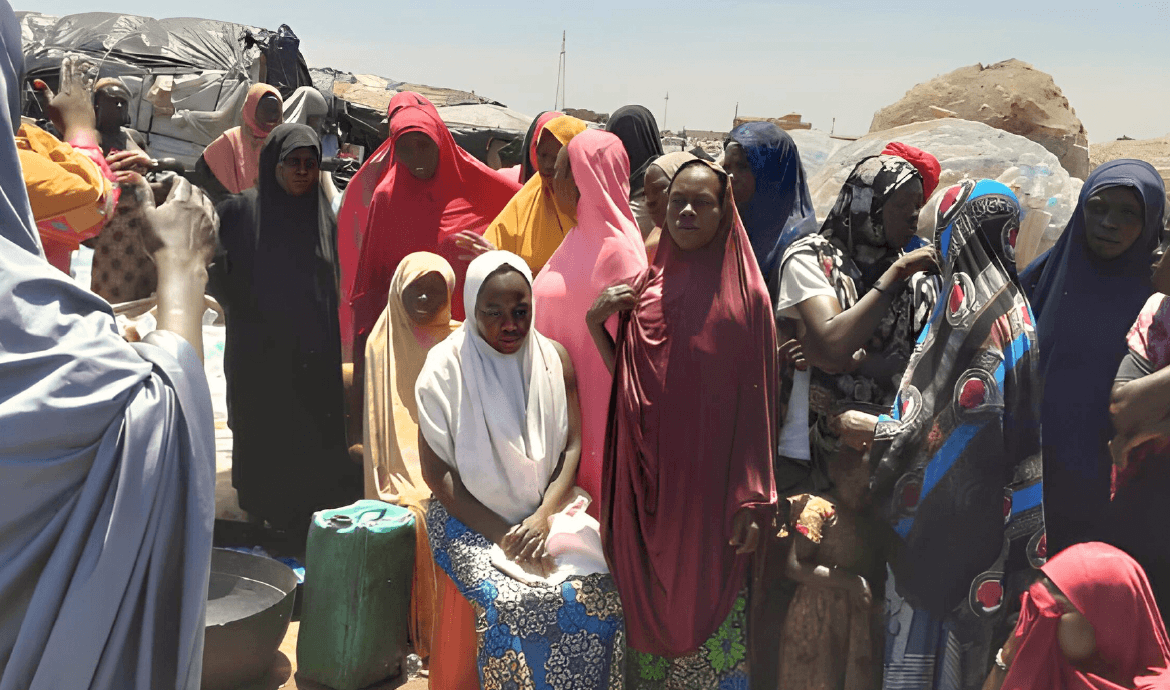
From March to December 2025, MSI Niger trained 10 marraines in Niamey on SRH, GBV awareness, and referral pathways. The pilot also strengthened ties between marraines, MSI Ladies (community‑based providers), and the MSI Niger Contact Centre, including promotion of the toll‑free 488 helpline.
Transforming Access to Reproductive and Gender-Based Violence Services
The results were striking. During the pilot period, MSI Ladies supported 156 survivors of gender‑based violence, nearly one‑third of them adolescents. The Contact Centre received more than 950 calls from pilot areas, and the use of SRH services increased compared to the previous year. Just as important, girls reported feeling more confident, informed, and aware of their rights.
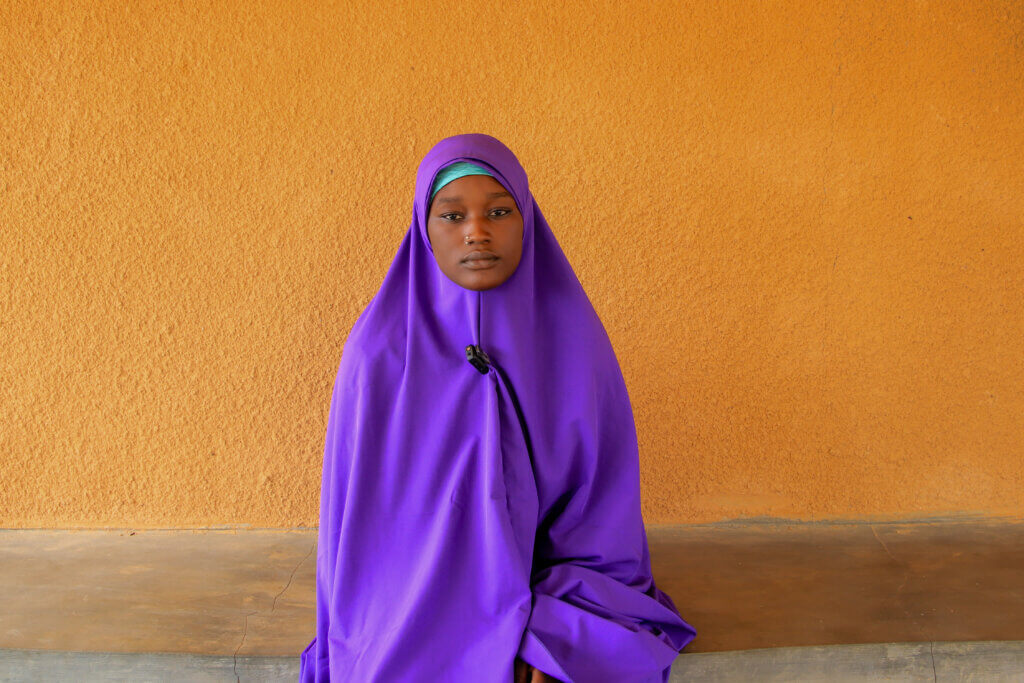
One marraine described the shift clearly: before the pilot, abuse was often met with silence or resignation. Now, girls know where to report violence, how to seek care, and that they are not alone. Marraines themselves reported greater confidence, credibility, and acceptance within their communities, despite ongoing challenges like social stigma and taboos around contraception and GBV.
A marraine shares more about the impact of this work:
Before the project, we talked to young girls in the neighborhood, especially those who had recently arrived from the village in search of work as domestic helpers. We gave these young girls advice. Sometimes we received complaints of abuse, but we were unable to resolve the situation. We told the victim to be patient because she had no choice. Sometimes we took the initiative to talk to the employer, but this could complicate the situation, and the domestic worker would often suffer even worse. Since the arrival of this project, we know better what to do. We no longer wait. The young women know their rights and know where and how to report the GBV they have suffered. Our involvement has changed, because we have realized that these cases of GBV can be reported. Thanks to MSI, we can raise awareness much better than before.”
From Silence to Support: A Community-Led Model That Works
The evaluation confirmed what communities already knew: the marraine model is powerful, low‑cost, and scalable. By working through trusted local women, MSI can reach girls who are otherwise invisible to health and protection systems, and connect them to care before harm escalates.
MSI Niger is now seeking funding to expand this approach to more neighborhoods and reach more girls. With the right support, godmothers can continue to open doors—to safety, dignity, and choice—for the girls who need it most.