

A woman with choice is a woman with hope.
In the Bolivian Amazon, the Eyiyoquibo community of the Esse Ejja indigenous people was contending with more than its share of hardship.
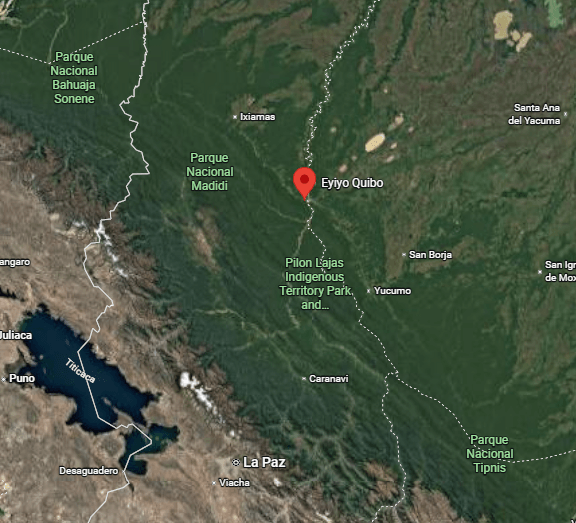
Nearby gold mines were polluting the Beni River, an essential source of food and water, contaminating everything with the mercury used to extract gold from the earth. These traditionally river-dwelling communities were losing their health along with their livelihoods and cultural identities as they were forced inland for survival. Independent studies have found mercury levels almost eight times the limits recommended by the World Health Organization in women in affected communities throughout the Amazon basin. Mercury levels this high cause severe life-threatening birth defects. Without money or much education, and their children dying young, the women in this community wanted help with family planning and more. Information about their reproductive health, their cycles, their choices, was scarce. They struggled with proper hygiene and infections were common.
Andrea Teceros Hans, MSI Bolivia’s passionate educator and advocate, knows this territory intimately, not just geographically, but personally.
Born and raised in La Paz, she spent years in grassroots feminist organizations before joining MSI Reproductive Choices and is driven by a lifelong conviction that every woman deserves to understand her own body. When a local NGO reached out about this isolated Amazon community, Andrea and her colleagues sprang into action.
Rather than arriving with a standard program, the MSI Bolivia team took time to truly listen. What they heard went beyond a need for family planning information. The women confided that they were using old cloths to manage their menstruation, suffering repeated infections as a result. They were struggling for food and clean water. Their needs were overlapping and urgent.
The response was equally thoughtful. Working with the local hospital, Andrea and her colleagues designed a program specifically tailored to this community, covering menstrual health, reproductive choices, family planning, and the fundamental right to bodily autonomy. They connected the women with another organization to help address food insecurity. And they created practical kits for menstrual health, ending the quiet suffering that had gone unaddressed for so long.
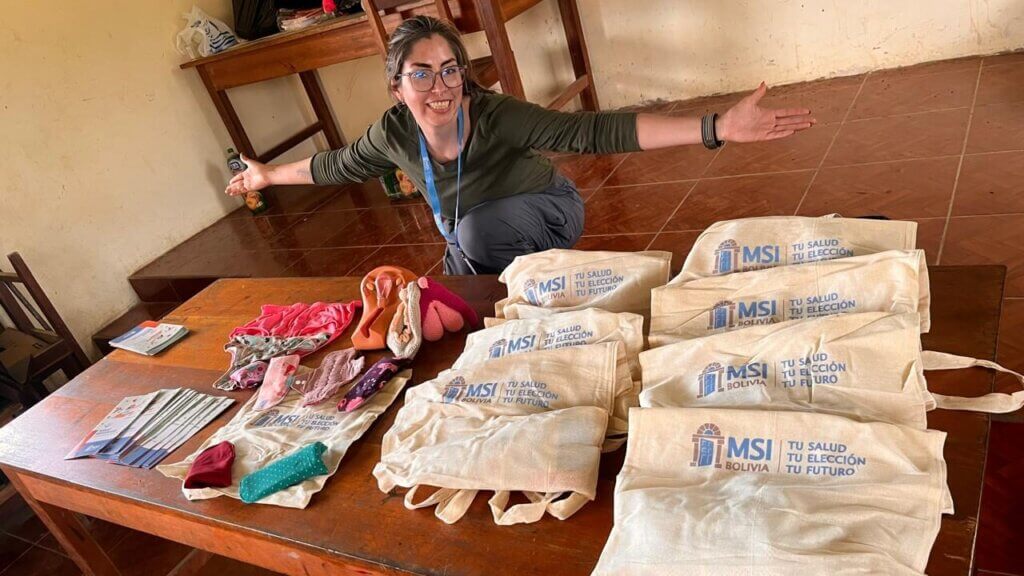
When the program was evaluated, the women said they were eager to keep learning. One told Andrea that when it came to her own sexual health, she had always felt like a crawling toddler, just now learning to walk. It is a metaphor that captures both the depth of what had been denied and the profound possibility of what comes next. Andrea relayed: “In our work at MSI, it is essential to be able to contribute even a small part to bringing a little dignity to historically neglected populations.” This is what donor investment makes possible: not just services delivered, but dignity restored and futures opened. The impact reaches far beyond a single community in the Amazon. Across Bolivia and Mexico, MSI programs supported 113,000 women and girls with reproductive healthcare in 2025.
As Andrea reflects: “life is complicated, but this is simple. A woman with a choice is one with hope in her step.”
Donor generosity puts that hope there.