

Lockdowns mean millions of women can’t reach birth control
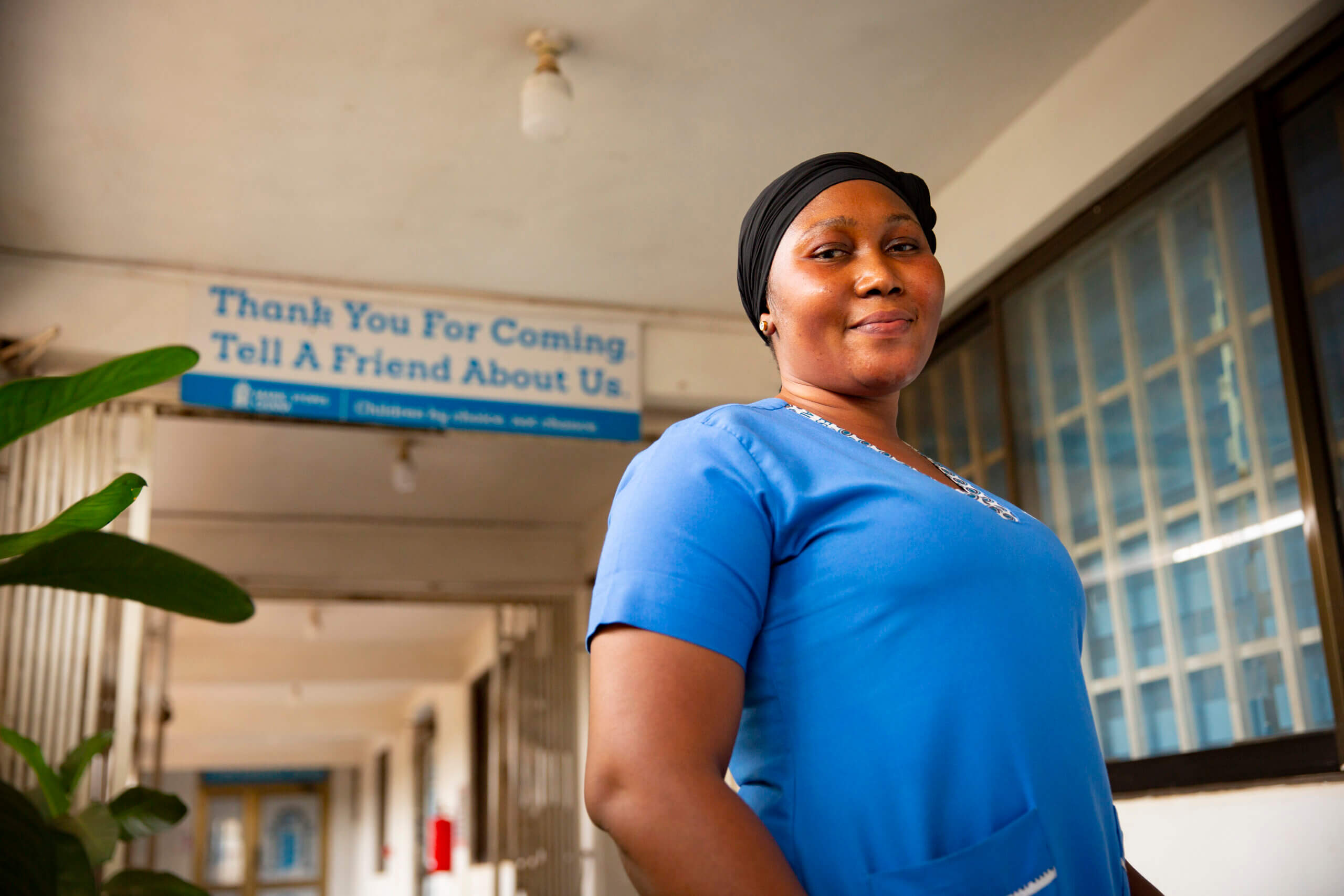
MSI providers in Uganda and Zimbabwe recently shared how COVID-19 is impacting reproductive healthcare. Lockdowns, travel restrictions and manufacturing slowdowns are putting contraception out of reach for millions of women around the world. The result could be more unintended pregnancies and unsafe abortions, according to a Associated Press article.
In Zimbabwe, MSI’s outreach services, which reach more than 60% of our clients, have been suspended due to the lockdown. At clinics that do remain open, the number of clients has dropped by 70%. In Uganda, shipments of emergency contraception and contraceptive pills have been delayed because India, the source, has locked down and ports have closed.
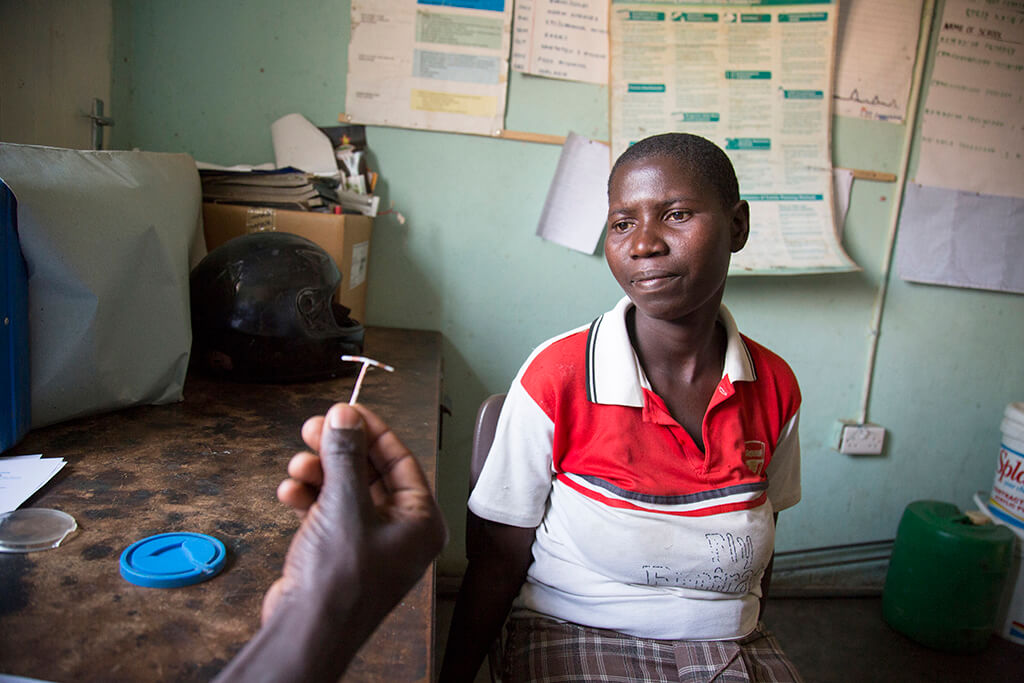
Future Gwena, an MSI outreach worker in Zimbabwe, said:
“Husband and wife, what else can they be doing in that house? I think we’re going to have a lot of pregnancies and, unfortunately, unintended. And most will result in unsafe abortions, domestic violence. Our community is paternalistic. If something goes wrong in the home, it’s the mother’s fault, even if the man initiated it.”
MSI estimates that up to 9.5 million women could lose access to our contraception and safe abortion services due to COVID-19. Across the 36 countries where we work, that could lead to an additional 3 million unintended pregnancies, 2.7 million unsafe abortions and 11,000 pregnancy-related deaths.
Read the full story here.