
Mifepristone is safe and effective
Evidence from our global programs
In the United States today, access to mifepristone—a safe, FDA-approved medication used in the majority of abortions—is once again under threat. A recent federal appeals court ruling has moved to restrict access by blocking the mailing of mifepristone, undermining decades of scientific evidence and the authority of the U.S. Food and Drug Administration.
At the same time, a growing wave of misinformation continues to distort public understanding of this essential medicine, amplifying unfounded safety concerns and politically motivated narratives. The reality is clear: mifepristone has been used safely for over 20 years and is backed by extensive global evidence demonstrating its safety and effectiveness. Yet instead of following the science, these legal and cultural attacks are making it harder for people—especially those in marginalized and underserved communities—to access the care they need.
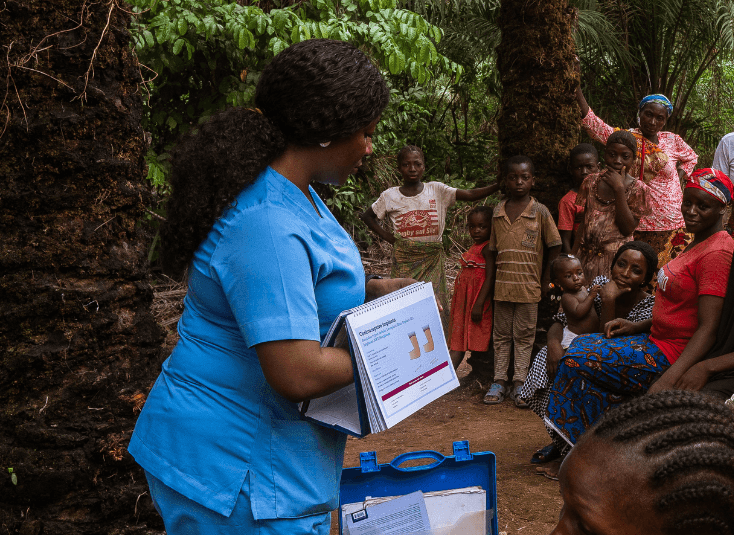
At MSI, we provide mifepristone in countries around the world to help women safely and conveniently end their pregnancies. We see firsthand the drug’s impressive safety record—and we’ve contributed to research that helps build medical professionals’ understanding of how to safely deliver abortion care.
What is mifepristone?
Mifepristone is one of two medications used in a medication abortion. In a medication abortion, women take two pills—mifepristone and misoprostol—either in a healthcare setting or in their own homes via telemedicine. The medications end the pregnancy and induce bleeding and expel the tissue.

Is mifepristone safe?
Yes, mifepristone is a very safe medication. In fact, data from the United States shows that it’s safer than other common, low-risk medications like penicillin.
In the United States, mifepristone was approved by the FDA back in 2000. In 2021, the FDA further removed restrictions on mifepristone, citing MSI data from the UK that demonstrated it could be used safely in a telehealth context.
What are the risks of taking mifepristone?
Mifepristone, when combined with misoprostol, induces miscarriage-like symptoms. That means women experience bleeding and cramping. At MSI, we encourage women to use appropriate pain relief during their medication abortion to make themselves more comfortable.
Medication abortions are effective in most cases – more than 99%. However, in a small minority of cases, a woman will need an additional procedure at her clinic to remove remaining pregnancy tissue.
What do our clients tell us about taking mifepristone?
Clients tell us often that taking mifepristone was uncomplicated, especially when they felt supported doing so. They often appreciate the privacy of being able to take the medication at home rather than having to travel to a clinic.
One client in the UK shared her story:
My boyfriend and I were not ready to be parents. So, I filled in the form online and a lovely lady called me the next day to get me booked in with a nurse. The day after that another lovely nurse called me. She answered all of my questions and talked me through it.
The day after that my medication arrived and I took the mifepristone, I felt fine with a tiny bit of bleeding that evening. 24 hours later I took the 4 misoprostol tablets and within 3 hours it had all come away. I had the slightest period-like pains, but nothing compared to what I was expecting.
I’m so so grateful to be able to do this for free and legally. I can’t thank MSI enough. It was really straightforward.
What would restrictions on mifepristone mean for women and girls?
If the FDA made mifepristone more difficult to access, women and girls in the United States would have a harder time accessing safe abortion care in a timely manner.
More than half of abortions in the United States are currently done by medication. Without access to medication abortion, more women will be forced to receive abortion procedures at a clinic—increasing wait times as well as travel times for those who live far from a clinic. Poor women will be most compromised.
As a healthcare provider, we take safety seriously—and our data and clinical experience make clear that mifepristone is safe and effective. We’ll continue providing medication abortion care to women who need it, even as anti-choice activists try to mislead the public about this safe medication.