


MSI in Zimbabwe: Bringing healthcare closer to communities
The MSI Zimbabwe team have introduced new initiatives to expand access to sexual and reproductive healthcare to rural communities in Zimbabwe.
Expanding access in Matusadona National Park
For many families living around Matusadona National Park in Kariba, accessing healthcare can be difficult. Barriers such as long distances, poor transport links, and limited infrastructure often make it hard to reach essential services.
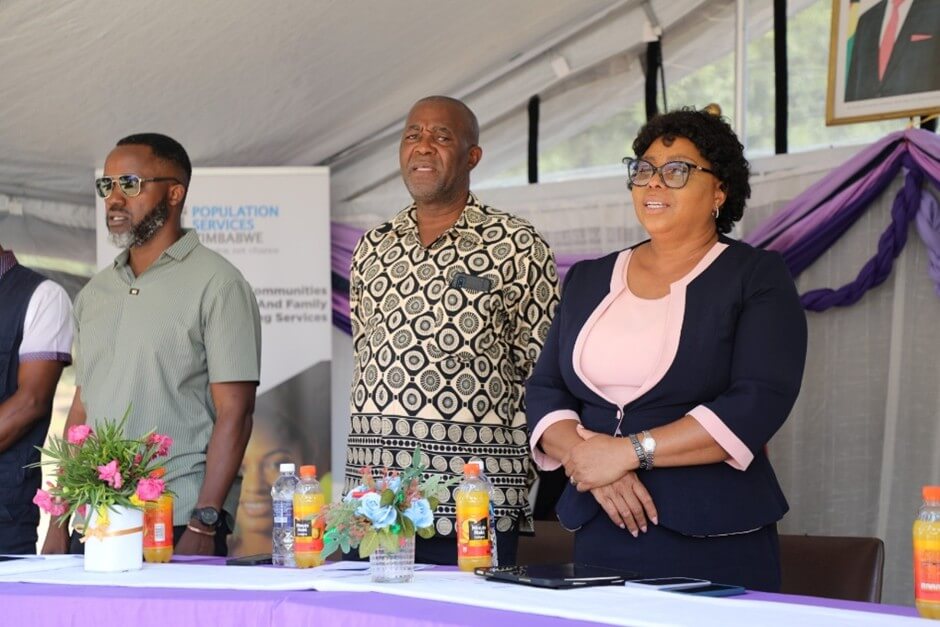
To help address these challenges, Population Services Zimbabwe joined forces with the Matusadona Conservation Trust to improve access to sexual and reproductive health services for communities living near the park. In February 2026, representatives from the health and conservation sectors, local authorities and traditional leaders came together in Siakobvu to formalise this partnership.
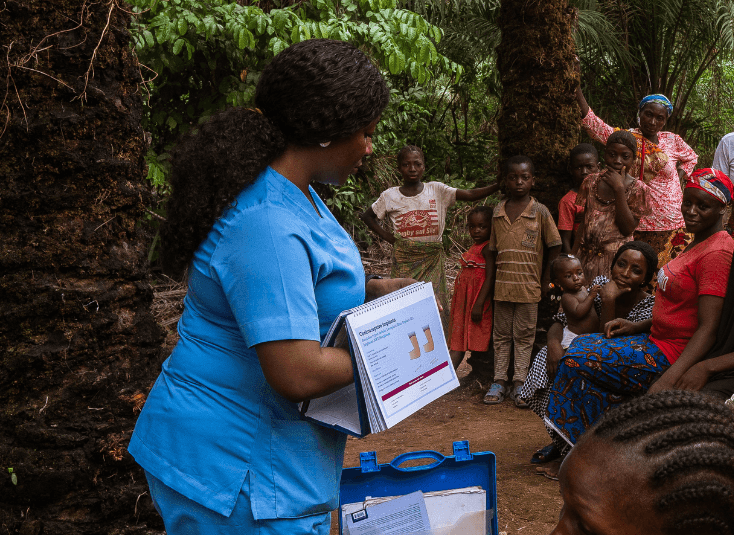
The partnership aims to bring services such as contraception, cervical cancer screening and other reproductive healthcare directly into remote communities, reducing the need for families to travel long distances for care.
The involvement of local leaders highlights the importance of community ownership in creating lasting change. By working together across sectors, PSZ and its partners are helping ensure that people living in conservation areas have the same opportunities to access quality healthcare as those in more connected locations.
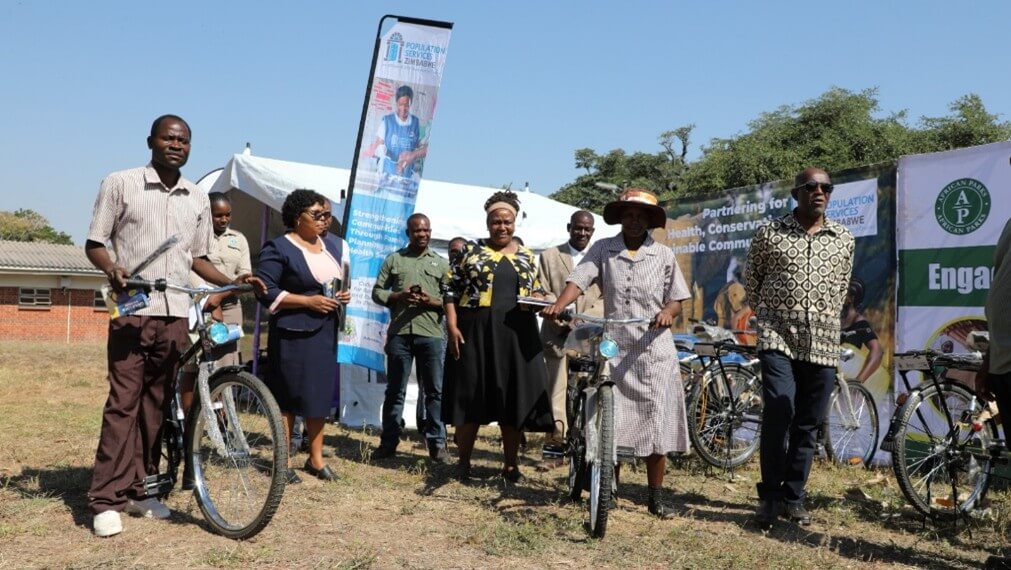
Building on this commitment to improving healthcare access in Matusadona, PSZ, the Matusadona Conservation Trust and the Ministry of Health and Child Care have provided bicycles to village health workers serving remote communities.
Previously, many health workers spent hours walking across difficult terrain to visit households, provide health education, support patients, and connect families with healthcare services. To make this work easier and more effective, twelve bicycles were allocated to the health workers.
The bicycles will allow health workers to travel further and faster, giving them more time to visit households, monitor pregnant women and children, support treatment adherence, identify health concerns early and facilitate referrals to healthcare facilities.
For communities, this means more regular contact with health services, better access to health information and earlier support when health issues arise. A simple intervention like a bicycle can make a significant difference in strengthening the connection between remote communities and the healthcare system.
Connecting with new clients at the ‘Down Run’ in Mazowe
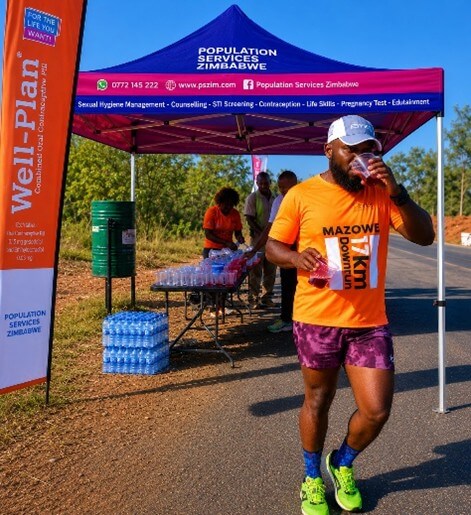
PSZ also took part in the annual 17km Down Run in Mazowe, where more than 800 participants gathered for one of Zimbabwe’s best-known wellness events. While many attended to complete the race, PSZ used the event as an opportunity to engage with community members, raise awareness of its services, and promote healthy living.
Throughout the day, the PSZ team shared information about healthcare services and promoted the organisation’s Contact Centre, helping people understand where they could access trusted health information, referrals and appointments. A PSZ mascot became a popular attraction, drawing people in and helping start conversations about health in a relaxed and approachable way.
The event also created opportunities to build new partnerships. PSZ secured a place in future Mazowe Run events and discussions with representatives from Zimplats led to plans for a dedicated health outreach programme for approximately 3,000 employees and their families.
The event showed how simple conversations and shared experiences can open doors to new collaborations, helping extend healthcare services to even more people.
Changing the conversation on sexual and reproductive health
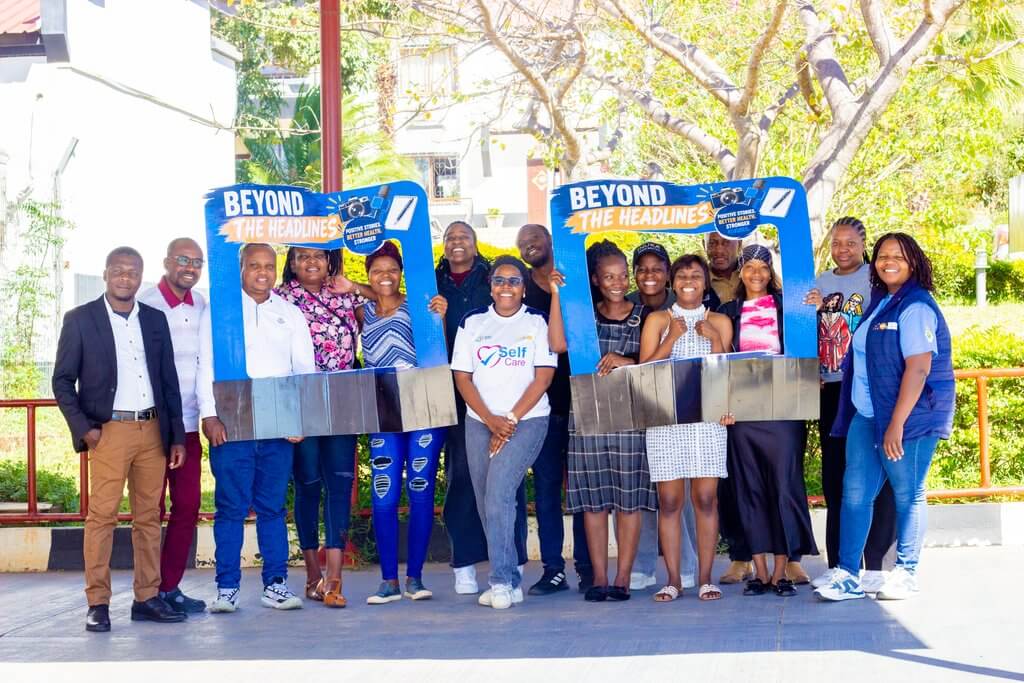
In May 2026, journalists and editors from across Zimbabwe gathered in Mutare for a two-day workshop on sexual and reproductive health reporting, organised by PSZ with support from the Embassy of Sweden.
The workshop encouraged participants to reflect on how personal beliefs, cultural norms and professional experiences can influence reporting on sensitive health issues.
Discussions explored issues including abortion, adolescent access to healthcare, cervical cancer screening and HIV prevention, while highlighting the barriers many people face when seeking care.
A key theme was the importance of responsible, people-centred storytelling that reduces stigma, promotes understanding and helps improve access to accurate health information.