


Through War, Ebola, and Uncertainty, Women Kept Showing Up
When Anna Macauley thinks back on her first client, she remembers a woman named Fatou.

Anna Macauley, MSI Sierra Leone
It was more than two decades ago in Sierra Leone. Fatou was raising six children, struggling to stay healthy herself, and had never heard that family planning was even an option. After learning about contraception, she chose a contraceptive implant. Months later, Anna saw her again.
The change was remarkable.
Fatou was healthier, more confident, and eager to share what she had learned. She and her husband began telling others in their village about the care she had received, encouraging women to seek the same opportunities for themselves.
For Anna, it was the beginning of a career that would span some of Sierra Leone’s most difficult years, and a reminder of how transformative reproductive healthcare can be.
When Anna joined MSI in 2000, Sierra Leone was emerging from a devastating civil war. Healthcare systems were fragile, and women often had nowhere to turn for family planning or reproductive health services. Word of MSI’s services spread quietly from woman to woman. Clinics filled with people seeking information, support, and care.
The challenges did not end when the war did.
Years later, the Ebola epidemic swept across the country. Fear spread rapidly. Healthcare facilities closed their doors. Families worried not only about the disease, but also about how they would access essential healthcare.
Many organizations paused services. MSI Sierra Leone made a different decision.
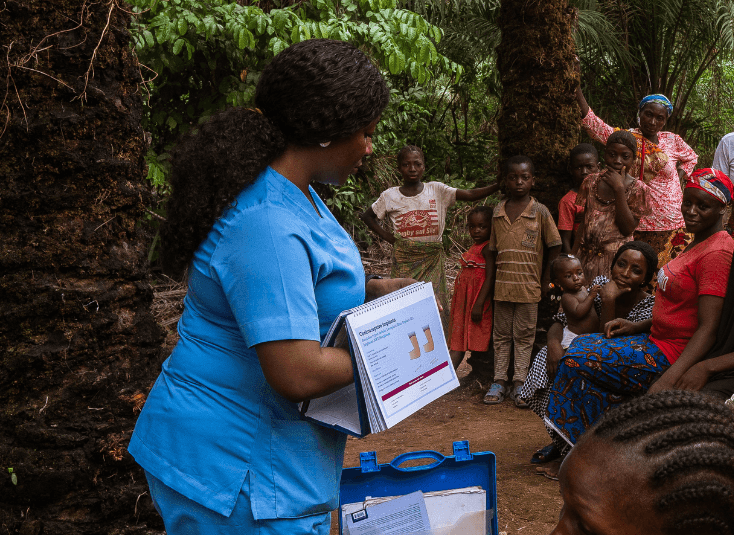
Anna and her colleagues carefully developed safety protocols, trained staff, invested in infection-prevention equipment, and adapted the way they worked. Team members continued traveling into communities despite the risks, determined to ensure women could still access the care they needed.
The approach worked. MSI’s teams remained operational throughout the crisis, and their safety procedures became a model that even government health services sought to learn from.
When COVID-19 arrived years later, the lessons learned during Ebola helped the team adapt once again.
For Anna, these experiences reveal something important about MSI’s work.
Healthcare is not only needed during stable times. In many ways, it becomes even more important during periods of uncertainty. Conflict, disease outbreaks, and economic hardship can all increase the challenges women face when trying to plan their families, protect their health, and care for their children.
Today, MSI Sierra Leone has grown from a small operation into the country’s leading provider of reproductive healthcare, supporting women and girls in communities across the nation while also strengthening public health services for the future.
Anna now spends much of her time training government health workers, helping them build the skills and confidence to provide quality reproductive healthcare in their own communities. The impact extends far beyond any single clinic or appointment. Thinking back she said: “If I think about why we’ve been able to persevere…, I’d say it’s our people. MSI attracts tenacity in human form. We have positive flexible attitudes, are willing to work under strain, to embrace whatever change comes.…”
Knowledge is contagious.
One woman gains access to information. She shares it with another. One provider receives training. They go on to help thousands more. One community gains reliable healthcare. Future generations benefit.
For more than two decades, Anna has watched those ripples grow. Through war, epidemics, and countless other challenges, women kept showing up. And MSI kept showing up for them.
That persistence has helped transform lives, strengthen communities, and expand choice for women across Sierra Leone, one conversation, one client, and one generation at a time.