
Reproductive Health Wins in 2025
In a year marked by political backlash, funding cuts, and relentless attacks on reproductive autonomy, 2025 also delivered powerful reproductive health wins — moments of courage, compassion, and undeniable progress.
For supporters of MSI United States, these victories are more than headlines. They represent real people who received care, real laws that changed lives, and real proof that standing up for reproductive freedom works.
Here are some of the most meaningful reproductive health wins of 2025, and why they matter now more than ever.
Life-Saving Legal Progress for Abortion Access
Malawi: Protecting Survivors and Saving Lives
In Malawi, young survivors of sexual violence gained the legal right to abortion care. This landmark ruling by the Malawi High Court prioritizes health, dignity, and healing over punishment in a country where safe abortion care is legally restricted and difficult to access. The decision will prevent unsafe abortions and protect some of the country’s most vulnerable people.
MSI’s program in Malawi supported this ruling by partnering with the Nyale institute, a local organization who brought the case. They also facilitated media training on abortion reporting for journalists. The result? Increased public awareness of safe abortion through media coverage of the case.

Strengthening Care When the U.S. Needs It Most
Training American Doctors Across Borders
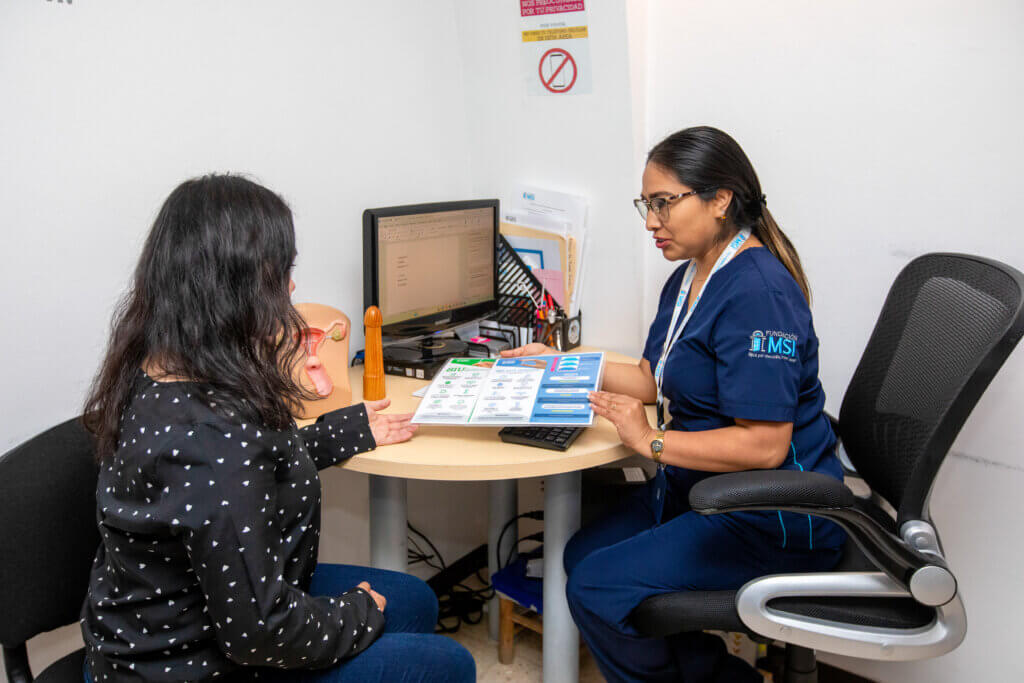
With abortion access increasingly restricted across the United States, 52 U.S. physicians traveled to Mexico in 2025 to receive hands-on abortion care training through MSI partnerships. This cross-border collaboration ensures providers can continue offering safe, high-quality care, even when politics get in the way.
For American donors, this is a reminder: global reproductive health work directly strengthens care back home.
Expanding Contraception Access Worldwide
Ethiopia: A National Plan for Young People
Ethiopia launched a new government strategy expanding sexual and reproductive health education and contraception for young people. The new roadmap was shaped by advocacy from MSI and local partners. Its goal? Reduce the rate of adolescent pregnancy from the current 13% to 3% by 2030. For millions of adolescents, this will mean fewer unintended pregnancies and more control over their futures.
MSI Ethiopia provided extensive technical expertise to the strategy, including on issues like designing adolescent-friendly healthcare services. Now, we’re using the new strategy to advocate for changes at the local level, reaching teen girls with accurate information and supportive healthcare in their own communities.
Bangladesh: Reaching the Hardest-to-Reach
A new family planning strategy in Bangladesh will bring contraception and reproductive healthcare to remote and underserved communities, closing long-standing gaps in access.
The new strategy allows roving teams of healthcare providers to travel to areas without other access to reproductive healthcare and deliver a full range of reproductive health services, including long-acting contraceptive methods. MSI Bangladesh shared proven service delivery models, and our technical expertise helped shape the final policy.

Updating Abortion Care Standards to Save Lives
Kenya Aligns with WHO Guidelines
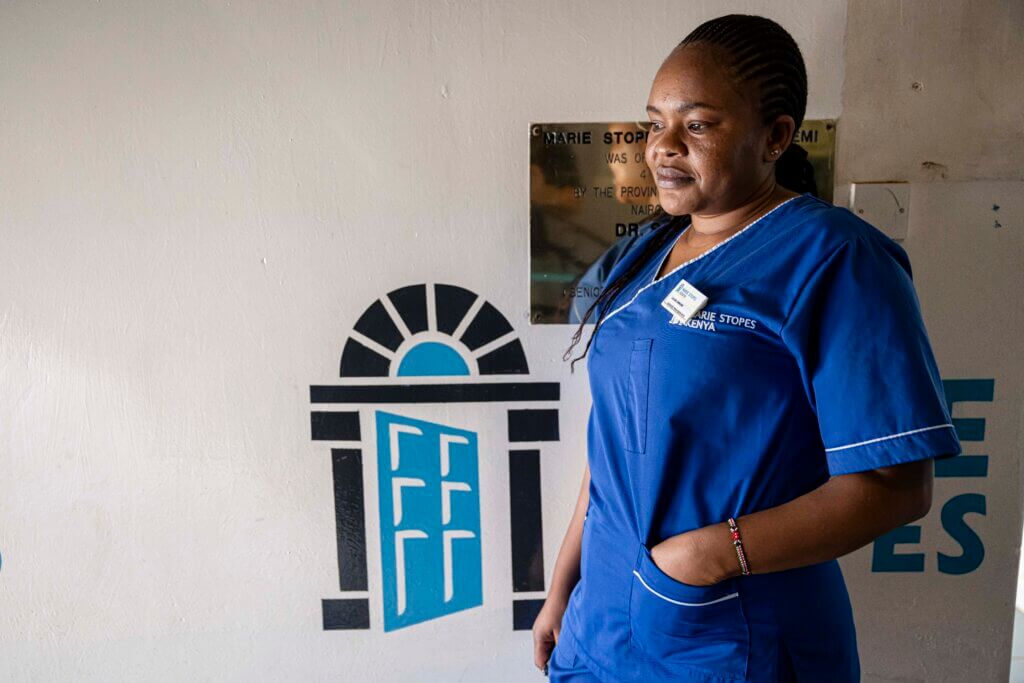
Kenya updated its national abortion care guidelines to reflect World Health Organization standards. The guidelines include better provider training and more guidance on post-abortion care for women who have undergone an unsafe abortion. This public-health-driven approach will reduce complications and prevent needless deaths.
MSI Kenya worked in partnership with other NGOs and the Ministry of Health to shape the new guidelines.
When Funding Falls Short, the World Steps Up
Despite major cuts to international reproductive health funding in 2025, countries didn’t turn away. Governments in Nigeria, Zambia, Zimbabwe, Madagascar, Papua New Guinea, and the Democratic Republic of Congo increased domestic investment in reproductive health services — protecting care when it was most at risk.
And supporters around the world stepped up too.
Through MSI’s Choice Emergency Fund, donors raised more than $5.6 million to keep clinics open, providers trained, and care available during crisis.
Why These Reproductive Health Wins Matter to Americans
At home, reproductive freedom remains under threat. But 2025 also showed that people will fight back. The millions of people who vote, organize, and demand bodily autonomy are making a real difference for women and girls around the world.
These global wins remind us that progress is never automatic. It’s built by people who refuse to give up. And American donors play a critical role in making that progress possible worldwide.
Your Support Makes These Wins Possible
Every policy change.
Every trained provider.
Every woman who receives safe care instead of risking her life.
These are the outcomes of sustained commitment — and proof that even in the hardest moments, reproductive health wins are still possible.
As we look ahead, one thing is clear: when we stand together, we protect lives, dignity, and choicere everywhere.