Supporting community health workers in Sierra Leone to expand access to contraception
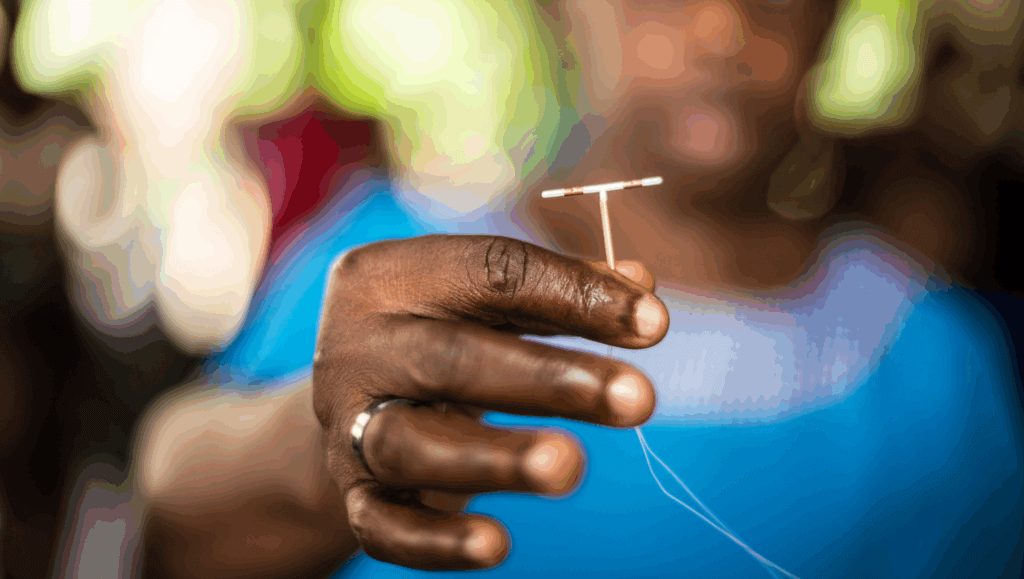
MSI Sierra Leone piloted new resources to support government community health workers to engage their communities in reproductive healthcare.
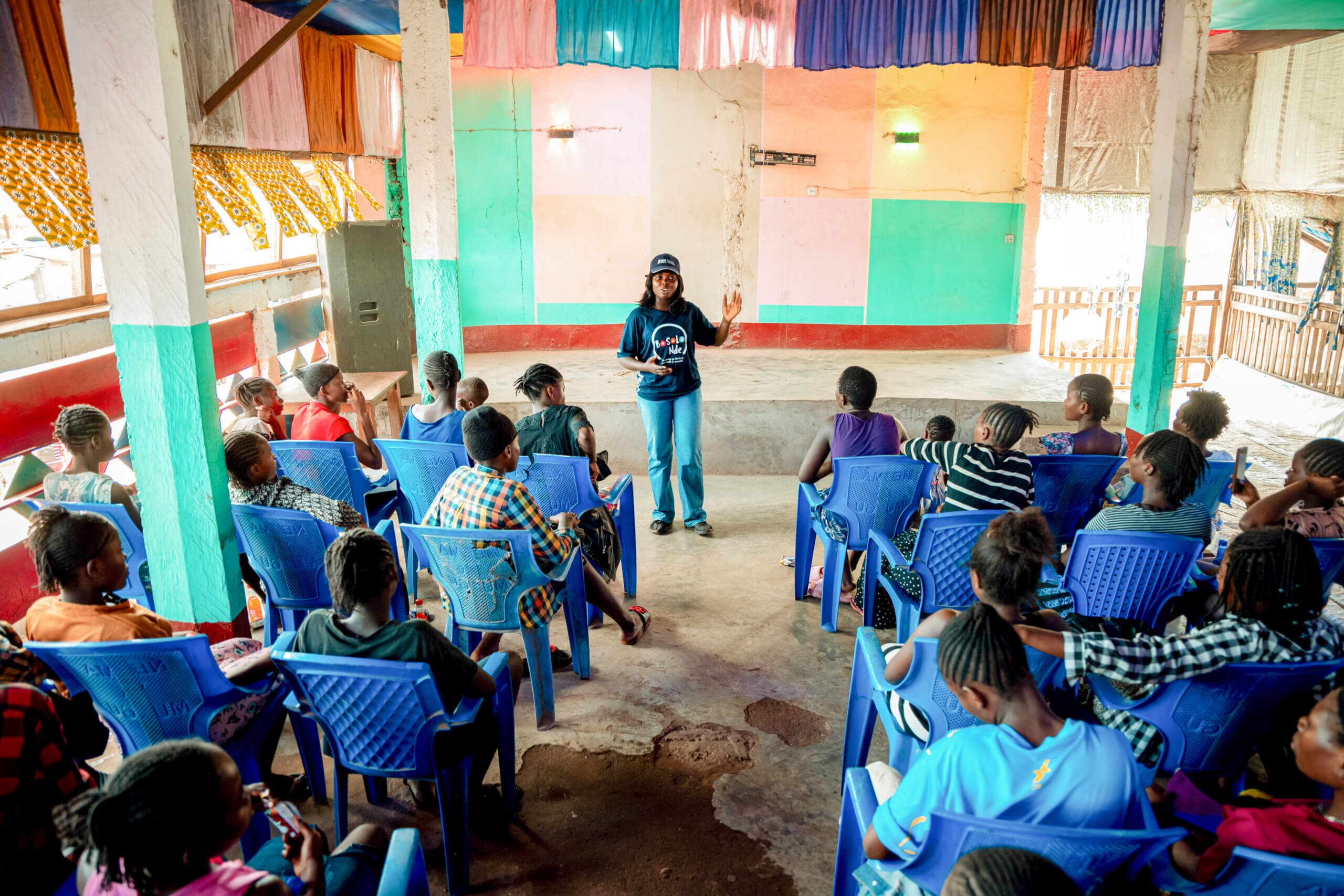
Community health workers are often the bridge between health facilities and communities. They are therefore often more trusted and accessible than health facility staff. However, they are expected to cover a wide range of health topics, and with limited training in sexual and reproductive healthcare, it is possible access may fall short.
MSI Sierra Leone responded to this issue by working with the community health workers to develop tools that support discussions around contraception with their communities and strengthen access to reproductive healthcare in the public sector.
Following discussions and testing, the following were identified as part of a resource package:
- A flip chart to use during discussions surrounding contraception
- A myth-busting card game which explores common questions and misconceptions related to reproductive healthcare
- A package of a few household items for engaging community leaders to raise awareness for the services and advice available.
- An ‘ask us anything’ anonymous question box, to help tailor community health workers’ information sessions
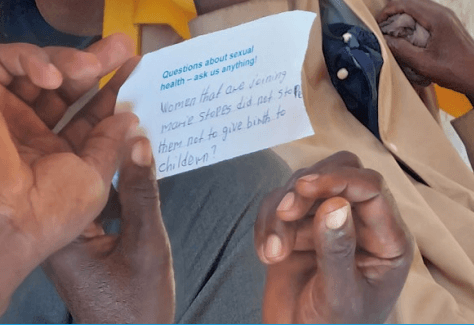
Following the pilot, the team saw improvements in community health worker knowledge and confidence, and an impact on contraceptive uptake. It was also observed that the resources helped community health workers engage with audiences they previously were not reaching. This includes local leaders, men, and adolescents.
“The tools help to increase family planning uptake and acceptance because it builds confidence in community health workers, so the community have more confidence in them.” – Facility second in charge, Western Rural
This shows us that simple tools and training boosts the impact of community health workers on community engagement and uptake of services, but this must be part of broader government buy-in and support. The Ministry of Health and Sanitation at the district level and the teams at health facilities must be included in, and supportive of, a roll out of new resources. The impact on these communities also depends on sustained engagement through ongoing follow-ups and refresher training.
The MSI Sierra Leone team are using the insights gathered from this pilot to further community engagement and government support.