

Three ways to get people talking about contraception
In rural West Africa, many women would like to prevent another pregnancy. But often they aren’t using a modern method of contraception.
Maybe they don’t know what contraceptive methods are available or where to access them. Maybe they’ve heard myths about side effects or feel their community doesn’t approve of using contraception. They may not even know that preventing pregnancy is an option!
To reach these communities, it’s not enough to show up with IUDs and implants. We have to change the conversation. That means letting people know what contraception is, what their options are, and how they can start using it.
We take a three-step approach to informing women in rural areas about their contraceptive options, and we see dramatic results. A single MSI outreach team in West Africa can serve up to 70 rural women and girls in a single day. Seventy percent of women we serve weren’t using contraception before we arrived!
Step one: Building local relationships
If we don’t understand the community context and connect with community leaders, our program will fail. That’s why, when we’re visiting a new community, we are careful to involve leaders and influencers, crafting culturally appropriate messages, and designing interventions that speak to the community’s unique needs.
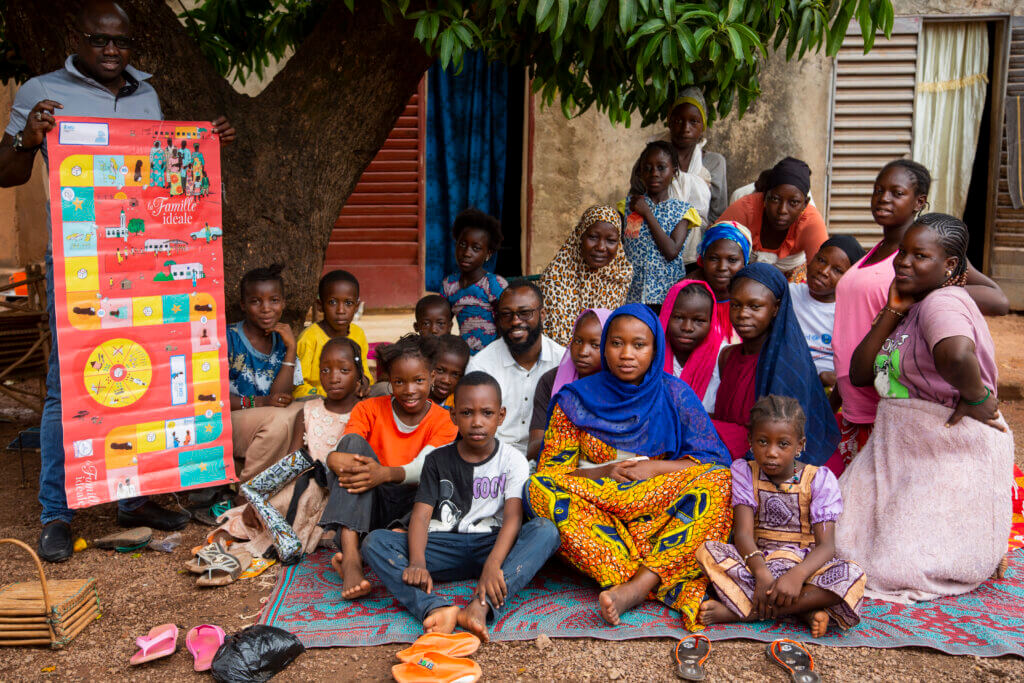
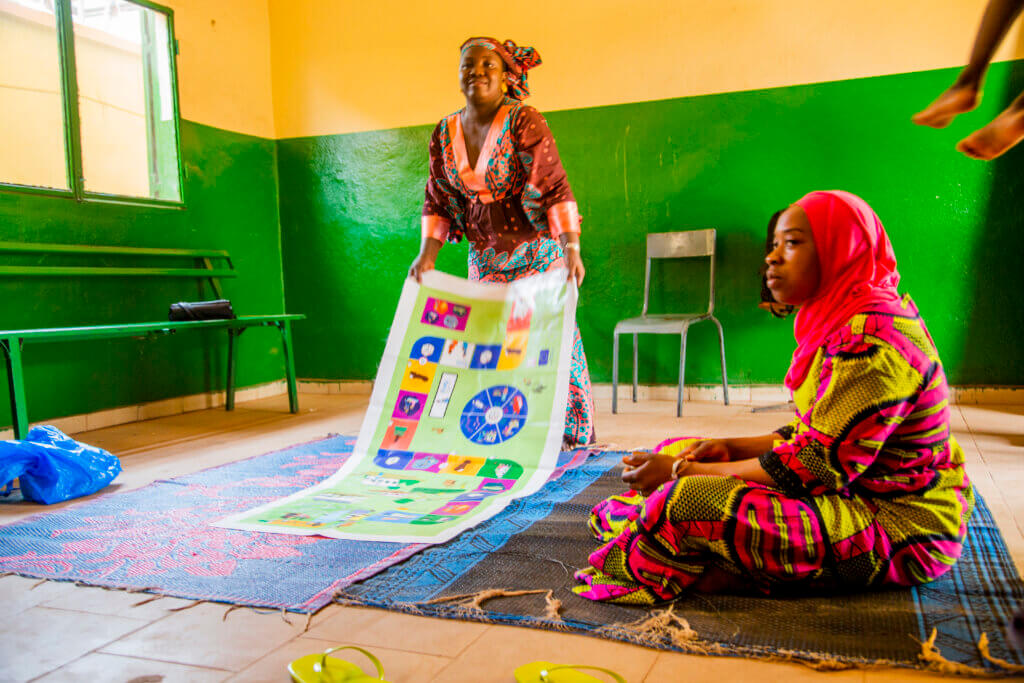
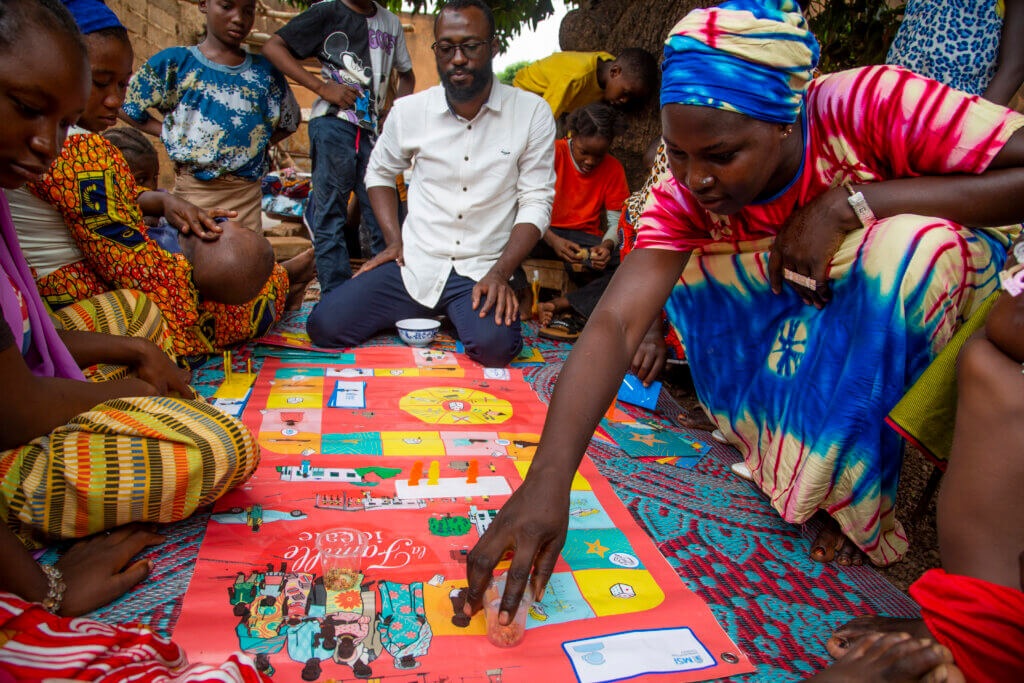
In the Sahel region of Africa, we created a suite of tools called La Famille Ideale, including a board game and conversation cards. We wanted to stimulate conversations among men and women about the role of contraception in supporting healthier, more successful families.
In these communities, young married women might not have much decision-making power. By engaging their husbands, we knew we could create a community dialogue that gave more women the chance to choose contraception.
Step two: Targeted mobilization to reach those otherwise left behind
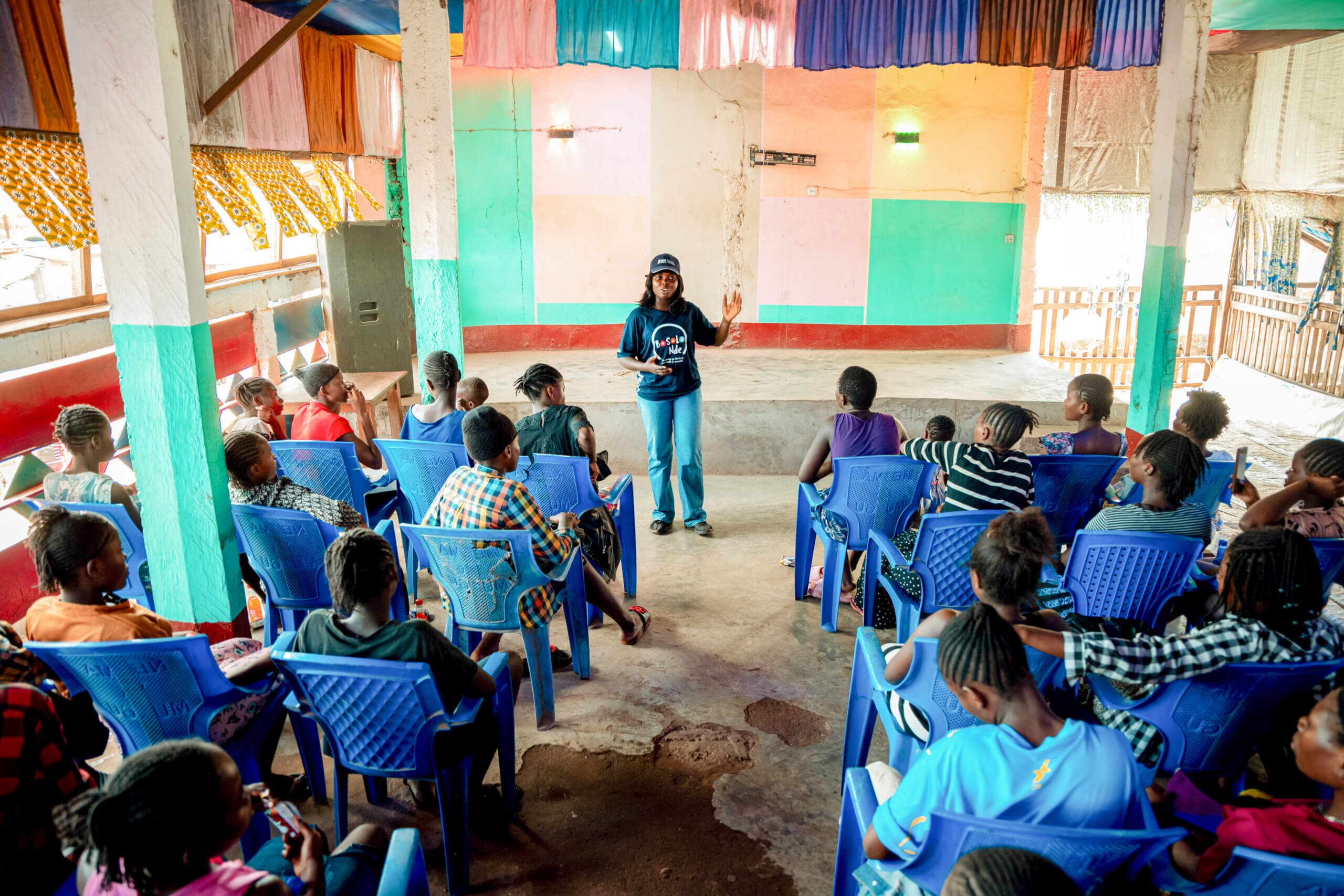
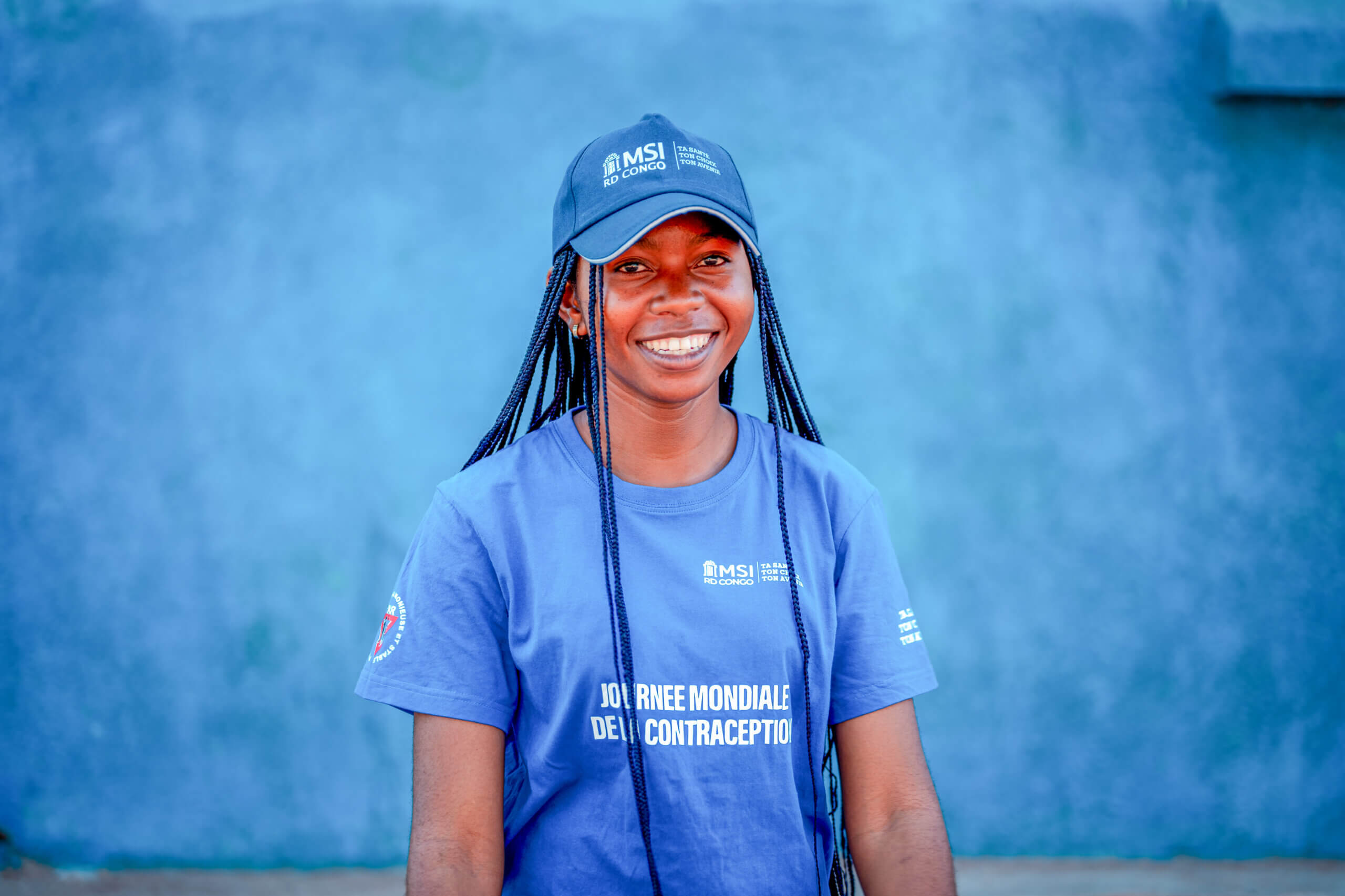
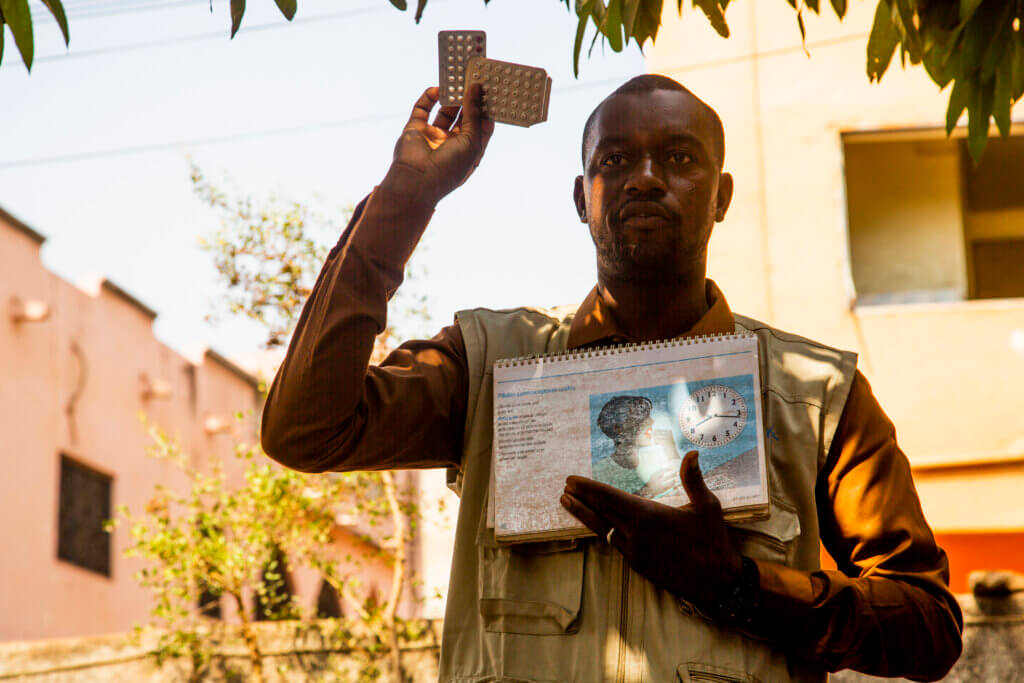
Community-based mobilisers (CBMs) are a critically important information source for those living in poverty, people with little schooling and people without access to the public health system. These community health volunteers play a crucial role in raising awareness—so we focus on equipping them with the tools to talk about contraception.
Community-based mobilizers can help raise awareness and dispel myths about contraception, announce upcoming visits by outreach teams, and refer women for services.
Over 80% of outreach clients hear about services from a CBM, and service sites with active mobilizers serve 56% more clients than those without. We created a mobile app called Community.Connect to equip mobilizers with accurate information and guide conversations about contraception.
Step three: Satisfied clients drive change
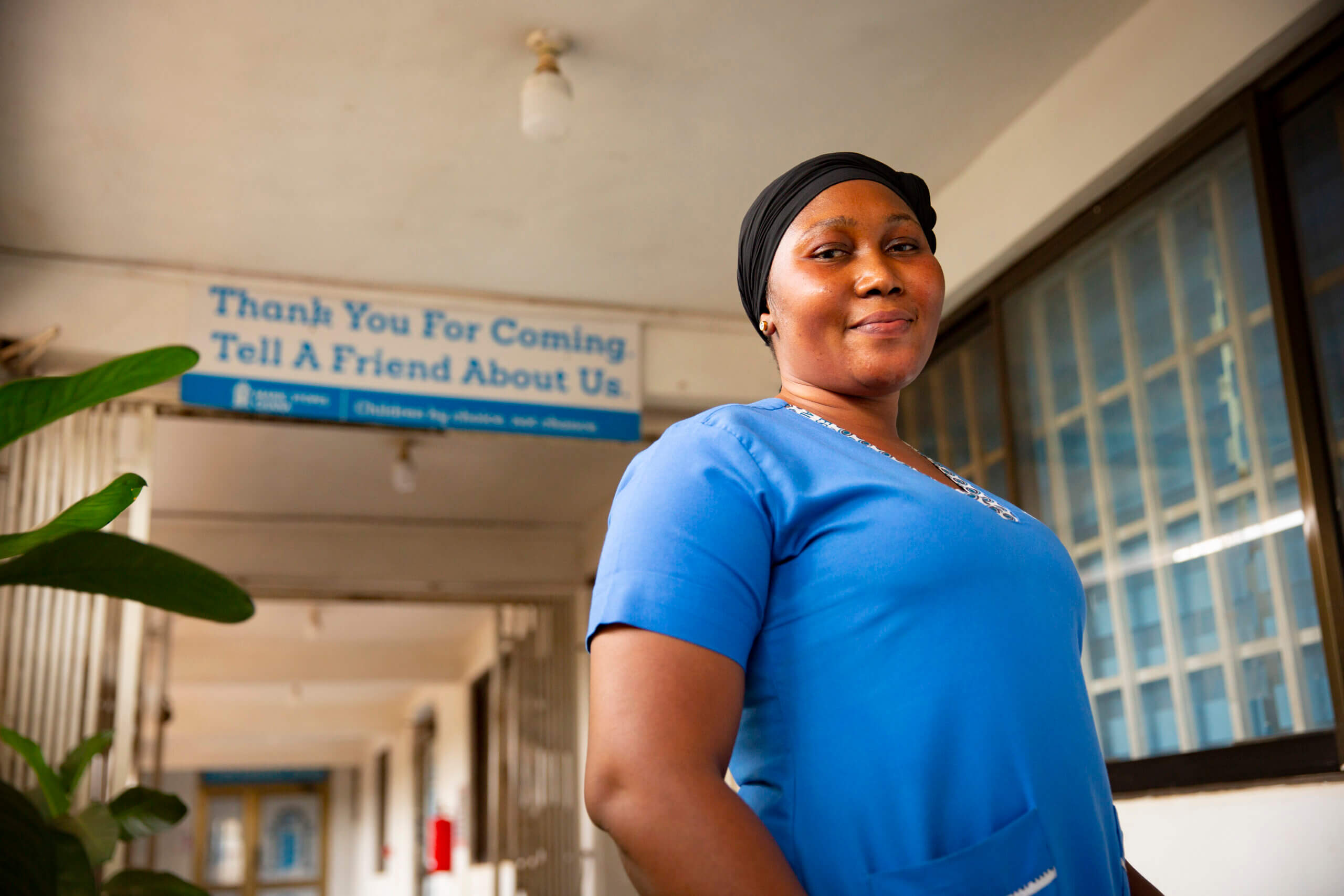
Our best advocates are satisfied clients. In fact, 25% of adolescents and women without children using contraception for the first time told us a personal recommendation was their most important source of information.
Personal referrals are especially important for more skeptical groups, like women who haven’t yet had children. Hearing about contraception from a trusted friend speaking from personal experience makes a difference for women considering whether to start contraception.
Typically, MSI sees a limited number of ‘early adopters’ on the first 2-3 visits to a site. After that, demand for services increases significantly—which leads to more community conversations, creating its own momentum.
In outreach service sites in rural Niger, where MSI expanded operations 3 years ago, the number of women and girls taking up family planning services has doubled, from 15 per team per day to 30 per team per day in just the last 18 months. In a major change, 80% of clients now tell us that their community supports and encourages modern contraceptive use.
The result: More women can choose their own futures
We invest so much into engaging with and educating communities because we know that when women have access to contraception, the results are life-changing.
By changing the conversation around contraception – through community engagement, trained volunteers, and personal connections with satisfied clients – we build trust, so that women feel confident coming to us to talk about their hopes and plans for their families.
One conversation at a time, we can create a world where every woman who wants contraception can access it.