


US to destroy $9.7 million in contraceptives
Update: On Thursday, Sept. 11, the New York Times reported that the US government had destroyed $9.7 million worth of USAID contraception.
But Friday morning, the New York Times has published an update, reporting that the products are still being held in a warehouse in Belgium and are yet to be destroyed.
These contraceptives could still be saved, and MSI and partners will be doing everything in our power to facilitate this.
“What kind of person doesn’t support reducing waste, fraud and abuse in government spending?” – The White House, March 2025
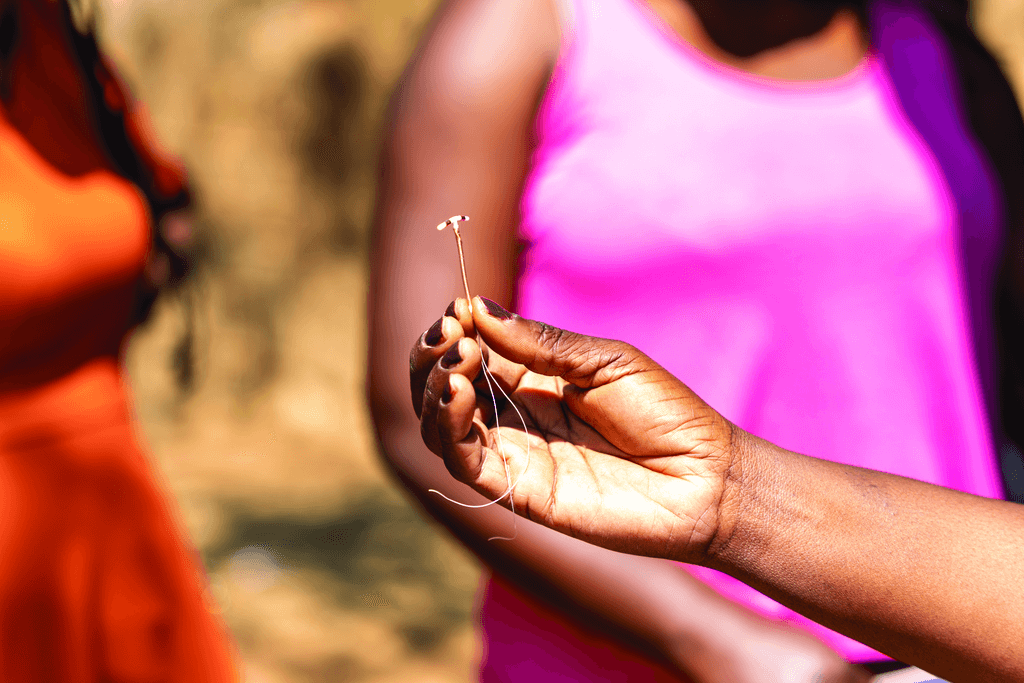
Earlier this summer, shocking news emerged: the Trump Administration plans to destroy $9.7 million of U.S. taxpayer-funded contraceptives—long-acting IUDs, implants, and pills—intended as foreign assistance. The supplies are stuck in a warehouse in Geel, Belgium. Instead of distributing these life-saving products, they are being shipped to a medical‐waste facility in France for destruction.
What Was Planned—and What’s at Risk
The contraceptives were intended for vulnerable women in low-income countries, particularly in sub-Saharan Africa, including crisis zones, refugee camps, and adolescent outreach centers. The supplies have shelf lives extending well into 2027–2031—yet, despite being fit for use, nearly a decade ahead of expiration, they are being destroyed.
MSI Reproductive Choices offered to purchase, repackage, and manage logistics at our expense, ensuring the products reach those in need. These efforts were repeatedly rejected.

Scale of Impact and Human Cost
These contraceptives represent nearly 20 percent of the annual U.S. foreign contraceptive aid—critical supplies for preventing unintended pregnancies, maternal deaths, and unsafe abortions. Though exact numbers of affected women are not specified, aid experts warn that halting this aid creates serious shortages. MSI reported stockouts in at least 10 countries, including Burkina Faso, DRC, Mali, Kenya, Nigeria, Senegal, Tanzania, Ethiopia, Timor Leste, and Sierra Leone.
Health experts estimate that disruptions in family planning could contribute to unsafe pregnancies, maternal mortality, and thousands of abortions. MSI’s Sarah Shaw emphasized:
“This is clearly not about saving money. It feels more like an ideological assault on reproductive rights, and one that is already harming women.”
U.S. lawmakers, including Senators Jeanne Shaheen and Brian Schatz, introduced legislation to halt the destruction. But lawmakers acknowledge that these efforts are unlikely to succeed in time.
Unnecessary Costs, Political Motives
Destroying nearly $10 million in contraceptives is costly not just in humanitarian terms, but financially as well. Destruction costs the U.S. an estimated $167,000, a squandered expense atop the lost supplies.
The result is waste and lost opportunities to support global health and women’s empowerment—a core mission of MSI.
Why This Matters to MSI and Our Mission
MSI Reproductive Choices has a long and proud history of defending reproductive rights and expanding access to reproductive healthcare regardless of who is in the White House. This destruction of supplies exemplifies how political ideology can undermine global health and derail our common goal: ensuring every woman can plan her future, safely and with dignity.
How can you take action?
- Raise awareness about the global health impact.
- Support MSI’s mission, which champions equitable family planning access worldwide.