


MSI Ethiopia contributes to adolescent-inclusive sexual health guidelines

September 17, 2025
The MSI Ethiopia team advocated for adolescent sexual and reproductive health education and services in efforts to reduce teenage pregnancy in Ethiopia.
Teenage pregnancy remains a pressing challenge in Ethiopia, threatening the health, education, and future potential of millions of adolescent girls. In response, the government has launched the teenage pregnancy reduction road map, designed to guide policy advocacy, implement programs, and increase resource availability. It sets an ambitious target: reducing the teenage pregnancy rate from 13% to 3% by 2030. The road map aims to protect adolescent girls’ access to age-appropriate, culturally sensitive, and equitable sexual and reproductive health education and a full range of contraceptive options.
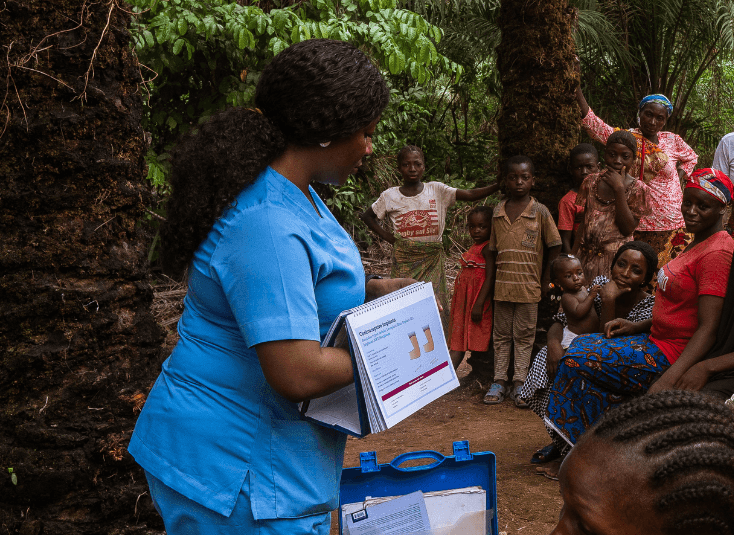
MSI Ethiopia provided technical expertise in adolescent sexual and reproductive health, particularly in designing adolescent-friendly service approaches, and providing extensive guidance on contraception and community-based interventions. They also influenced the road map by advocating for youth-centred, rights-based approaches, and ensuring the inclusion of marginalized groups, notably rural and pastoralist adolescents. MSI Ethiopia’s service delivery models such as mobile outreach and adolescent-responsive programs served as benchmarks for expanding access to contraceptive services in underserved areas. The team also promoted engagement with private facilities through training, job aids, and commodity support to ensure adolescent-friendly service delivery.
How MSI Ethiopia helped to shape the roadmap:
Participation: The team participated in key national technical working groups discussing adolescent and youth health, reproductive health/family planning, and advocacy & communications. Through these platforms, they consistently advocated for teenage pregnancy to be recognised as a national priority.
Partnerships: Their consultations and follow-up discussions with the Ministry of Health was also critical in shaping and advancing the teenage pregnancy reduction road map. Their partnerships with Regional Health Bureaus and UN agencies also ensured multisectoral input and alignment with local needs.
Youth Engagement: National Youth Council members were involved in consultations, validation workshops, and the road map launch. Their lived experiences shaped the road map’s priorities and interventions.
Evidence-based advocacy: MSI Ethiopia leveraged national and global data to highlight the urgency of teenage pregnancy and the effectiveness of adolescent-friendly sexual and reproductive health services.
MSI Ethiopia is now using the roadmap to advocate for appropriate sexual education in schools and adolescent-friendly reproductive health services.