


Advocating for What’s Right
Why advocacy matters so much.
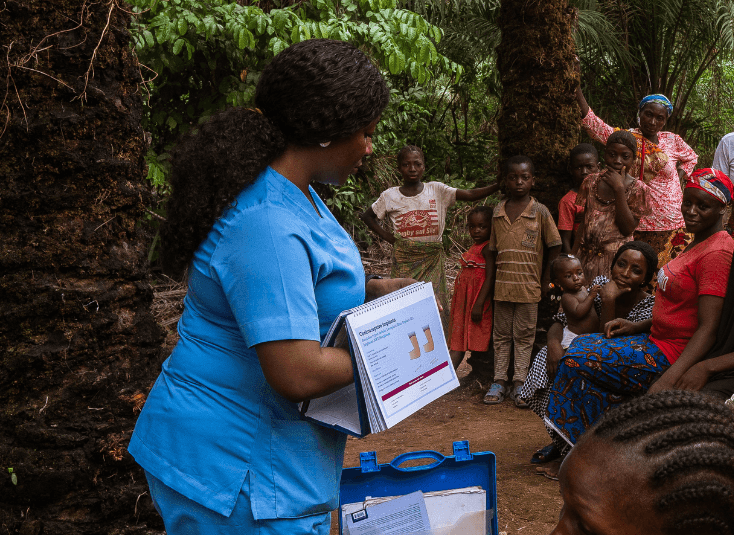
MSI’s advocacy work is often less visible than the direct delivery of contraception, abortion care, and reproductive healthcare services. But without advocacy, many of those services would simply not exist, or would remain out of reach for the women and girls who need them most.
In 2025, donor funding helped MSI Reproductive Choices and our partners contribute to 16 major policy and regulatory changes across Africa, Asia, and beyond, helping expand access to reproductive healthcare, strengthen health systems, and defend hard-won rights.
These victories came at a time when reproductive freedom is under growing pressure worldwide. Across many countries in Africa and Asia, women and girls still face enormous barriers to accessing contraception and safe abortion care: restrictive laws, political opposition, misinformation campaigns, shrinking civic space, and chronic underfunding of healthcare systems. In some places, anti-rights groups are actively working to roll back access to essential services and intimidate healthcare providers and advocates.
That is why advocacy matters.
Service delivery can meet today’s urgent needs. Advocacy changes the systems that shape tomorrow’s access.
Success around the world.
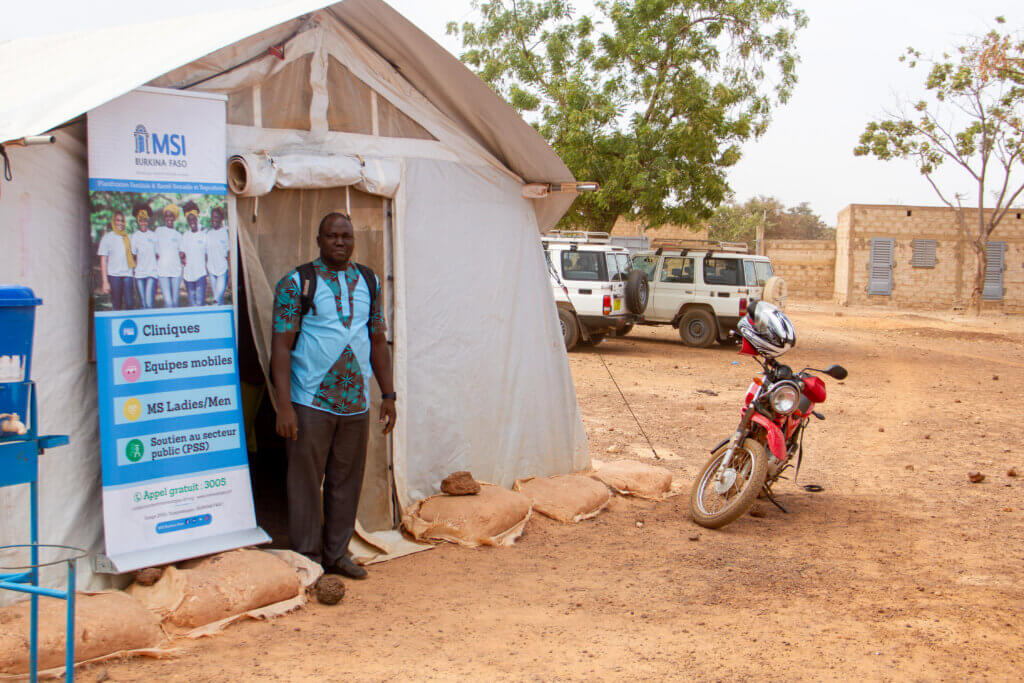
Last year’s successes demonstrate the power of sustained, locally led advocacy. In Burkina Faso, MSI supported the approval of regulatory guidance to operationalize the country’s abortion law, helping turn legal rights into practical access to care.
In Uganda the government reinstated post-abortion care guidelines, after withdrawing them a decade earlier.
Post-abortion care guidelines were updated in Kenya to be more aligned with World Health Organization recommendations. In Zimbabwe, the government increased its budget allocation and expenditure on family planning.
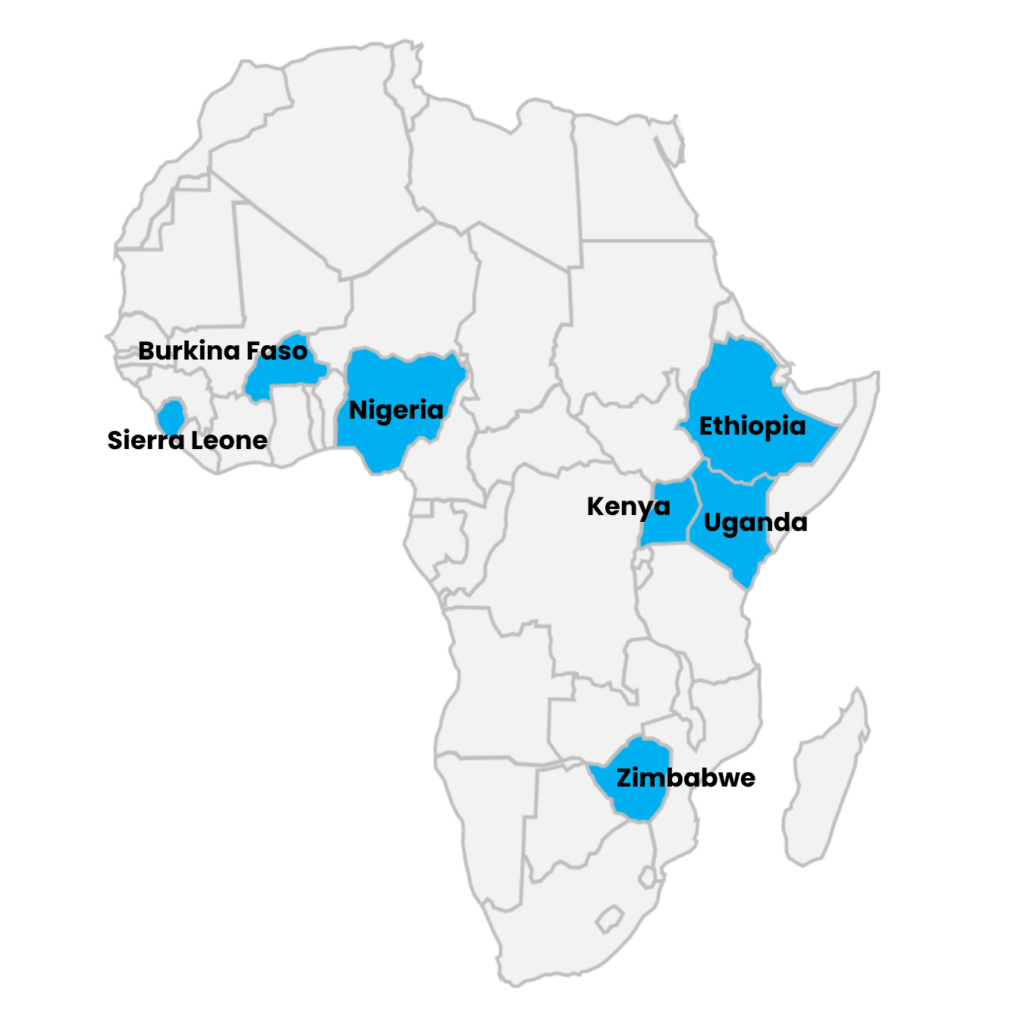
Other wins focused on adolescents and underserved communities. Ethiopia approved new reproductive health guidance for high school students and integrated comprehensive abortion care training into university curricula for health care providers. Sierra Leone adopted a Teenage Pregnancy Roadmap designed to improve access to adolescent services. Nigeria approved a new national strategy advancing sexual and reproductive health rights for people with disabilities and vulnerable populations.

Advocacy is a long game.
Many of these changes took years of persistence, coalition-building, and partnership with governments, civil society organizations, and healthcare providers. Advocacy is rarely fast or straightforward, but its impact can be transformative and long-lasting.
These policy changes help ensure that MSI’s services are not isolated interventions, but part of stronger, more resilient healthcare systems that can reach more people, more equitably, for years to come.
Along with delivering services, reproductive healthcare is about protecting rights, changing systems, and ensuring every woman and girl can make decisions about her own body, future, and life.