

A day at Kalilou Fofana Public High School
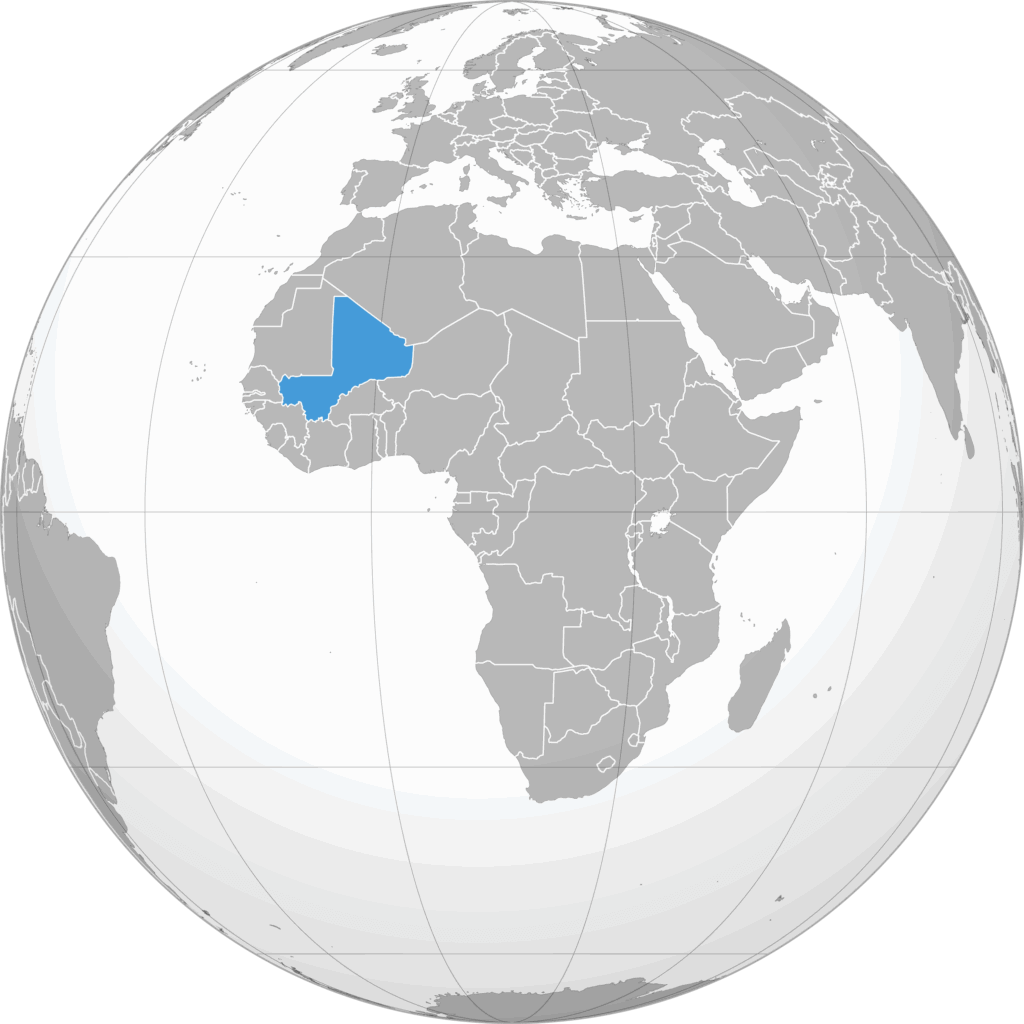
On a sunny morning in late summer, MSI team members arrived at Kalilou Fofana Public High School in Bougouni, a town in southern Mali.
Tucked behind a high gate shaded by tall trees, the school is full of young people with big dreams. An unplanned pregnancy could derail their carefully made plans—and that’s why, today, MSI is visiting to share information about how to prevent pregnancy.
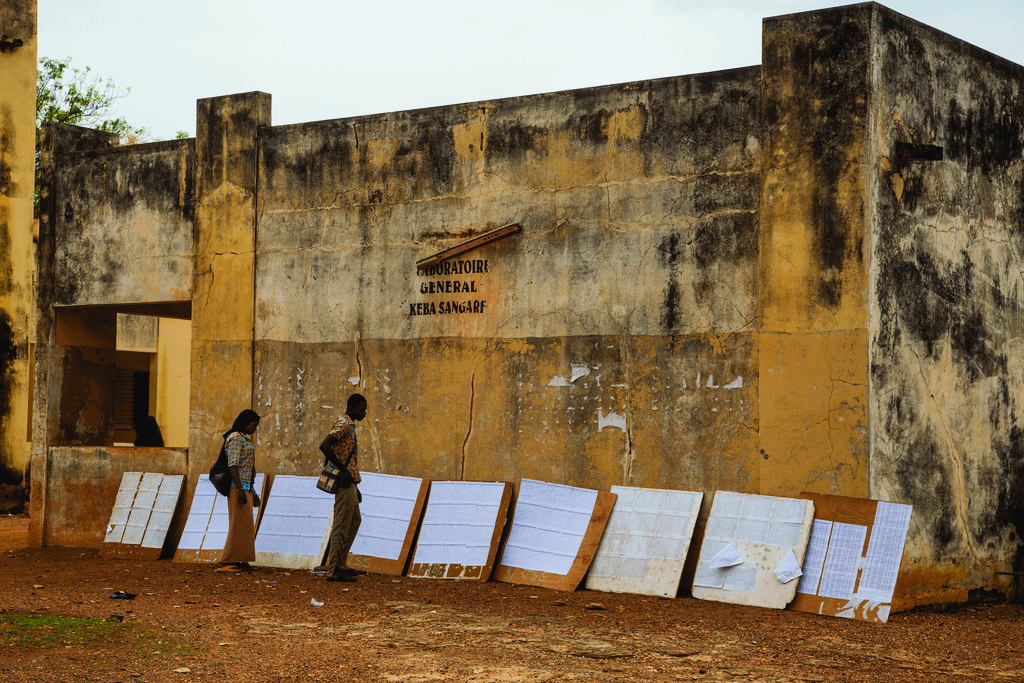

This information is a serious lifeline for young people. An estimated 21 million adolescent girls become pregnant each year, and 12 million give birth. In sub-Saharan Africa alone, up to four million teenage girls drop out of school or are excluded every year due to teenage pregnancy.
MSI team member Lassana Farota led an energetic session with a classroom full of high schoolers in blue-and-yellow uniforms. He answered questions and addressed misconceptions, giving young people the tools they’ll need to control their own bodies.
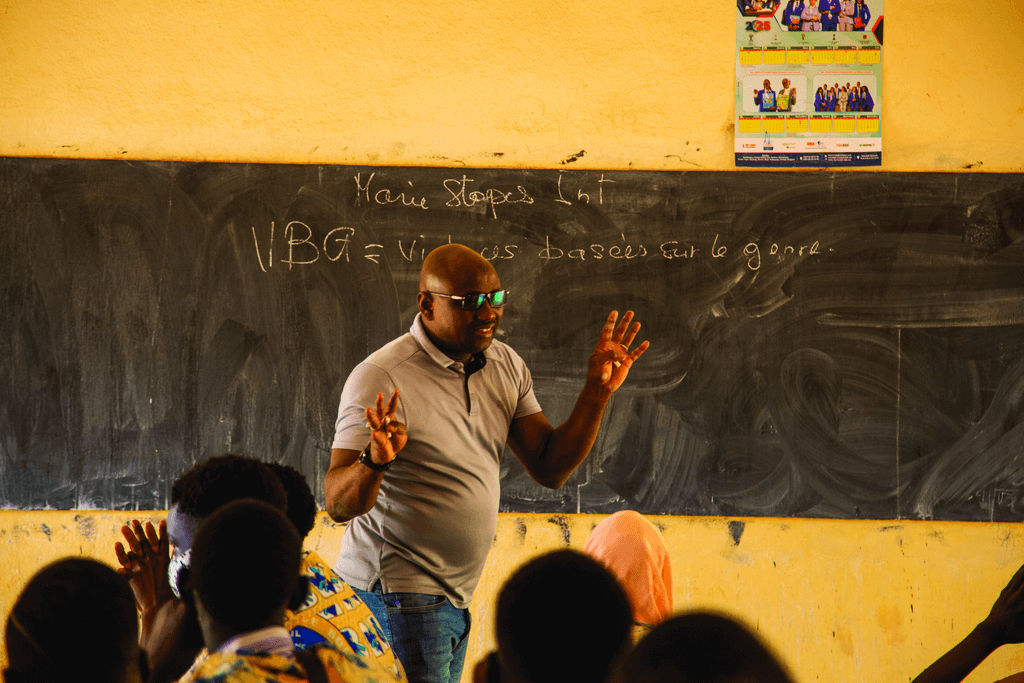
Many of these young people have big plans for the future. We spoke to Oumou, who advocates against gender-based violence in her community, and Gali, who’s studying for a career in science.
Preventing teen pregnancy matters for both young men and young women—but the truth is, for girls, the stakes are often higher. Adolescent pregnancies come with twice the risk of complications compared to pregnancy in adult women. And in most African countries, pregnancy-related causes like hypertension, infection and unsafe abortion are the leading cause of death for girls aged 15-19.
On the other hand, the benefits of avoiding pregnancy and continuing education are uplifting. Education enables girls to earn higher incomes as adults. In fact, each additional year of education can increase a woman’s earnings by up to 20%. Boosting women’s earnings helps pull women, their families and their communities out of poverty.
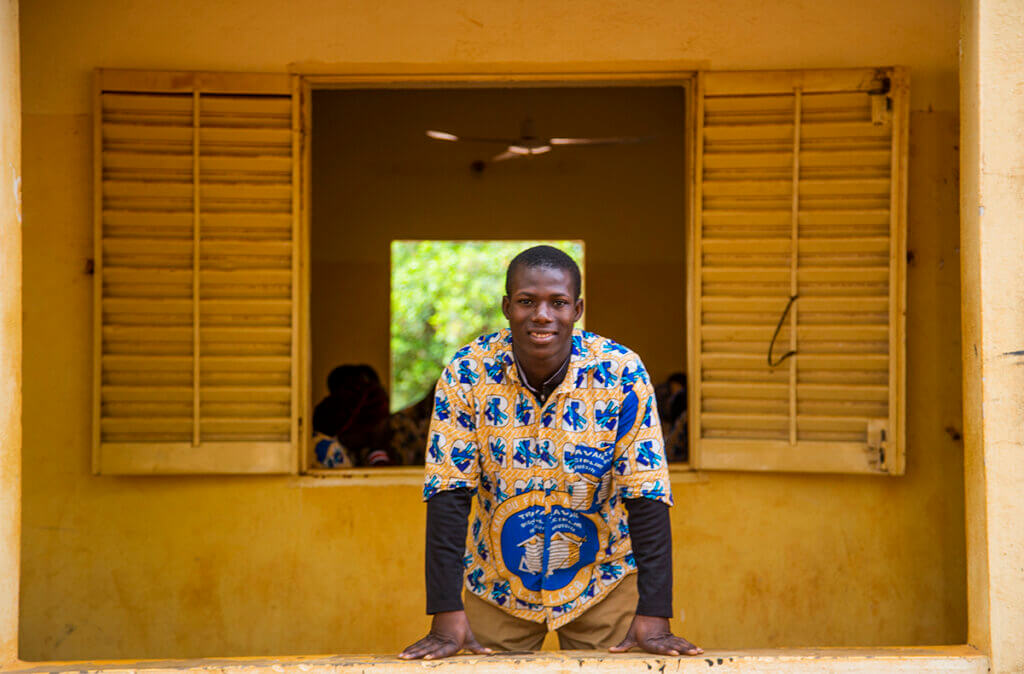
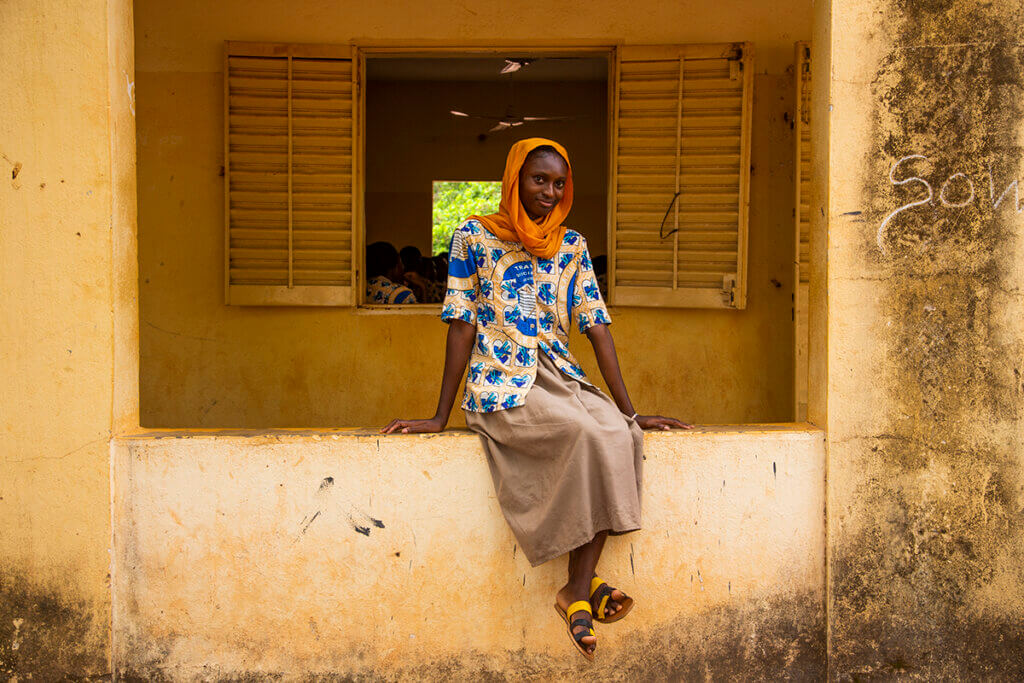
For the students at Kalilou Fofana Public High School, who now know where to go for the contraception they want, the future is bright. Equipped with knowledge and access to sexual and reproductive healthcare, they can focus on achieving their dreams. Support from donors in the United States who care about choice makes that possible.