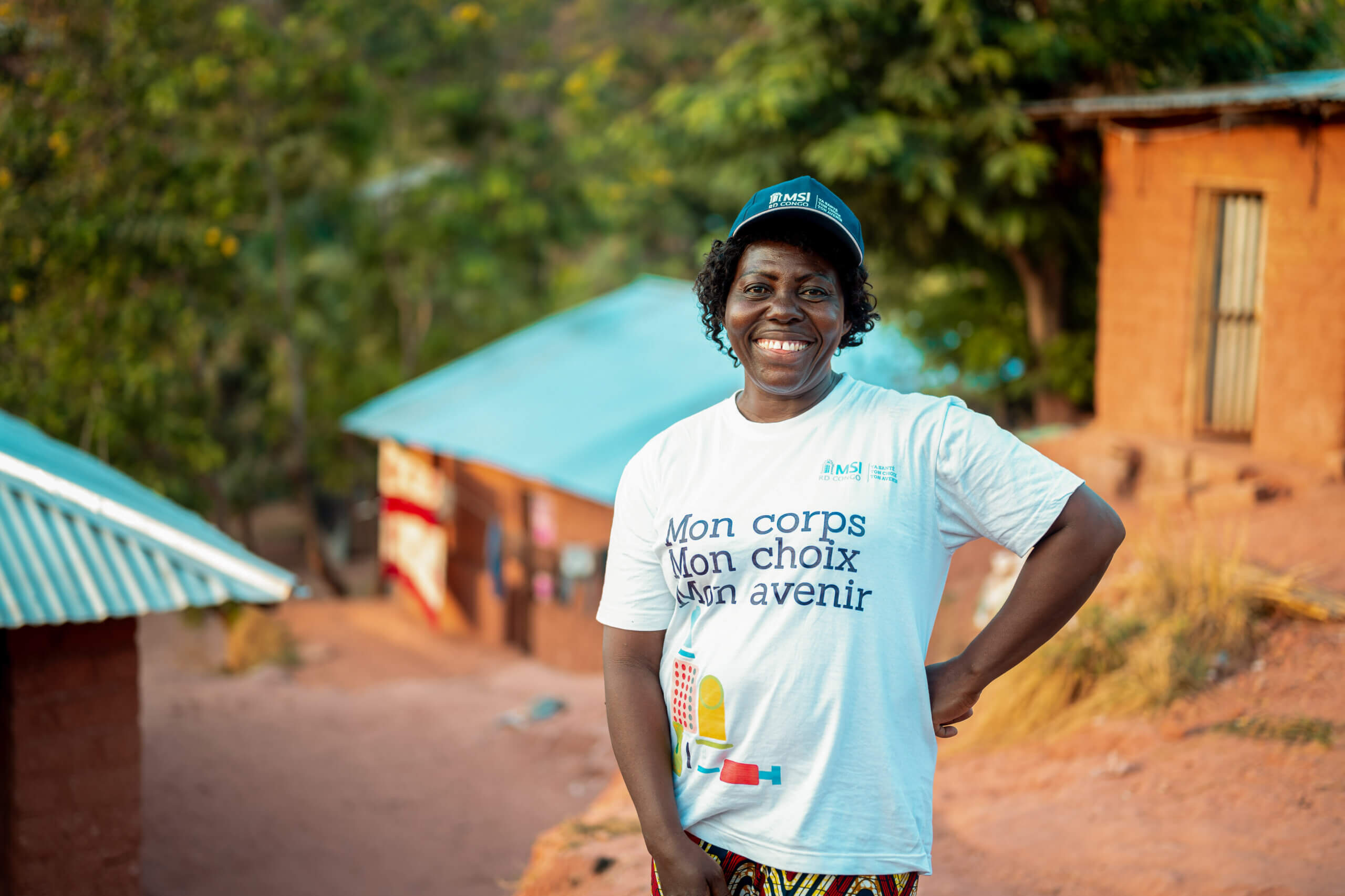


How choice advances gender equality
Gender equality isn’t possible without reproductive choice.
Only 57% of women around the world can make their own decisions about sex and reproductive health. That’s not equality. It’s a shocking failure that keeps women from achieving their full potential.
Women and girls are denied agency over their own bodies—and to make matters worse, far too many don’t have the access to the care they need to manage their reproductive health. That means their futures are out of their hands.
To achieve gender equality, women need reproductive healthcare. It doesn’t just protect women’s health and save their lives. It has a ripple effect: Girls can stay in school, women can build careers, and women have the chance to lead in their communities. Choice is the gateway to gender equality.
Choice saves women’s and girls’ lives
Without access to contraception or safe abortion, women are often forced to resort to desperate and unsafe measures when they face an unintended pregnancy. Almost half of abortions are performed through dangerous methods – with women risking long-term health complications and their lives.
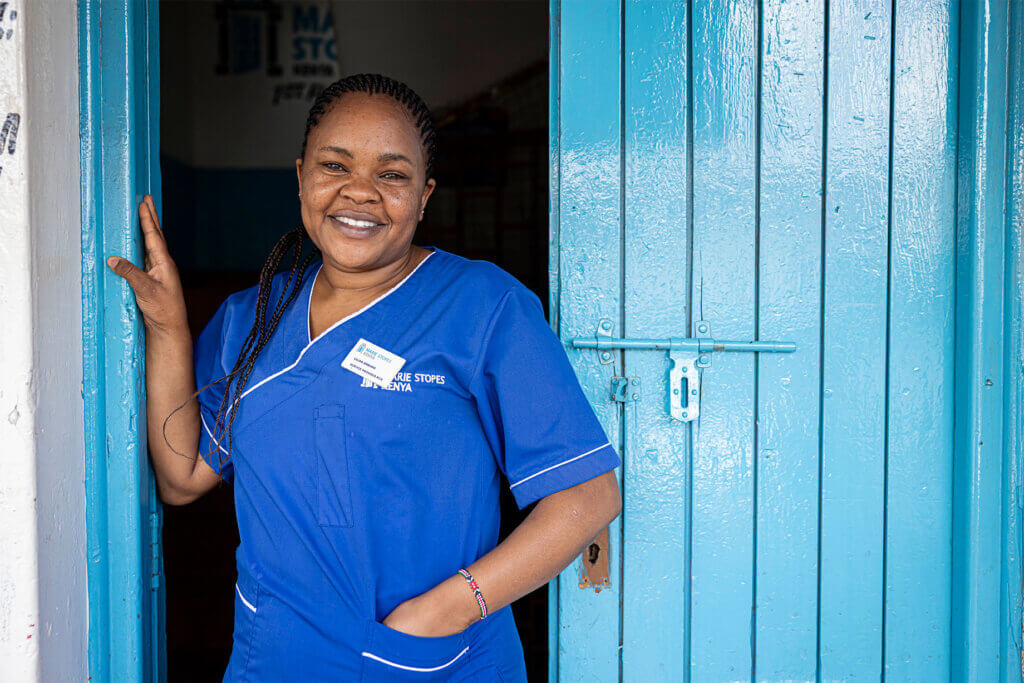
Esther, an MSI doctor from Nairobi, Kenya, told us: “My sister’s friend died from an unsafe abortion when she was just 15 years old. She didn’t want her parents to know she was pregnant, but the drugs she was given failed. When she got to the hospital there was nothing they could do.”
Esther decided to become a doctor because she saw how reproductive healthcare saves lives. Because of dedicated healthcare providers like her, MSI’s teams saved 42,000 lives last year.
Choice keeps girls in school
Worldwide, far too many girls are robbed of the chance to finish their education. Every year in sub-Saharan Africa, up to four million teenage girls are forced out of school because they are pregnant. In Niger, only one in 100 girls will finish secondary school. Unplanned pregnancies are a major factor in that statistic. It’s not uncommon for girls to become pregnant before they’ve received any sex education.
For true gender equality, girls need to have the same chance at finishing school as boys. That means comprehensive sexuality education at an early enough age to change the statistics, and access to modern contraception.
The impact stretches far beyond the classroom. Just one additional year of education can increase a girl’s future earnings by up to 20 percent. To achieve gender equality, girls need the choice that will let them stay in school.
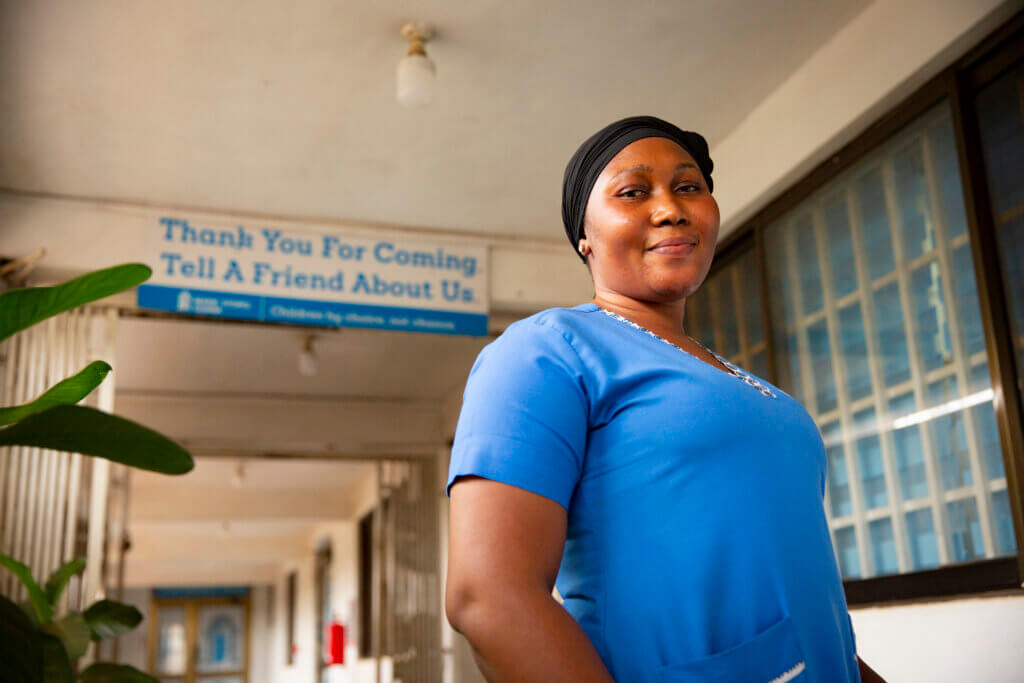
Josephine, an MSI midwife in Kumasi, Ghana, told us why choice matters for the girls she serves: “My hope is that every woman can access reproductive choice. If they are in school and can avoid pregnancy, they can continue education. If every woman has the opportunity to make choices about their bodies, there will be change. Women will have power.”
If adolescents had access to the information and services they need to make informed reproductive choices, millions more girls would remain in school, increasing their opportunities. With your help, providers like Josephine do everything they can to support young people. In 2025, MSI helped 620,000 adolescents stay in school.
Choice helps women build careers and financial independence
Denying women reproductive choice can create lasting economic hardship and continue cycles of poverty. Studies in the US found that women who were unable to access an abortion were more likely to face bankruptcy and eviction, and had increased household poverty and debt.
With control over their reproductive choices, women everywhere are more likely to have the opportunity to choose their path in life – for some, that means building a career.
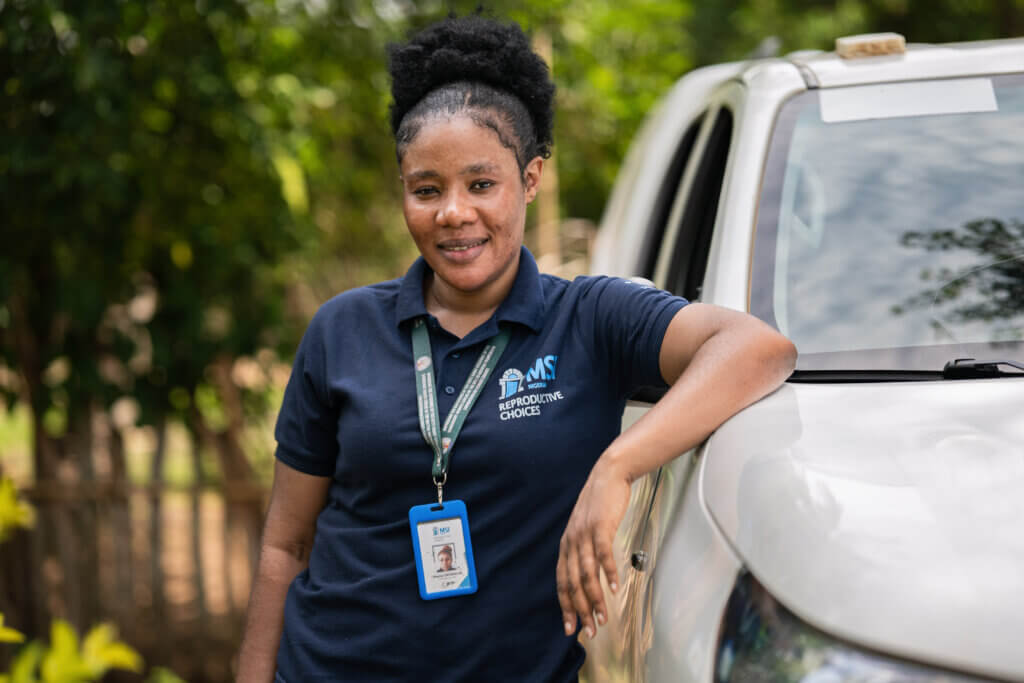
Ify, an MSI nurse from Nigeria, has seen this in her own life. “I chose to use contraception myself so I could finish my nursing qualification and have my three children when I was ready. It totally changed my life, and I want to make sure other women have that opportunity.”
Why reproductive rights are the foundation of gender equality
We cannot have gender equality without reproductive rights. When a woman can’t decide if and when to become pregnant, it puts her health and live at risk—and makes it harder for her to pursue her dreams. But when she has the ability to choose if and when she has children, she gains power over her life.
For decades now, reproductive healthcare has been transforming the world for women and girls, giving them the time and opportunities that were historically only accessed by men – like the ability to finish their education, embark on careers, and ultimately decide their own futures.
But our work isn’t finished. To achieve true gender equality, we need to make sure every woman has the reproductive healthcare she needs to control her body and her future.