
Meet a Big Sister changing lives
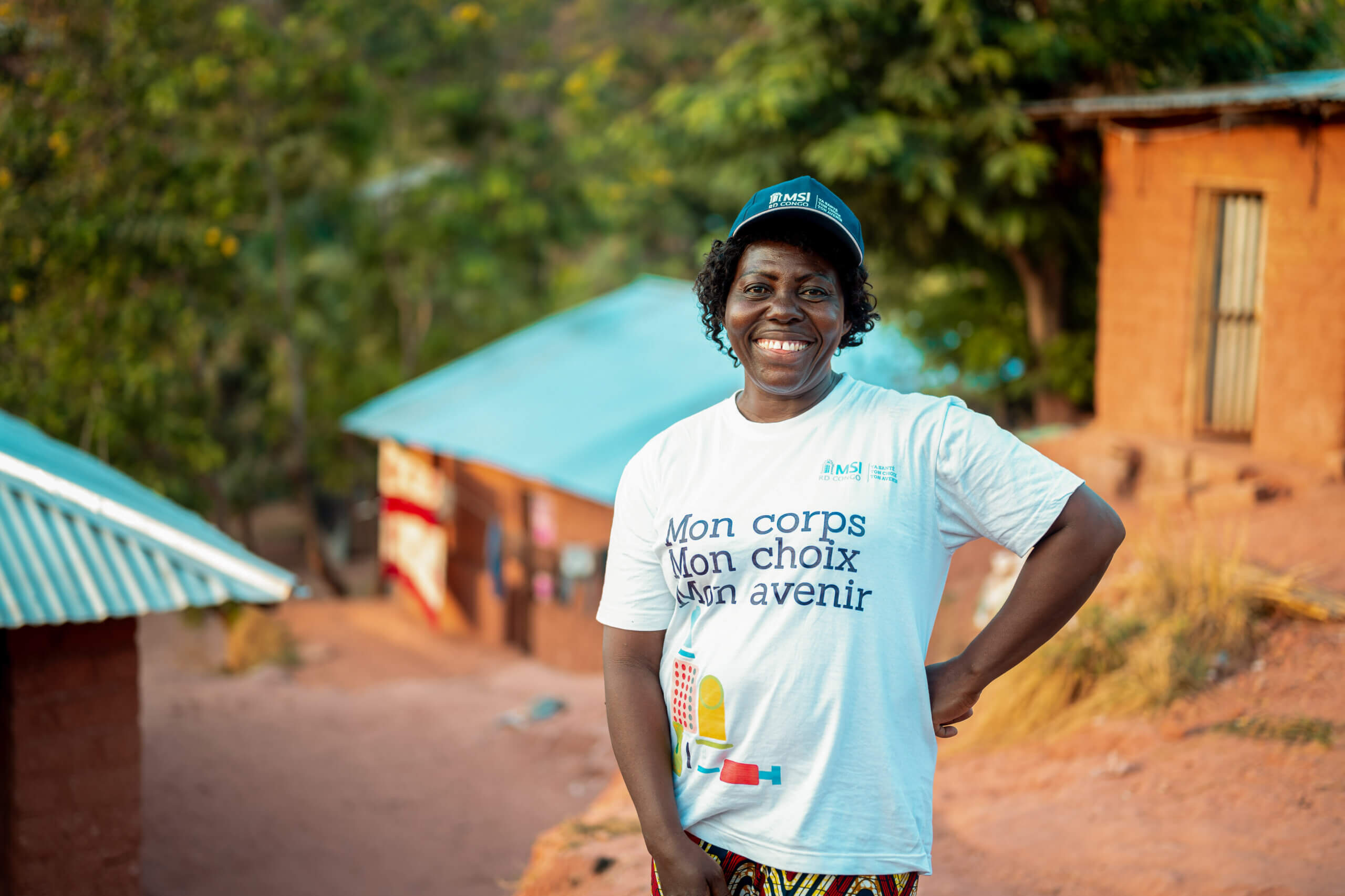
Teen girls have a lot of questions about sex and sexual health—and sometimes, it’s hard to know where to turn. That’s where MSI Big Sisters like Esther come in.
MSI Big Sisters are peer mobilizers, only a few years older than the adolescents they advise. They help spread awareness about the reproductive healthcare services available through MSI in the Democratic Republic of Congo, which has one of the highest percentages of adolescents in the world. Half the population there is under the age of 17! Millions of these young people cannot access contraception and other reproductive healthcare.
That’s why MSI Big Sisters have so much impact—healthcare providers working with a Big Sister saw 53% more adolescent client visits during a recent pilot program.
Meet Esther
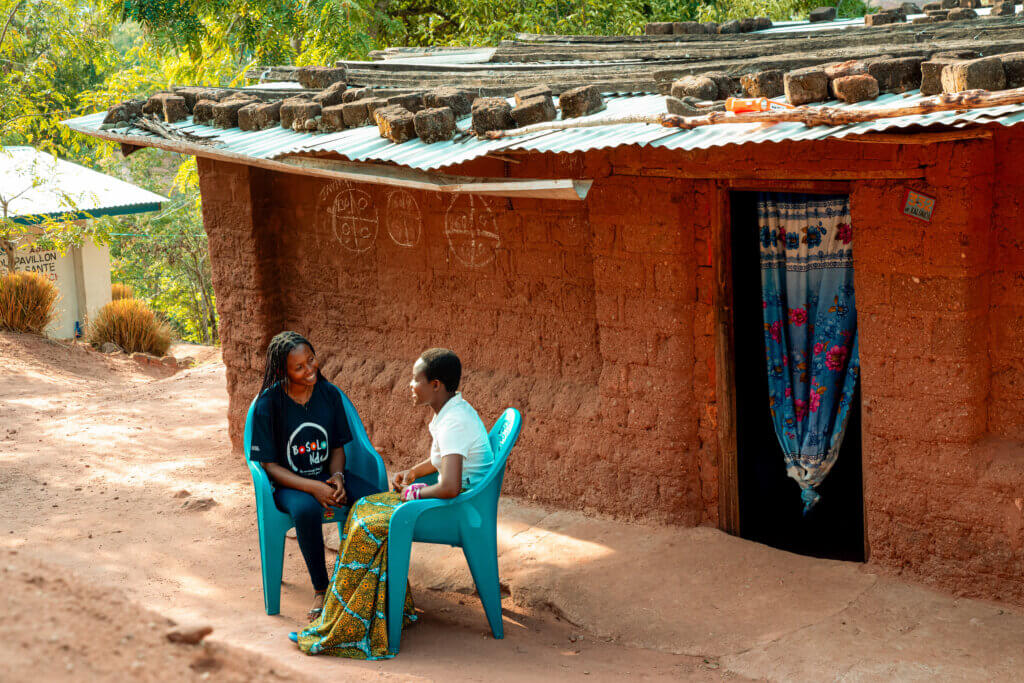
As the eldest of eight siblings, 21-year-old Esther knows a thing or two about supporting young people. She lives in Kalemie, DRC, a lakeside city in the west of the country. Where she lives, many young women her age are already thinking about marriage and children—but she’s decided that for now, she wants to focus on helping adolescent girls in her community.
“What inspired me to become an MSI Big Sister was that I saw young girls getting pregnant all the time. Then, when MSI helped the community and those young people, I told myself I should also help,” Esther explained. “If we had all stayed with our arms crossed, doing nothing and saying nothing, that young generation would be lost. That really motivated me.”
A day in the life of an MSI Big Sister
“In my work as an MSI Big Sister, I go into the community and talk with young people,” Esther told us. She might run an awareness-raising session at a local school, stop by places young people frequent on the weekends like local beaches, or even go door-to-door through the neighborhoods.
“Each day, I help about 30 to 40 adolescents. I advise them that they need to have ambitions and dreams, and at a certain age or stage of life, they might want to be with a partner, but for their safety, they should use contraception.”
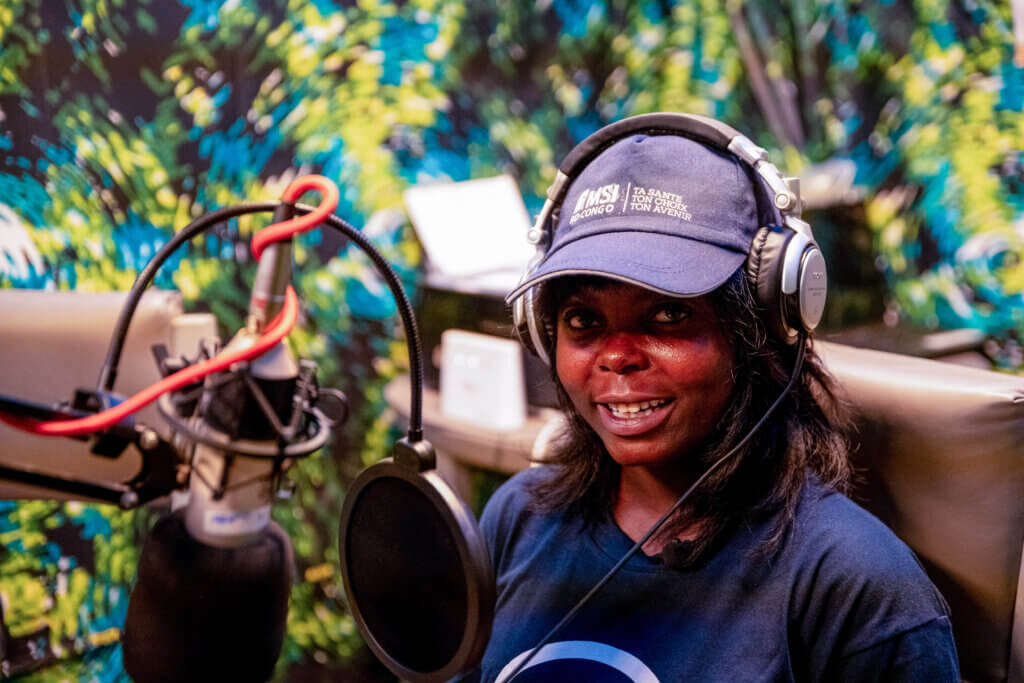
When evening falls, her work isn’t done: She heads to a local radio station, where she hosts a youth program. As a radio host, she can reach even more young people with information about their sexual and reproductive health.
Changing the conversation
Esther’s work isn’t always easy—she’s faced pushback from skeptical parents. One mother even poured water on her to chase her away when she tried to speak to her teen daughter. But the changes Esther has seen in her community have inspired her to keep going.
“I’ve really seen positive effects since women started accessing these services. For young girls, I start to see them having a broader vision. Before, girls always thought about marriage. But since accessing MSI’s services, they now think about other things.
We also saw that mortality rates among young girls and women were high. But since the introduction of contraception, the rate of unsafe abortion has really decreased and is no longer common in our community.”
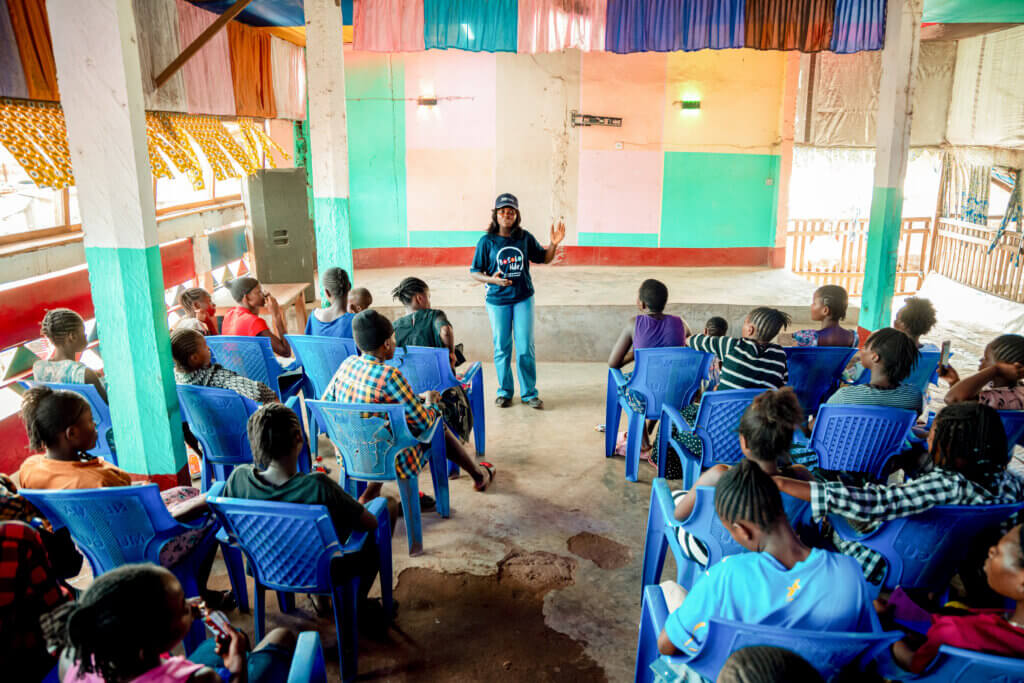
The MSI Big Sister program is an example of how MSI adapts to meet local needs. In a country with a large adolescent population, we needed an innovative way to connect young people to the care they need—and committed young women like Esther are making those connections, one teen at a time.
She’s hopeful that these positive changes will continue. “I love it so much. I really love my work. What motivates me the most is when I see young people’s lives changing, it really makes me happy and motivates me even more. I truly want to help this community, for this generation to feel saved through me.”