


Climate change and choice
How MSI Teams Are Building Resilience Across Africa
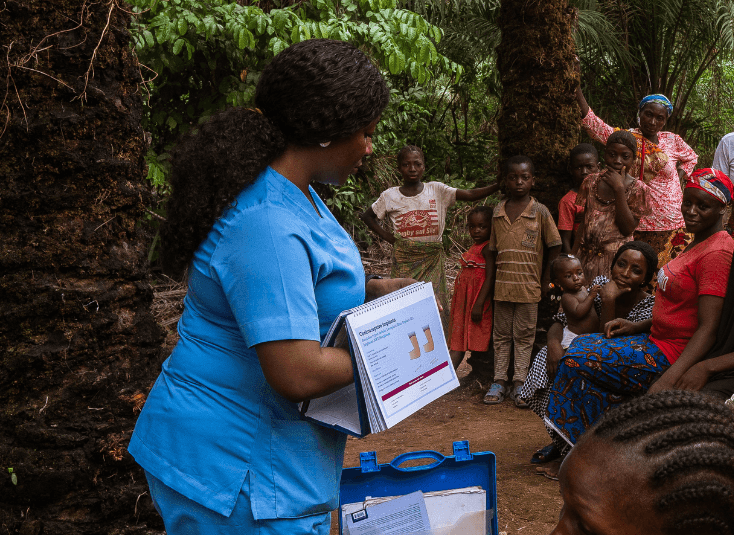
At MSI Reproductive Choices, our mission has always been clear: to ensure that every woman and girl can decide if and when to have children. But in an era of rising climate instability, that mission faces new and growing challenges. Around the world, MSI teams are adapting. They’re finding innovative ways to continue delivering life-changing care even as floods, heatwaves, and storms disrupt lives and communities. From Malawi to Sierra Leone, our teams are adapting with determination and ingenuity, proving that climate resilience is reproductive resilience.
“We’ve had seven cyclones in five years.”
In Malawi, the impacts of climate change are impossible to ignore. “We’ve had about seven cyclones in the past five years, along with extreme heat waves,” says Wesley Nkosi from MSI Malawi.
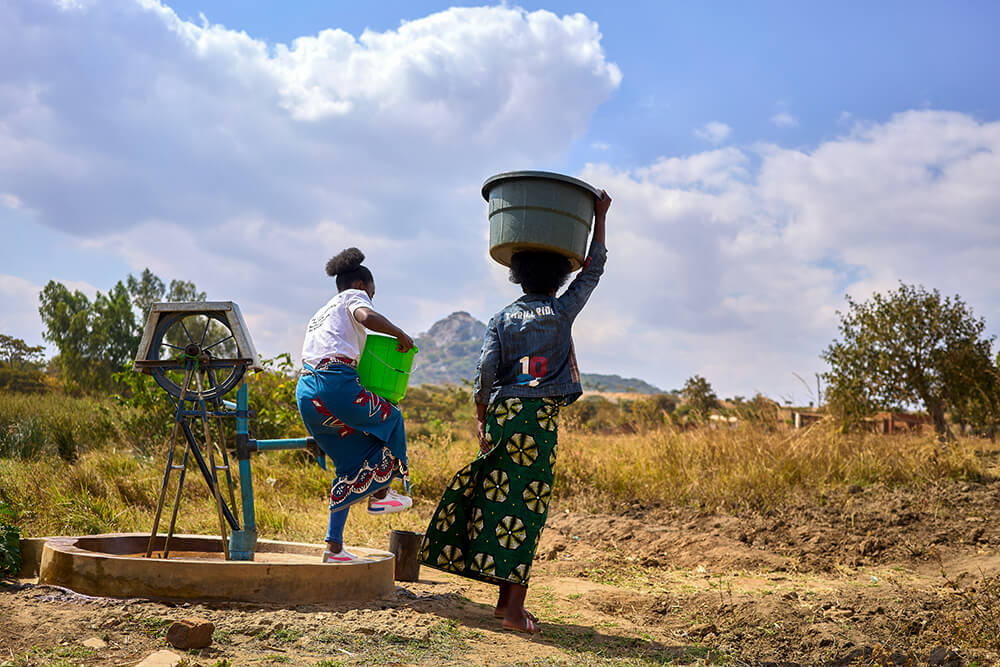
Cyclones and floods have destroyed roads and bridges, isolated communities, and disrupted access to care. “Client turnout was low during the storms,” Wesley explains. “People were displaced into camps or resettled entirely. We had to rethink everything.”
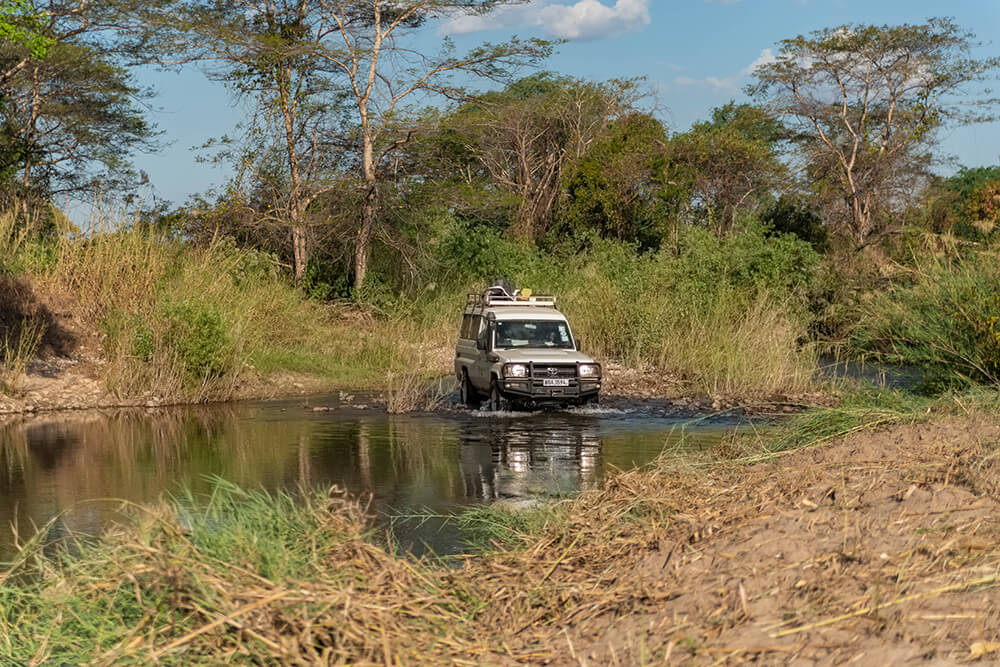
MSI’s outreach teams quickly adapted. They redesigned schedules, rerouting through safer terrain, and found new ways to reach clients in cut-off regions. “Even when the bridges are gone,” Wesley says, “we find a way.”
When climate disasters disrupt care, women pay the price
For Edward Joseph Benya from MSI Sierra Leone, climate emergencies reveal how deeply linked reproductive health and resilience truly are. “When disasters strike, access to contraception and care disappears,” he explains. “Girls on short-term methods become vulnerable. Without these services, we see spikes in teenage pregnancy and exploitation.”
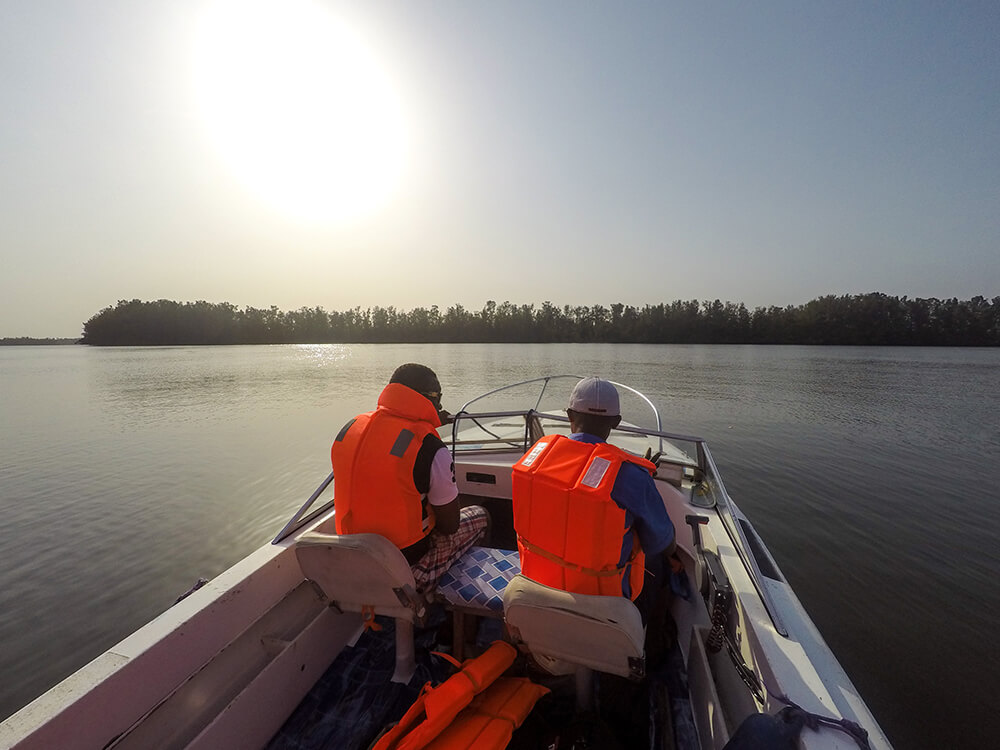
To prepare, the teams in Sierra Leon have acquisitioned solar panels as an alternative power supply. They have also stocked tents for makeshift outreach centers, and support pre-positioning of contraception in certain places. That way, supplies are available even when floods and mudslides wash away roads.
Edward believes donors and policymakers must see sexual and reproductive health (SRH) as life-saving in crises, not an optional service. “If we fail to provide care in an emergency, the consequences can last generations.”
Linking family planning and climate resilience
Many donors who are interested in climate-related causes recognize the importance of reproductive choice to people and communities on the frontlines of climate change. With farming and other agriculture-based livelihoods compromised by climate change, women are anxious to have the control that access to contraception offers as they plan their families. Sonja van Reede, MSI’s Global Humanitarian Lead, notes that MSI’s work is about resilience, helping communities recover and thrive. She says: “MSI’s work clearly strengthens communities’ ability to withstand shocks as well as to adapt and rebuild.”
A shared challenge and opportunity
For Alison Saunders, MSI’s Environmental Sustainability Lead, climate resilience is now central to MSI’s future. “Our focus has been on reducing harm, like cutting emissions, but sustaining our services in a changing climate is just as vital,” she says.
Alison urges MSI teams around the world to share what’s working across countries and to weave climate resilience into every part of planning. “We’ve seen the ingenuity and courage of our teams,” she said. “It’s wonderful to see that resilience is part of who we are as an organization.”
At MSI Reproductive Choices, we know that when women can access care, no matter the weather, they can protect their health, their futures, and their power to choose.