

Family Planning Changes Lives
Every person deserves the ability to decide whether and when to have children.
Family planning includes the information, contraceptive methods and services that enable people to make informed choices about whether and when to have children. Research shows that investing in family planning is one of the most cost-effective ways that societies can improve health, education, gender equality, and economic development. This page offers a review of what the research shows and why it matters.
The Economic Effects of Contraceptive Access: A Review of the Evidence – Institute for Women’s Policy Research (opens in a new tab)
What Is Family Planning?
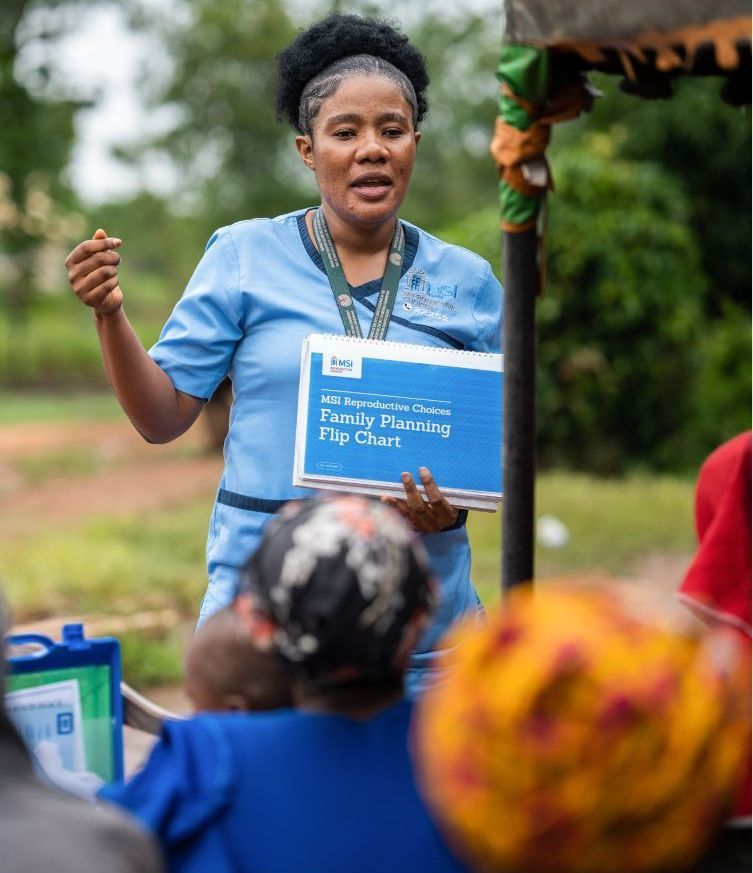
Family planning enables individuals and couples to determine the number and spacing of their children through access to accurate information, high-quality reproductive healthcare, and a range of contraceptive options. Hundreds of millions of women worldwide still lack access to these modern contraceptive methods. As a result, millions experience unintended pregnancies. The consequences can be severe: limited educational opportunities, reduced economic security, increased health risks, and perpetuated cycles of poverty.
Family planning/contraception methods – World Health Organization (opens in a new tab) Adding It Up 2024: Investing in Sexual and Reproductive Health in Low- and Middle-Income Countries – Guttmacher Institute (opens in a new tab)Why Does Family Planning Matter?
The ability to control if and when to have children affects nearly every aspect of a person’s life.
When women and girls can access contraception:
- Maternal deaths decline
- Unsafe abortions decrease
- Infant and child health improves
- Girls stay in school longer
- Women participate more fully in the workforce
Family Planning Saves Lives
Pregnancy and childbirth carry risks, particularly in settings where healthcare systems are under-resourced. Access to contraception helps women avoid unintended pregnancies and reduce exposure to pregnancy-related complications.
Effect of maternity care improvement, fertility decline, and contraceptive use on global maternal mortality reduction between 2000 and 2023: results from a decomposition analysis – The Lancet Global Health (opens in a new tab)The Lancet published an analysis that estimated that contraceptive use prevented approximately
272,000
maternal deaths worldwide in a single year.
Read the Lancet study (opens in a new tab)Research consistently shows that family planning contributes to:
When pregnancies are planned and wanted, families are better able to access prenatal care, prepare for childbirth, and provide for their children.
Family Planning Supports Girls’ Education
Around the world, unintended pregnancy remains a major reason girls leave school. In fact, 4 million girls across sub-Saharan Africa leave school every year because of unplanned pregnancies.
A study of adolescent girls in Zambia found that early pregnancy and childbearing remain major barriers to girls’ educational progress.
Patterns, trends, and factors associated with contraceptive use among adolescent girls in Zambia (1996 to 2014): a multilevel analysis – BMC Women’s Health (opens in a new tab)Education is one of the strongest predictors of future health, economic opportunity, and social mobility. Family planning helps girls remain on that path.
When girls can access contraception and reproductive health information, they are more likely to:
- Complete secondary education
- Delay marriage and childbearing
- Pursue higher education
- Develop professional skills
- Increase lifetime earnings
Family Planning Strengthens Economies
The benefits of family planning extend far beyond health. When women can decide when and whether to have children, they often have greater economic opportunities. They can participate in the workforce, pursue training, start businesses, and increase household income.
The economic consequences of reproductive health and family planning – The Lancet (opens in a new tab)A study published in The Lancet found that spending an additional $5 per person on reproductive healthcare in countries with high maternal and child mortality could generate
Up to 9 times
that value in social and economic benefits.
Read the study (opens in a new tab)At the national level, family planning can contribute to:
- Increased labor force participation
- Higher productivity
- Reduced strain on public services
- Greater household savings
- Faster economic growth
Economists have long recognized that investments in reproductive health generate returns that ripple through generations.
Family Planning
Reduces Poverty
Poverty and unintended pregnancy are often closely linked. Families facing economic hardship frequently have less access to reproductive healthcare, while unintended pregnancies can make it more difficult to achieve financial stability. Family planning helps households:
- Invest more in each child’s education and health
- Improve long-term financial security
- Build resilience against economic shocks
For many families, the ability to plan pregnancies is also the ability to plan their future.
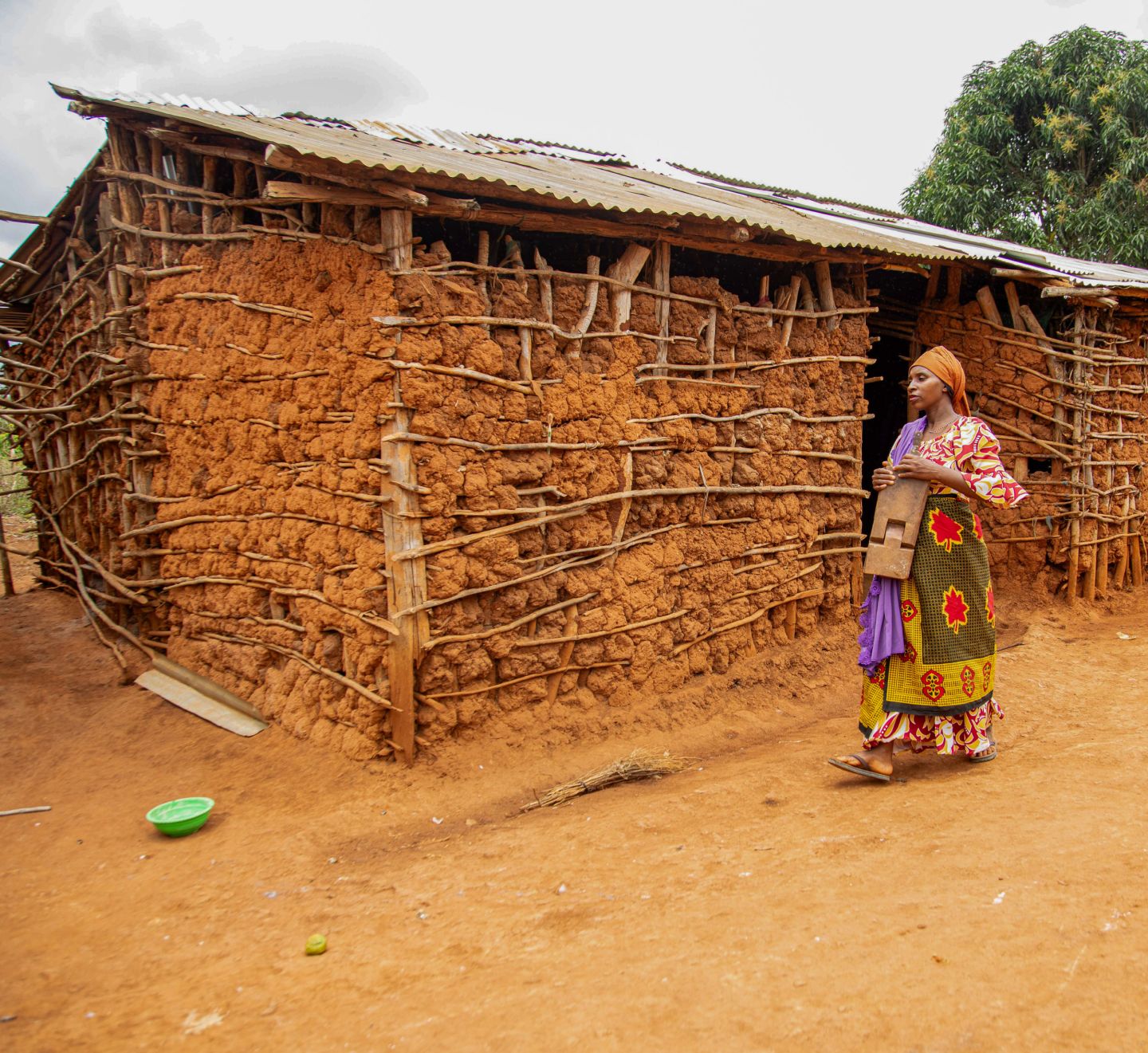

Family Planning Promotes Women’s Empowerment
Reproductive autonomy is fundamental to gender equality. When women have the power to make decisions about their reproductive lives, they gain greater control over education, employment, finances, and personal aspirations. Family planning supports women’s ability to:
- Participate in public life
- Pursue careers and entrepreneurship
- Achieve financial independence
- Exercise their rights and agency
Expanding access to contraception is therefore both a health intervention and an empowerment intervention.
Family Planning Improves
Child Health
The benefits of family planning extend to children as well. Children tend to experience better health outcomes when pregnancies are planned and appropriately spaced. Healthy birth spacing is associated with:
- Lower rates of premature birth
- Reduced infant mortality
- Improved child nutrition
- Better developmental outcomes
Family planning helps parents provide the time, resources, and care children need to thrive.
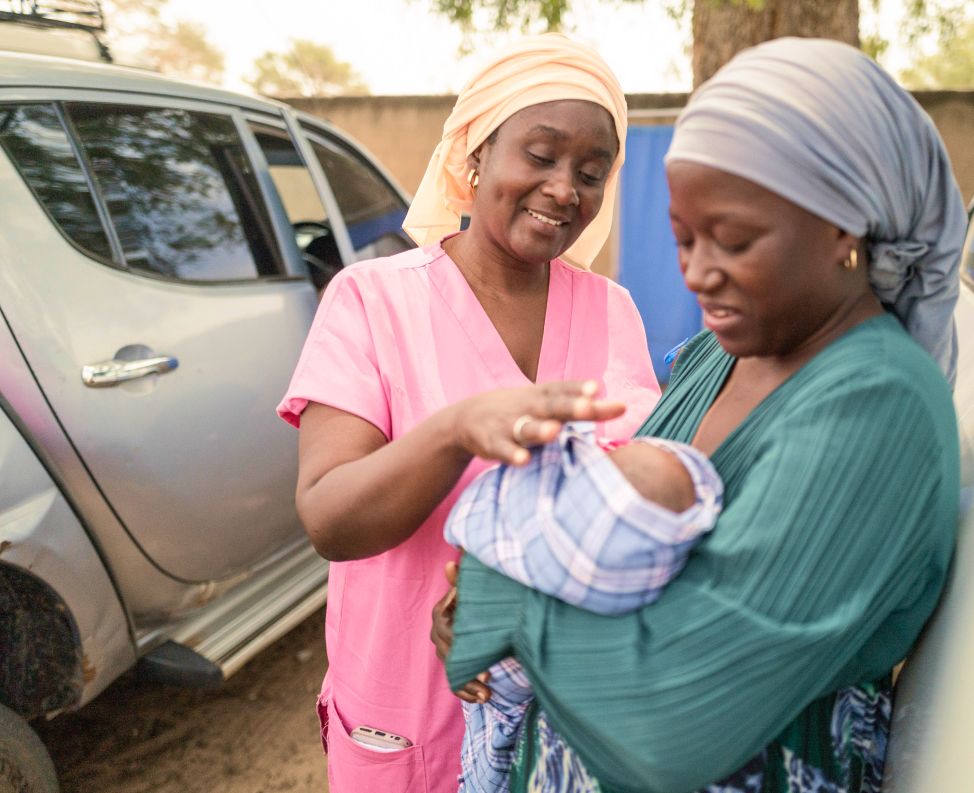
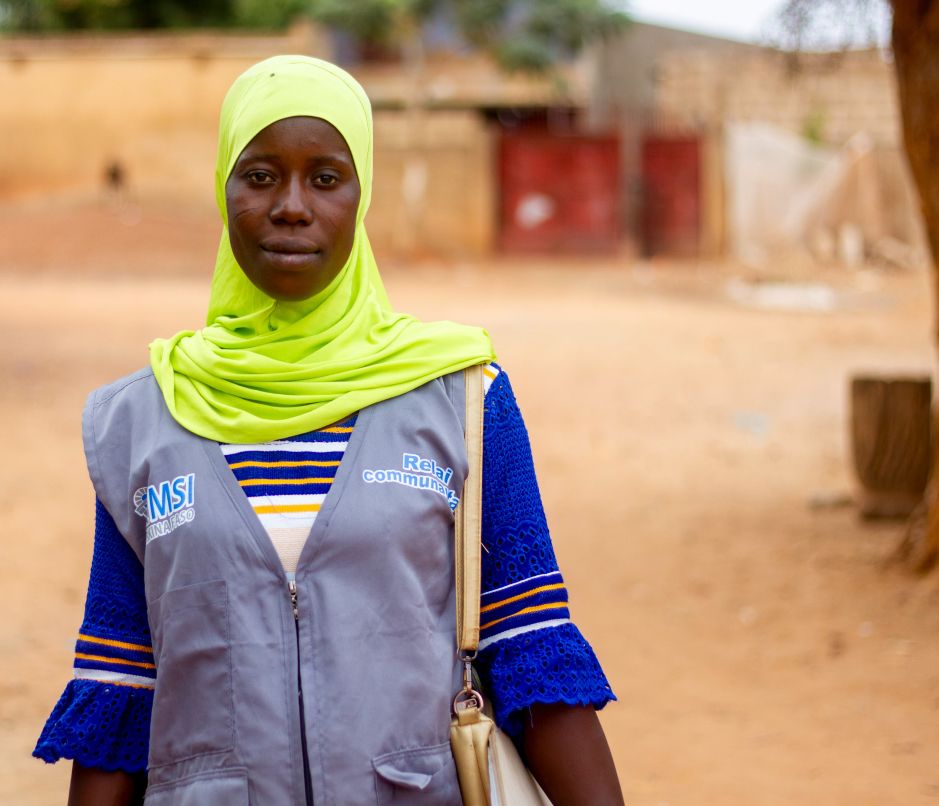
Family Planning in Humanitarian and Crisis Settings
Conflict, displacement, and natural disasters often disrupt access to healthcare just when people need it most. Women living through humanitarian crises continue to need contraception, reproductive healthcare, and safe abortion services. Family planning services in crisis settings help:
- Prevent unintended pregnancies
- Reduce maternal health risks
- Support survivors of sexual violence
- Protect reproductive rights during emergencies
Reproductive healthcare remains essential healthcare, even during crises.
Family Planning and
Climate Resilience
Climate change disproportionately affects women and girls, particularly in communities already facing poverty and limited healthcare access. Family planning is increasingly recognized as part of broader climate resilience efforts because it helps families adapt to changing economic and environmental conditions. Family planning is not a climate solution on its own, but it contributes to stronger, more resilient communities.
When women have greater reproductive choice, communities are often better positioned to:
- Invest in education
- Improve household resilience
- Respond to environmental shocks
- Plan for future challenges
Is Family Planning
Cost-Effective?
Yes. Global health experts consistently identify voluntary family planning among the most cost-effective health and development investments available. Every investment in contraception can generate benefits through:
- Reduced healthcare costs
- Lower maternal and newborn care expenditures
- Increased productivity
- Improved educational outcomes
- Greater economic participation
Because family planning creates benefits across multiple sectors simultaneously, its impact extends far beyond healthcare alone.
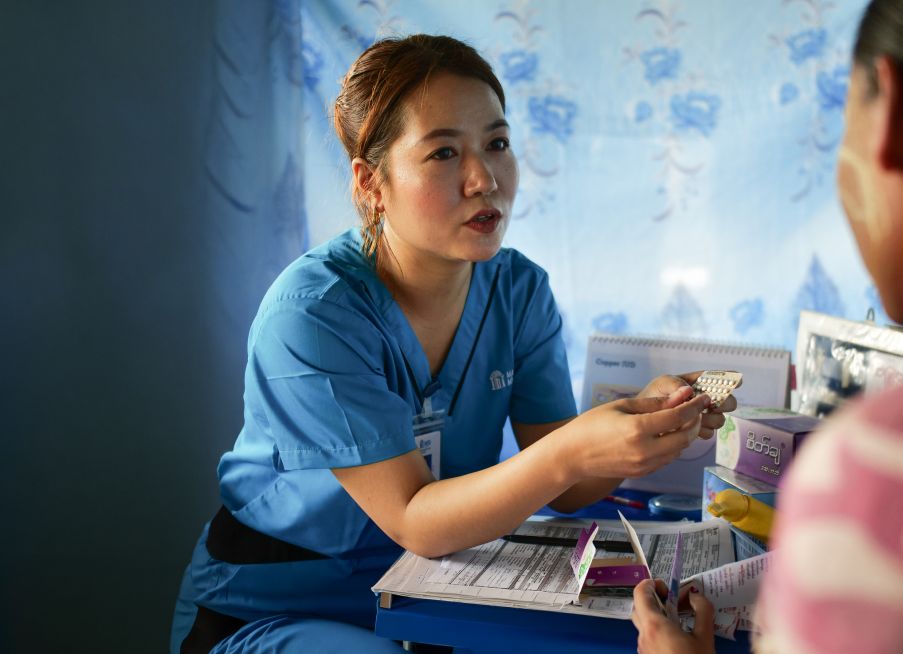
Why Access Matters
Most people who seek contraception simply want the ability to make informed decisions about their own lives and futures. Yet barriers remain:






Removing these barriers allows individuals to exercise the same freedom many others already enjoy: deciding whether and when to have children.
How MSI Reproductive Choices Helps
MSI Reproductive Choices works across dozens of countries to ensure people can access high-quality, voluntary reproductive healthcare. Through clinics, mobile outreach teams, tele-health services, social marketing, and partnerships with public health systems, MSI helps millions of people access contraception and safe abortion services every year.
MSI’s approach focuses on:
- Respectful care that centers on client choice
- Evidence-based programming
- Affordability and accessibility
- Reaching underserved communities
- Disciplined measuring of impact and outcomes
“I have chosen to invest in MSI for over a decade because their work creates immediate, tangible change for women and girls who need it most. Their data driven approach makes it clear how my investment translates into real world impact. Watching how rigorously they track outcomes and continuously refine their programs gives me confidence that my support isn’t just funding services – it’s opening doors to futures filled with autonomy, dignity, and opportunity. That’s the kind of change I want to champion.”
Jocelyn B., San Francisco, CA MSI Donor

That is
why family planning matters.