Reaching indigenous communities in Bolivia
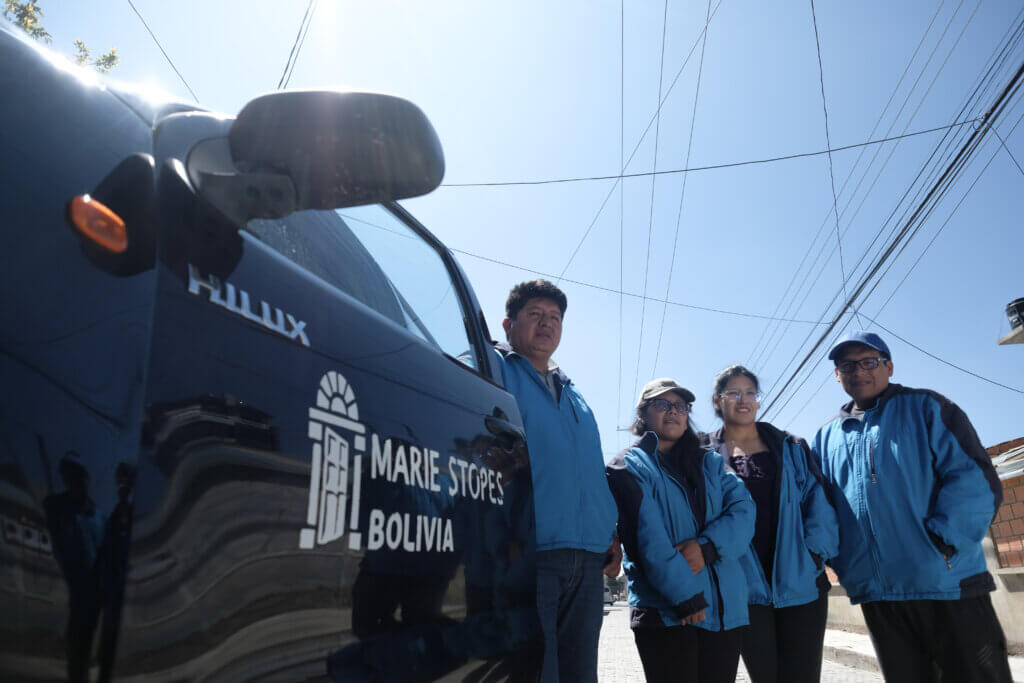
The sun is rising over the Amazonian rainforest as an MSI Bolivia outreach team packs a car full of contraceptive implants, IUDs, and other supplies and hits the road.
They’re headed for an indigenous community far removed: in fact, they have very little contact with the outside world. It is very difficult to reach out to these communities without their chief’s permission, but local leaders have contacted MSI specifically. They’ve seen high numbers of early pregnancies in their community, and are open to hearing more about how MSI can help.
MSI Bolivia’s outreach teams specialize in reaching rural communities with little other access to sexual and reproductive healthcare, particularly the long-acting and permanent methods that allow women to plan their futures long-term.
Indigenous communities seek choice
In Bolivia, there are 36 recognized indigenous nations. While many have integrated into periurban and urban areas, some are quite isolated. They speak their own languages and interact little with mainstream society.
A couple of years ago, the community of Tsimanes reached out to MSI Bolivia, asking for a team to come visit. Their chief contacted MSI because the need was urgent—unintended pregnancies were making it harder for the community to thrive. One fifteen-year-old girl was expecting her third child, and others had dealt with the health complications that come from frequent, closely-spaced pregnancies.
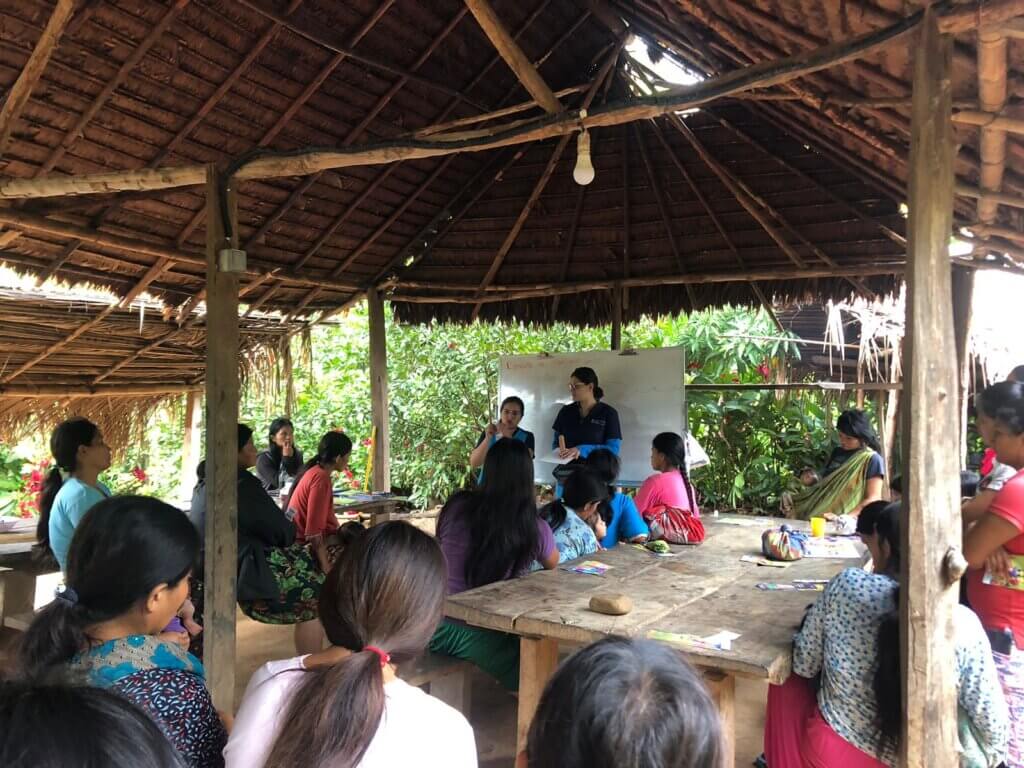
When visiting communities that have had little contact with the outside world, the outreach team makes several trips, slowly explaining the services offered and building trust with the community. Recently, MSI Bolivia visited the Esse Ejja indigenous community. At first, two members of the education team paid a visit to talk to community leaders and describe what MSI does. Then, they hosted education sessions just for women in the community, covering topics like contraception and menstrual health. Finally, an outreach team set up in the village to offer services like long-acting contraceptive methods and cervical cancer screenings.
Dozens of indigenous languages are spoken across Bolivia, and for many – including the Ese Ejja people’s language – translators are not readily available. MSI’s outreach and education team worked with community leaders to build trust and to make sure women understood the presented information and could make informed decisions.
How MSI Bolivia expands choice
For Ana Cecilia Velasquez Rossi, country director for MSI Bolivia, sexual and reproductive healthcare is personal. She shares:
“My journey into sexual and reproductive health began unexpectedly. While working on a conservation project in a rural community, I was invited to a high school graduation—and I noticed something striking: there were no girls graduating. When I asked why, the answer hit me hard—”they all got pregnant.”
That moment opened my eyes to what lack of access to sexual and reproductive healthcare truly means for girls and women in my country.”
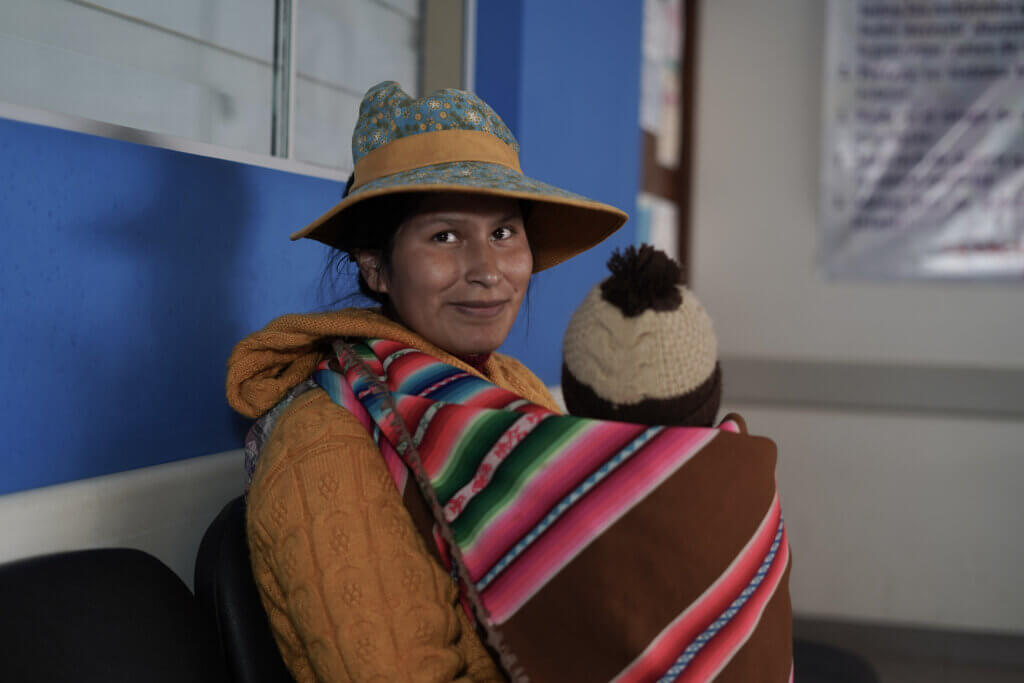
For women and girls in indigenous communities like the Ese Ejja, sexual and reproductive healthcare is life-changing. It empowers them to make informed decisions about their bodies, health, and futures—fundamental rights too often denied. Making the trip to far-flung communities isn’t always easy in a country like Bolivia, where mountains and forests separate remote rural regions. But the trip is worth it so that everyone has the chance at a healthier, more secure future.