


Three counselors share their advice for women
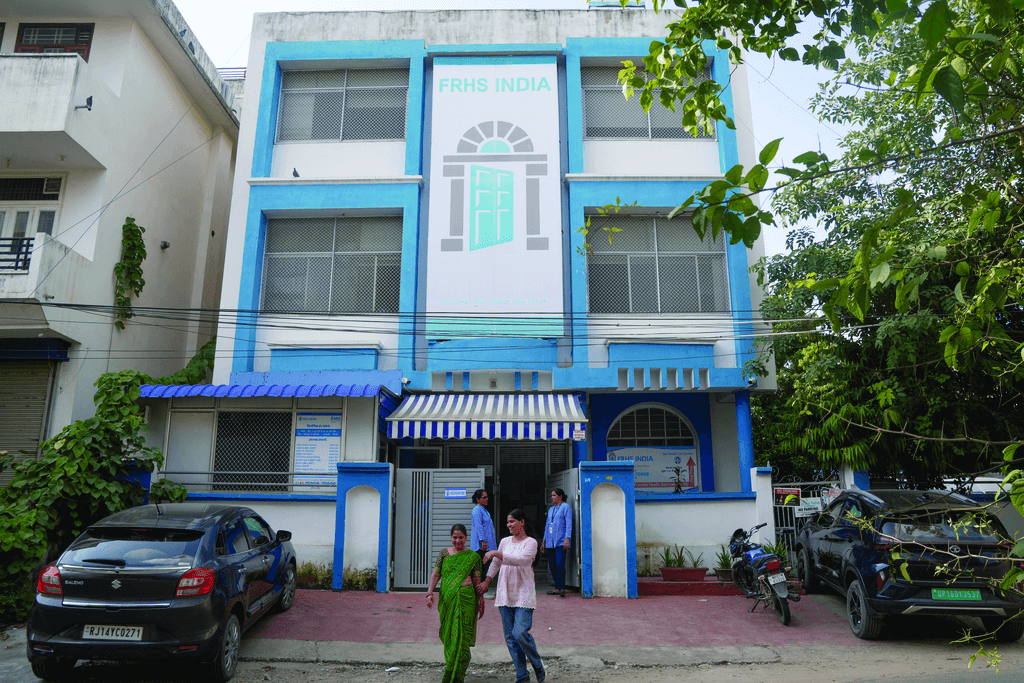
In the bustling city of Jaipur, in northern India, the MSI center is always busy. And when women walk through the doors, the first people they speak to are often the counselors.
These experienced women are practiced at answering questions from women who are making some of life’s most personal decisions. What kind of contraception is best for me right now? How can I prevent pregnancy for another year, or five, or even ten? What are my options if I want to end a pregnancy?
We spoke to three counselors about their experiences—and the changes they’ve seen over more than a decade of advising women and girls.
Farzana
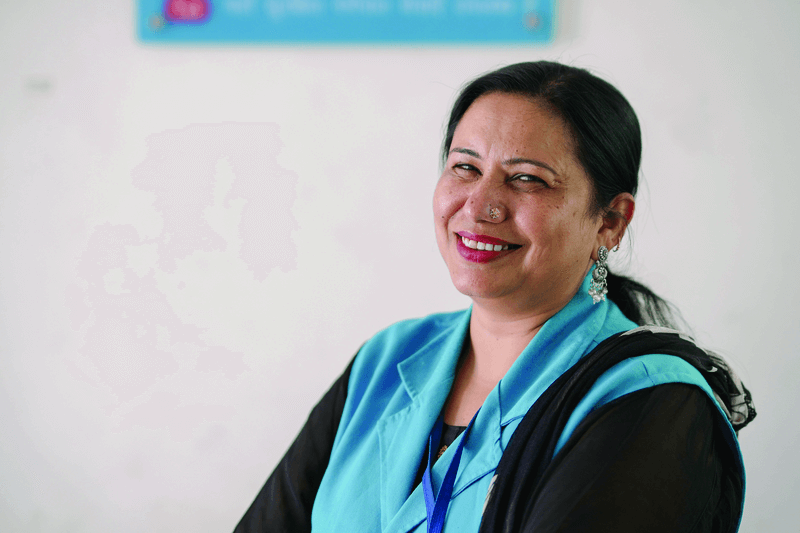
“Clients come here because they trust us, they come because they trust me,” Farzana explains with pride. She’s worked as a counselor for MSI for 13 years, and in that time has helped hundreds of women make decisions about their reproductive healthcare. “When my clients leave happy from the clinic, it makes me feel satisfied.”
“To talk to women in the area where I live, which is a Muslim area, is difficult. Since I am Muslim myself, they are more tough on me. I could not go to them during work hours door-to-door, but then I thought ‘Why should I do this only during work hours? I can also do it beyond work!’ The objective is to educate people about family planning, one way or another.”
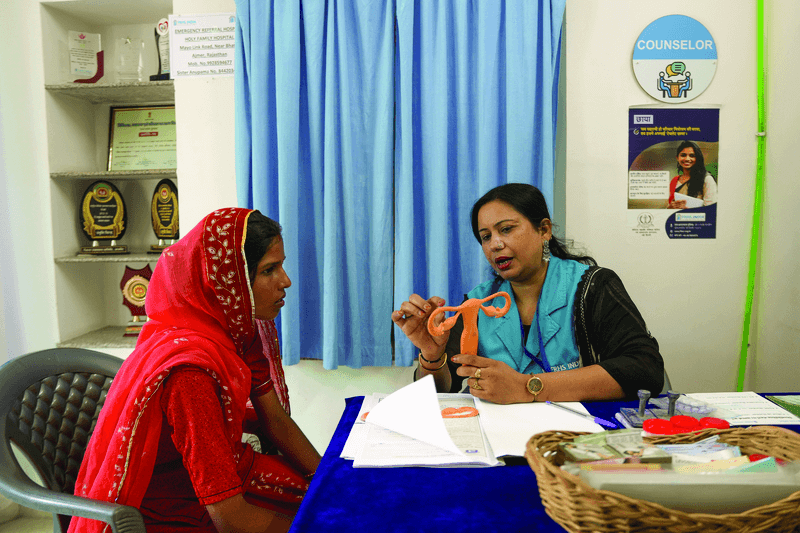
“Then I got an idea. People invite me to wedding functions, two-to-four-day long women’s singing events. I would go there and talk to women, introducing myself first then gradually telling them about my work. I told them about family planning methods and that we have professional doctors and facilities. I would reassure them that I would take care of them, and that they could trust me.”
For Farzana, sharing this information isn’t just a job—it’s personal. “When I was not working in this field, I had no idea about family planning methods. I was so distressed because I had difficulty making spaces between my pregnancies and couldn’t access information about contraceptives. When I did have that information, I was so happy that I could now share it with everyone!”
Jasmina
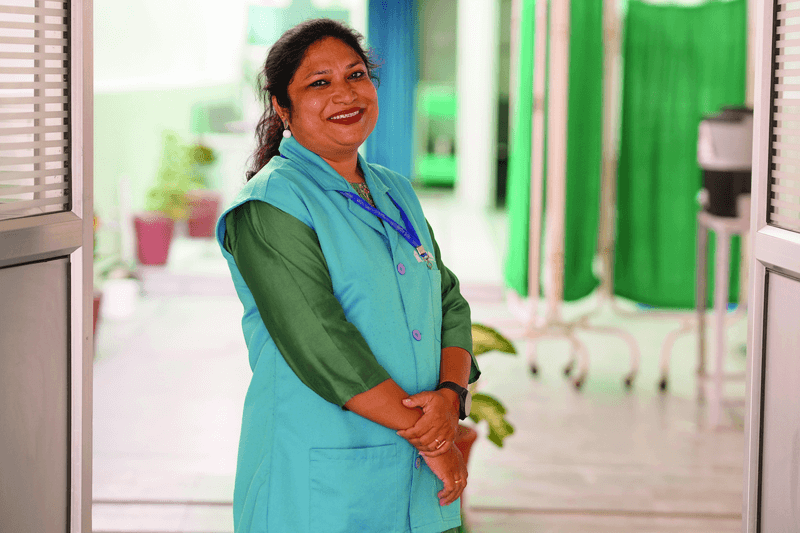
“Helping women avoid unwanted pregnancies is good for their health and lives. Too many pregnancies can harm a woman physically,” Jasmina tells us. She too has worked with MSI for 13 years, first as a community mobilizer and now at the clinic. She’s particularly passionate about making sure women can access safe abortion care.
“When we didn’t have abortion services, it was different. But now we do, when I counsel women, they feel relieved that they can get safe services at a low cost. I believe the choice of abortion should be with the woman herself.”
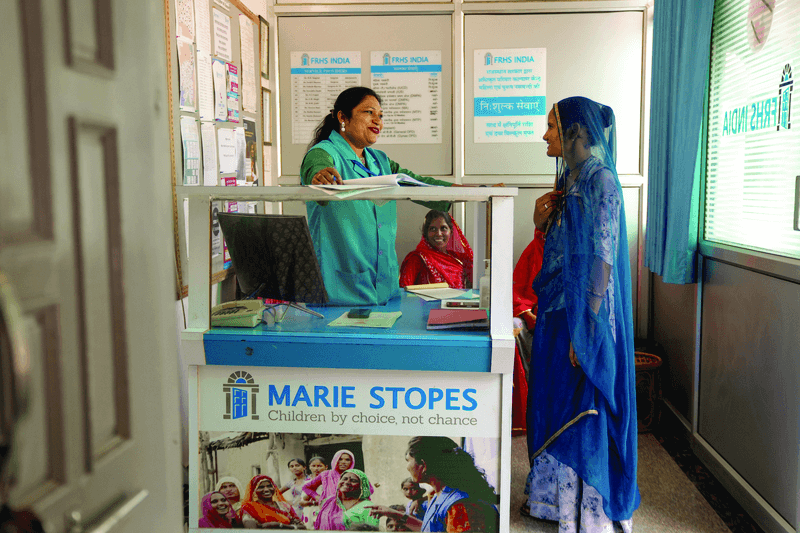
“Even though abortion is legal in India, many women hesitate because they don’t know about the clinics, they fear it is illegal, they worry about costs, or that doctors will scold them for not using contraception.”
Jasmina has seen firsthand how access to contraception and safe, legal abortion gives women in her community more opportunities to plan for the future. “My 19-year-old friend didn’t want children for 3 years. I arranged an IUD appointment for her. She later conceived after completing her education and getting a job. She and her husband are very happy now.”
Rekha
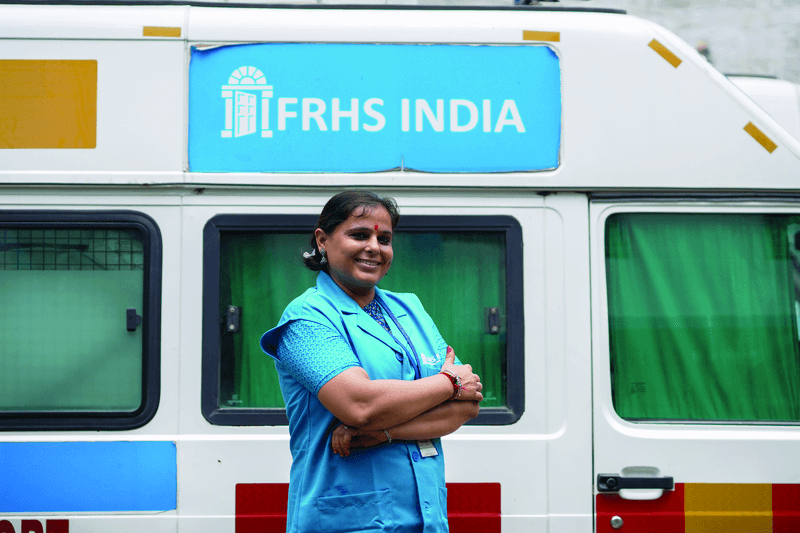
“I like to stay happy. I try to make others happy too, especially my clients who come with a lot of fear,” Rekha tells us brightly. “They feel happy after counseling, that makes me feel good.” She’s been a counselor at MSI for a decade, and she’s become an expert at putting women at ease.
“If family planning methods reach all women, they can have gaps between their children. Some women don’t want children, so they also need reproductive services.”
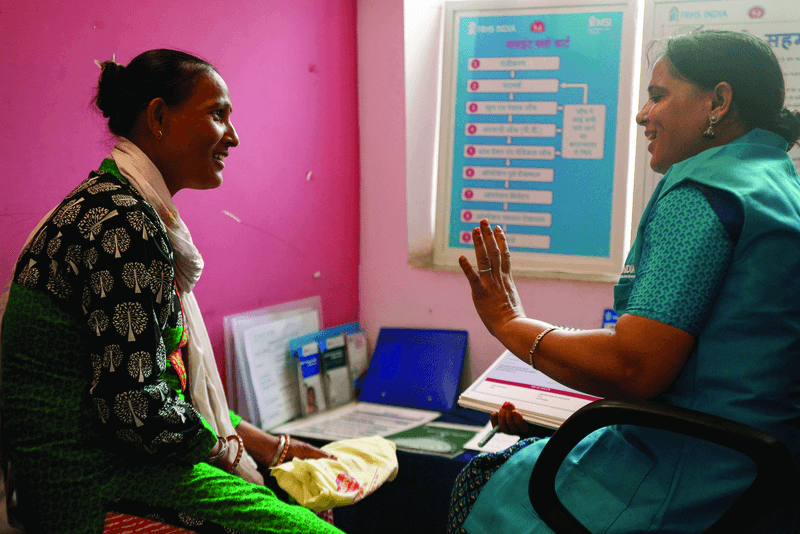
One of the biggest challenges Rekha encounters when women need safe abortion care is family members who don’t approve. Rekha is willing to talk to husbands, mothers-in-law, and anyone else who might try to prevent a woman from getting reproductive healthcare when she needs it.
“There was a woman, she already had four kids. She came to me for an abortion. Her husband and mother-in-law did not approve. She began to cry so I said I would speak to them.”
I spoke to them and explained the procedures, and the mother-in-law agreed. I told the husband if you don’t want more children then you may get a vasectomy—otherwise, she could get pregnant again. He agreed, then they got the abortion and operation together. They thanked me before they left.”
Being part of the community, understanding local customs and building trust with the women they serve is a big part of what makes MSI providers so successful. More than 4 million people in India are using contraception accessed through MSI, preventing 1.6 million unintended pregnancies last year.